Traditional Fertility Remedies: What Works and What’s Harmful
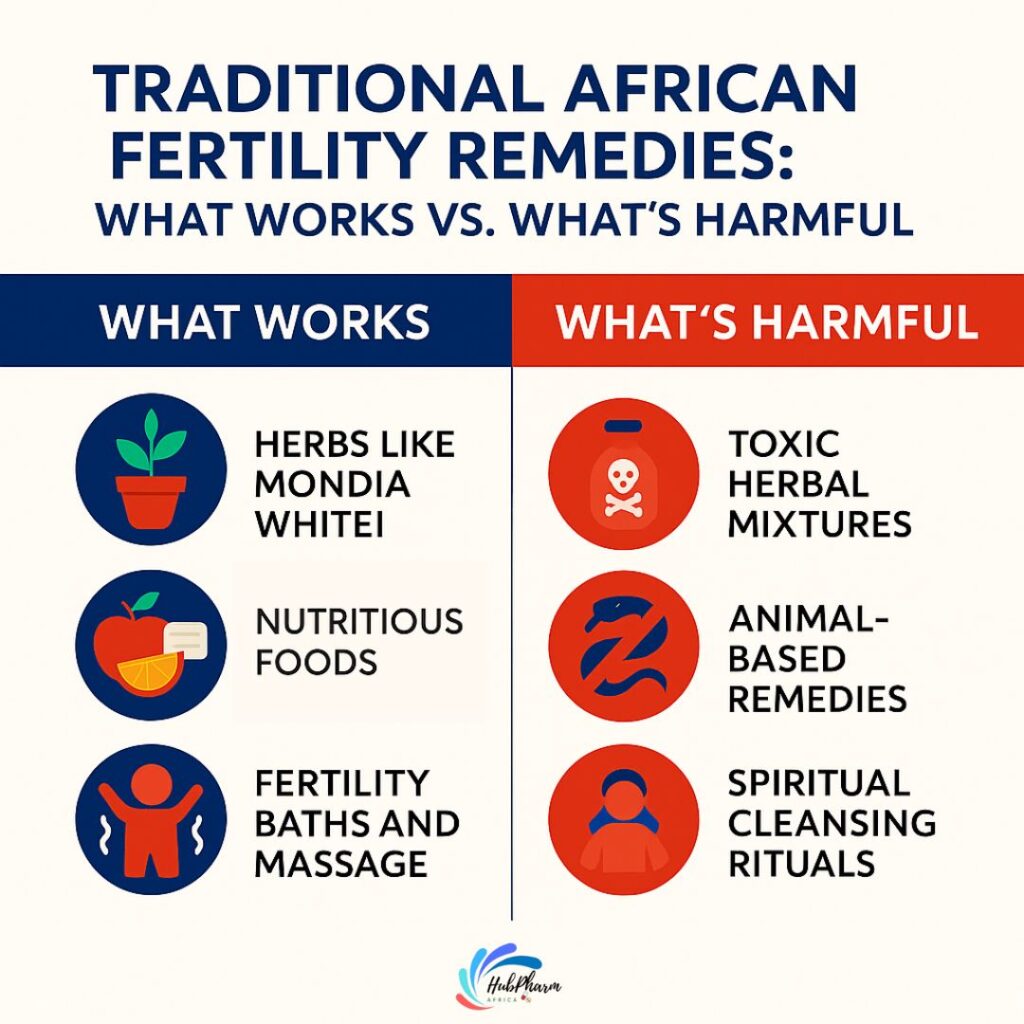
Fertility has always been a central concern in African societies, where cultural beliefs, traditions, and herbal practices often intersect with modern medicine. For generations, men and women have turned to traditional African fertility remedies—ranging from herbs, roots, and rituals to spiritual practices—in the hope of boosting reproductive health. But while some of these remedies may offer real benefits, others can be ineffective or even harmful.
In this article, we will explore traditional African fertility remedies, separating fact from myth, and highlighting safe, evidence-based practices.
Understanding Fertility in the African Context
In African culture, fertility is deeply connected to identity, family legacy, and social acceptance. Couples struggling with conception often feel pressured to seek help, leading them toward traditional healers or herbalists.
According to the World Health Organization (WHO), up to 80% of Africans rely on traditional medicine for primary healthcare, including reproductive health. However, without proper regulation, many remedies are used without scientific validation, raising questions about their safety and effectiveness.
Learn more about fertility health at HubPharm Africa, where we provide modern, affordable, and patient-centered pharmacy care.
Common Traditional African Fertility Remedies
1. Herbal Concoctions
Herbs such as Mondia whitei (White’s ginger), Fadogia agrestis, and Hibiscus species are commonly prescribed to boost libido, improve sperm quality, or regulate menstrual cycles.
✅ Possible Benefits: Some herbs contain antioxidants, phytoestrogens, and compounds that may support hormonal balance.
⚠️ Risks: Lack of dosage control, potential toxicity to the liver or kidneys, and dangerous interactions with prescribed fertility medications.
2. Spiritual Cleansing Rituals
Many African cultures use rituals such as bathing in herbal mixtures, wearing charms, or visiting sacred shrines to “cleanse” the body of infertility.
✅ Possible Benefits: Provides emotional and psychological comfort.
⚠️ Risks: No scientific evidence; may delay couples from seeking real medical help.
3. Animal-based Remedies
In some regions, animal parts (e.g., ground shells, snake bile, or goat organs) are mixed into concoctions for fertility.
⚠️ Risks: These practices are often harmful, unsanitary, and may transmit infections.
4. Dietary and Lifestyle Practices
Some traditional beliefs encourage the consumption of nutrient-rich local foods such as yams, millet, tiger nuts, and baobab fruit to enhance fertility.
✅ Benefits: Nutrient-dense foods improve general reproductive health and may naturally support conception.
What Actually Works?
While traditional remedies have cultural value, modern science offers clarity. Evidence shows that:
- Balanced nutrition, regular exercise, and stress management directly support fertility.
- Medical evaluations help detect underlying conditions such as PCOS, fibroids, or low sperm count.
- Lifestyle changes—avoiding smoking, excessive alcohol, and untreated infections—can significantly improve reproductive health.
For couples experiencing fertility issues, integrating evidence-based medicine with cultural sensitivity is the safest approach.
What’s Harmful?
While some herbs may support wellness, unregulated remedies can be dangerous:
- Toxic herbal mixtures may damage the liver or kidneys.
- Animal-based concoctions pose infection risks.
- Spiritual rituals may delay access to proven medical interventions.
- Unverified herbal fertility boosters sold online may contain harmful substances, heavy metals, or steroids.
Striking a Balance: Tradition Meets Science
Traditional medicine remains an important part of African heritage. However, modern fertility care provides a safer, more reliable path for couples. By combining the wisdom of cultural practices with evidence-based treatments, families can find holistic solutions that respect tradition while safeguarding health.
At HubPharm Africa, we support couples with affordable fertility counseling, access to safe medications, and personalized care. Our mission is to improve health outcomes through technology-driven pharmacy services.
Conclusion
Traditional African fertility remedies reflect the continent’s rich cultural heritage. While some natural foods and herbs may support reproductive wellness, others are harmful and risky. The safest path is to embrace modern medical care while respecting cultural practices.
If you or your partner are experiencing fertility challenges, consult a licensed healthcare provider, avoid unverified remedies, and consider working with trusted digital pharmacies like HubPharm Africa to access safe, affordable, and holistic health solutions.