Weight Management: Treatment and Medicines
Managing weight is about more than appearance. A healthy approach to weight management considers nutrition, physical activity, sleep, stress, medical conditions and other factors that can affect a person’s health.
For some people, lifestyle changes may be enough. Others may need support from healthcare professionals, particularly when overweight or obesity is associated with conditions such as type 2 diabetes, high blood pressure or other metabolic problems.
What Is Weight Management?
Weight management refers to the long-term process of maintaining a weight that supports good health.
It does not necessarily mean trying to reach a particular body shape or achieving rapid weight loss. Instead, the focus should be on sustainable habits and addressing factors that may be affecting a person’s weight.
Healthy eating, regular physical activity, adequate sleep and stress management can all contribute to healthy weight management.
What Can Affect Your Weight?
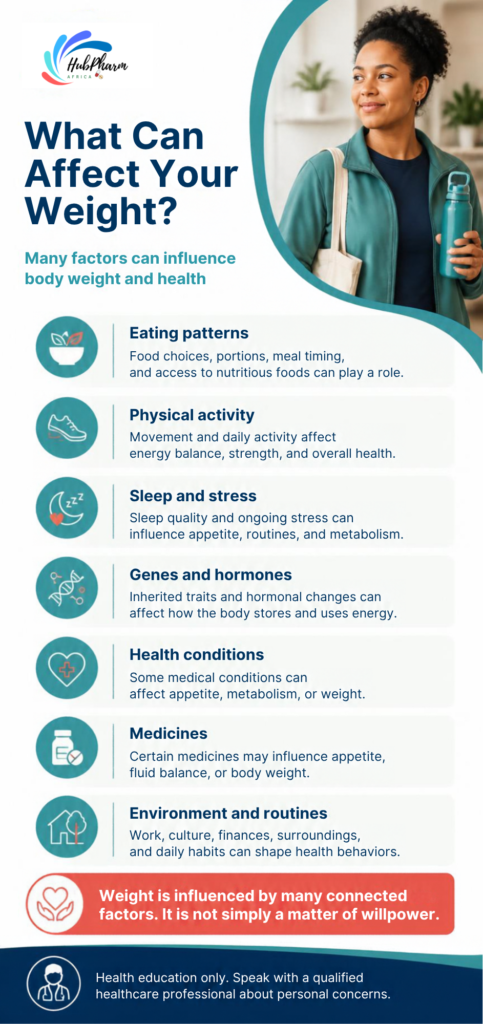
Weight is influenced by many factors. These can include:
- Eating patterns
- Physical activity
- Sleep
- Stress
- Genetics
- Hormones
- Certain medicines
- Medical conditions
- Age
- Environment and lifestyle
This means that weight management is not simply a matter of willpower. A person’s health circumstances and environment can also influence their weight.
Overweight and Obesity
Healthcare professionals may use body mass index (BMI) alongside other information to assess weight-related health risks.
For adults, a BMI of 25 or above is generally classified as overweight, while a BMI of 30 or above falls within the obesity range. However, BMI does not measure every aspect of health and should be interpreted in the context of the individual.
A healthcare professional may also consider waist circumference, existing medical conditions, family history and other risk factors.
Why Does Weight Management Matter?
Maintaining a healthy weight can support overall health.
Excess weight is associated with an increased risk of several health conditions, including:
- Type 2 diabetes
- High blood pressure
- Heart disease
- Stroke
- Sleep-related breathing problems
- Certain metabolic conditions
Even modest weight loss can improve some health markers in people who are overweight or have obesity.
The goal, however, should be health rather than simply becoming thinner.
Healthy Eating for Weight Management
A sustainable eating pattern is more useful than extreme diets.
A healthy eating pattern can include a variety of:
- Vegetables and fruits
- Whole grains
- Protein-rich foods
- Beans and other legumes
- Nuts and seeds
- Healthy fats
- Nutrient-rich foods appropriate to your individual needs
It can also help to reduce excessive intake of added sugars, highly processed foods and foods high in saturated fat.
There is no single diet that works for everyone. A realistic eating pattern that you can maintain over time is generally more useful than a short-term restrictive diet.
Physical Activity and Weight Management
Regular physical activity can support weight management and overall health.
Activity does not have to mean intense exercise. Walking, cycling, swimming, dancing, sports and other forms of movement can contribute to an active lifestyle.
The appropriate amount and type of activity depends on a person’s age, health and physical ability.
If you have a medical condition or have been inactive for a long time, speak with a healthcare professional about an appropriate activity plan.
Sleep and Stress Matter Too
Weight management is not only about food and exercise.
Poor sleep and chronic stress can affect eating patterns, energy levels and other factors associated with weight. Adequate sleep and stress-management strategies can therefore form part of a healthy weight-management plan.
Simple strategies may include maintaining a regular sleep schedule, taking breaks during stressful periods and making time for enjoyable activities.
When Lifestyle Changes Are Not Enough
Healthy eating and physical activity are important, but they do not always produce the desired results for everyone.
Some people have medical conditions, hormonal factors or other circumstances that make weight management more difficult.
In these situations, a healthcare professional may recommend additional support. Treatment can include structured lifestyle programmes, prescription medicines or, in selected cases, metabolic and bariatric surgery.
Medicines Used in Medical Weight Management
Prescription weight-management medicines work in different ways.
Some can influence appetite and feelings of fullness, while others affect how the body handles nutrients. Medicines should be selected based on an individual’s health, medical history, other medicines and potential risks.
Examples of medicines used by healthcare professionals for weight management include GLP-1 receptor agonists and other prescription treatments, as well as medicines that reduce the absorption of dietary fat.
Importantly, these medicines are not appropriate for everyone, and they do not replace healthy eating or physical activity. NIDDK notes that weight-management medicines work best when combined with a lifestyle programme.
Why Medical Supervision Matters
Weight-management medicines can have side effects and may interact with other medicines or medical conditions.
Before treatment is considered, a healthcare professional may review:
- Your medical history
- Current medicines
- Existing health conditions
- Weight-related health risks
- Previous weight-management attempts
- Possible benefits and risks of treatment
This assessment helps determine whether medical treatment is appropriate.
Weight Management at HubPharm
HubPharm’s Lifestyle Health service includes Weight Management among the conditions it supports.
The programme describes clinically supervised weight management for people dealing with obesity or metabolic conditions, including pharmacist-led monitoring and support. The HubPharm service page also identifies prescription weight-management treatments as part of its specialist offering.
Rather than treating weight management as simply a matter of appearance, HubPharm’s approach focuses on health, appropriate treatment and professional support.
If you’re concerned about your weight or have a health condition associated with your weight, speaking with a pharmacist or other qualified healthcare professional can help you understand the appropriate next step.
Who May Need Medical Weight-Management Support?
Medical treatment may be considered for some adults with overweight or obesity, particularly when weight is contributing to health problems.
For example, NIDDK notes that healthcare professionals may consider prescription weight-management medicines for adults with a BMI of 30 or greater, or a BMI of 27 or greater alongside weight-related health problems such as high blood pressure or type 2 diabetes.
These are general clinical criteria, not a recommendation that every person meeting them should take medication. The decision belongs with the individual’s healthcare professional.
How Long Does Weight Management Take?
Healthy weight management is a long-term process.
Rapid approaches may produce short-term changes but can be difficult to maintain. The CDC recommends focusing on sustainable eating patterns, physical activity, sleep and stress management.
If medication is prescribed, treatment may also need to continue for an extended period depending on how well it works and whether the person experiences significant side effects. Some people regain weight after stopping treatment.
When Should You Seek Professional Help?
Consider speaking with a healthcare professional if:
- You have been struggling to manage your weight despite sustained lifestyle changes.
- Your weight is affecting your health.
- You have type 2 diabetes or another metabolic condition.
- You have high blood pressure associated with your weight.
- You are considering prescription weight-management treatment.
- You are unsure whether a particular treatment is appropriate for you.
- You have experienced unexplained changes in your weight.
Professional support can help identify underlying factors and create a plan that is appropriate for your health.
Frequently Asked Questions
What is the best way to manage weight?
There is no single approach that works for everyone. Healthy eating, regular physical activity, adequate sleep and stress management form the foundation of healthy weight management. Some people may also benefit from professional medical treatment.
Can medication replace diet and exercise?
No. Weight-management medicines are generally used alongside lifestyle changes rather than as a replacement for them.
Can medical conditions make weight management difficult?
Yes. Medical conditions, hormones, genetics, medicines, stress and other factors can influence weight.
Are weight-management medicines suitable for everyone?
No. A healthcare professional needs to consider the individual’s health, other medicines, potential benefits and possible risks before treatment is chosen.
Can you regain weight after stopping medication?
Some people do regain weight after stopping weight-management medication. Maintaining healthy eating and physical activity habits can help support long-term weight management.
Does weight management only mean losing weight?
No. Weight management can include maintaining a healthy weight, preventing unhealthy weight gain and improving health-related factors associated with weight.
The Bottom Line
Healthy weight management is about improving health, not chasing a particular appearance.
A combination of nutritious eating, regular physical activity, adequate sleep and stress management can provide the foundation for long-term weight management. For people who need additional support, healthcare professionals may consider structured programmes, prescription medicines or other medical treatments.
If you’re struggling with your weight or have a condition associated with overweight or obesity, professional guidance can help you identify an approach that is appropriate for your individual health needs.
References
- Centers for Disease Control and Prevention (CDC). Steps for Losing Weight.
- CDC. Tips for Maintaining Healthy Weight.
- National Institute of Diabetes and Digestive and Kidney Diseases (NIDDK). Prescription Medications to Treat Overweight & Obesity.
- NIDDK. Treatment for Overweight & Obesity.
- NICE. A guide for prescribing medicines to manage overweight and obesity.
- CDC. Tips for Healthy Eating for a Healthy Weight.
Medical note: This article is for general health education and does not replace individual medical advice, diagnosis or treatment.