Hepatitis B in Nigeria: Symptoms, Treatment and Prevention
Hepatitis B is a viral infection that affects the liver. It can cause a short-term illness or a long-term infection that increases the risk of liver damage, cirrhosis and liver cancer.
In Nigeria, hepatitis B remains an important public health concern. Unfortunately, many people live with the infection for years without knowing it because symptoms may not appear until the liver has already been affected.
However, hepatitis B is preventable through vaccination, and effective treatment is available for people who need it. Early testing also helps people understand their health status and receive appropriate care.
Unlike hepatitis A, hepatitis B can become a chronic infection. Although current treatments do not usually eliminate the virus completely, they can control it and reduce the risk of serious complications.
This guide explains hepatitis B symptoms, causes, transmission, testing and treatment. It also covers the medicines used in hepatitis B care and how HubPharm Africa can support patients with health education and medicine-related questions.
What Is Hepatitis B?
Hepatitis B is an infection caused by the hepatitis B virus (HBV). The virus enters the body and infects liver cells, causing inflammation that can affect normal liver function.
The liver performs many essential tasks. It processes nutrients, helps remove harmful substances from the blood and produces proteins needed by the body. Therefore, ongoing liver inflammation can affect several aspects of health.
According to the World Health Organization (WHO), hepatitis B can cause both acute and chronic infection.
Acute hepatitis B
Acute hepatitis B refers to a recent infection. Many healthy adults clear the virus naturally, although some develop severe illness.
Chronic hepatitis B
Chronic hepatitis B occurs when the infection persists over time. It can cause ongoing liver inflammation and, in some people, progressive scarring.
Without appropriate monitoring and treatment when needed, chronic hepatitis B can lead to cirrhosis or liver cancer.
However, a diagnosis does not mean that these complications are inevitable. Regular medical reviews and appropriate treatment can reduce the risk.
How Is Hepatitis B Transmitted?
Hepatitis B spreads when infected blood or certain body fluids enter another person’s body. It can pass from mother to baby during childbirth, through sexual contact or through exposure to infected blood.
Understanding these routes helps people protect themselves and their families.
1. Mother-to-child transmission
A pregnant person with hepatitis B can pass the virus to their baby, particularly during childbirth.
Fortunately, healthcare teams can take steps to reduce this risk. Testing during pregnancy helps identify infection, while timely newborn vaccination and additional preventive measures when indicated offer important protection.
Pregnant people who test positive should discuss their results with their antenatal care team. A clinician can assess whether additional treatment is needed during pregnancy and arrange appropriate care for the newborn.
2. Contact with infected blood
Hepatitis B can spread when infected blood enters the body through broken skin or contaminated equipment.
This may occur through unsafe injections, inadequately sterilised medical or cosmetic equipment, or the sharing of needles.
For this reason, healthcare facilities and cosmetic service providers should follow appropriate infection-control procedures.
3. Sexual transmission
Hepatitis B can spread through sexual contact with an infected person. Vaccination is an important way to prevent infection.
If someone may have been exposed, they should seek professional advice about testing and whether preventive care is necessary.
4. Sharing personal items contaminated with blood
Razors and toothbrushes can sometimes carry traces of infected blood. Avoid sharing these items, particularly when they may come into contact with broken skin or the gums.
Can hepatitis B spread through casual contact?
No. Hepatitis B does not ordinarily spread through hugging, handshakes, sharing meals, coughing or sneezing.
People living with hepatitis B should not face stigma or social isolation because of their diagnosis. Instead, families and communities should focus on accurate information, vaccination, testing and access to appropriate care.
Hepatitis B Symptoms: What Should You Look For?
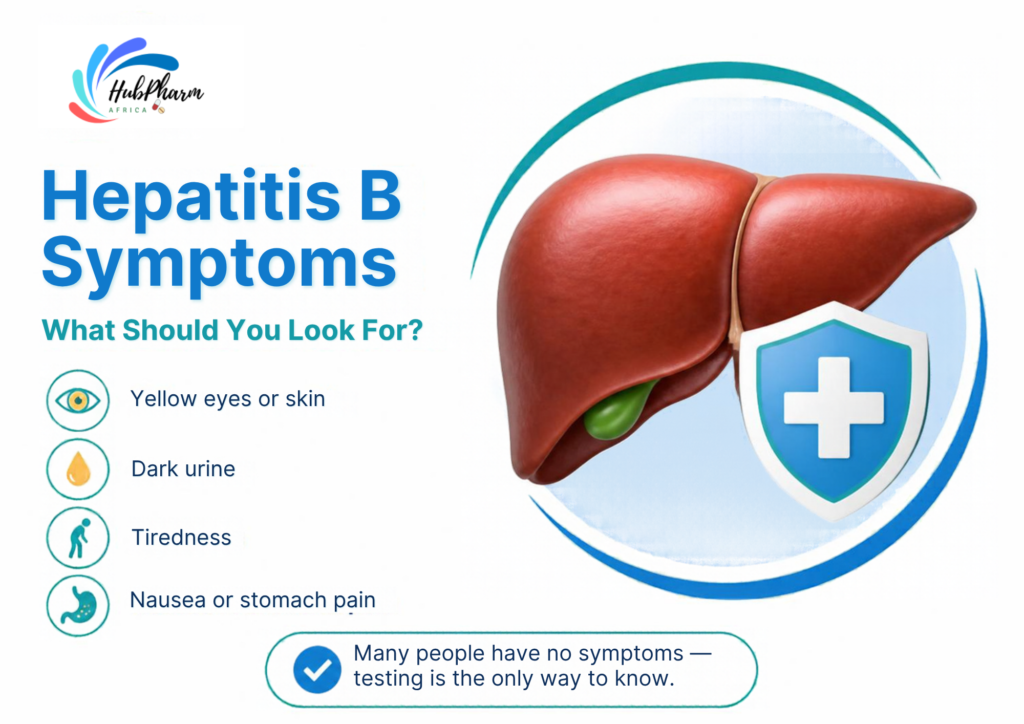
Many people with hepatitis B have no obvious symptoms, particularly during the early stages of infection. As a result, a person can have the virus without realising it.
When symptoms occur, they may include:
- Tiredness or unusual weakness.
- Fever.
- Loss of appetite.
- Nausea or vomiting.
- Abdominal discomfort, especially around the upper right side.
- Joint pain.
- Dark-coloured urine.
- Pale or clay-coloured stools.
- Yellowing of the skin or whites of the eyes, known as jaundice.
Symptoms may appear weeks after infection. However, their absence does not rule out hepatitis B.
Why can hepatitis B remain unnoticed?
The liver can continue performing many of its functions even when chronic inflammation is present. Therefore, someone may feel well while the virus remains in the body.
Over time, however, some people develop liver scarring or other complications. This is why testing matters even when a person feels healthy.
If you have had a possible exposure or a healthcare professional recommends screening, do not wait for symptoms before seeking advice.
When do hepatitis B symptoms require urgent care?
Seek urgent medical assessment if you develop jaundice with severe abdominal pain, persistent vomiting, marked weakness or a significant deterioration in your condition.
Confusion or unusual drowsiness in someone with possible liver disease requires emergency assessment.
Do not rely on symptoms alone to determine whether you have hepatitis B. Blood tests are needed to establish the diagnosis.
Acute vs Chronic Hepatitis B: Understanding the Difference
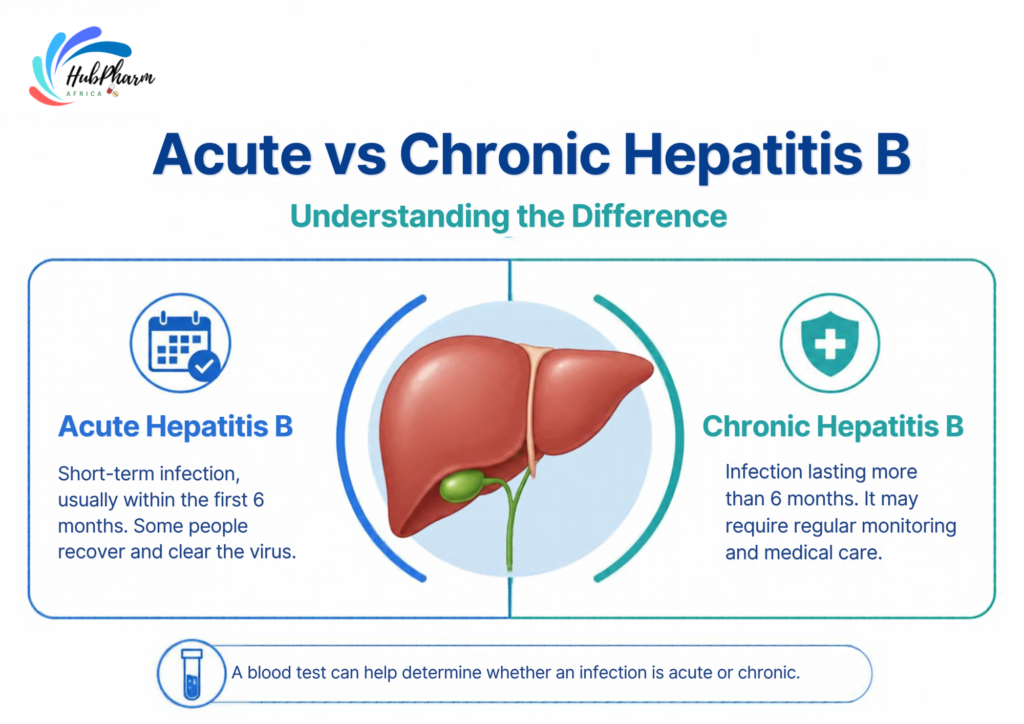
The distinction between acute and chronic hepatitis B affects treatment decisions and long-term care.
Acute hepatitis B
Acute hepatitis B occurs during the initial period after infection. Many adults recover fully and develop lasting immunity.
Care usually focuses on managing symptoms, maintaining hydration and monitoring for complications. Severe cases may require hospital treatment.
Chronic hepatitis B
Chronic hepatitis B occurs when the infection persists. The risk of developing chronic infection is much higher when infection occurs during infancy or early childhood than when it occurs in adulthood.
People with chronic hepatitis B need appropriate medical assessment. Some may benefit from antiviral treatment, while others may initially need monitoring without medication.
Important: Not everyone with chronic hepatitis B needs immediate treatment. However, everyone diagnosed with the infection should receive appropriate medical assessment and follow-up.
How Is Hepatitis B Diagnosed?
A blood test is the main way to detect hepatitis B. A healthcare professional may recommend screening because of symptoms, pregnancy, possible exposure, medical history or other risk factors.
1. Hepatitis B surface antigen test
The hepatitis B surface antigen test, commonly called HBsAg, is an important test for identifying a current infection.
A positive result requires appropriate interpretation and, where necessary, further tests. A single result does not always establish whether the infection is recent or chronic.
2. Other hepatitis B blood tests
Depending on the situation, a clinician may request additional tests, including:
- Anti-HBc: Antibodies against the hepatitis B core antigen, which help establish whether someone has been exposed to the virus.
- Anti-HBs: Antibodies against the hepatitis B surface antigen, which can indicate immunity from vaccination or recovery, depending on the other results.
- HBeAg and related markers: Tests that may help assess viral activity.
- HBV DNA: A test that measures the amount of hepatitis B virus genetic material in the blood.
Not everyone needs every test. The appropriate combination depends on the initial results and the person’s clinical circumstances.
3. Liver health assessment
If testing confirms hepatitis B, additional investigations may help assess liver inflammation and damage.
These may include liver enzyme tests, other blood investigations, ultrasound imaging or non-invasive tests that assess liver scarring.
The findings help clinicians estimate the risk of complications and decide whether treatment is appropriate.
The WHO’s hepatitis B treatment guidelines provide evidence-based recommendations on testing, treatment eligibility and long-term monitoring.
Why early diagnosis matters
Early diagnosis helps people understand their health status and access appropriate care. It also creates an opportunity to protect household members and other contacts through vaccination and other preventive measures.
Even if you feel well, ask a qualified healthcare professional about testing if you may have been exposed to hepatitis B.
Hepatitis B Treatment: What Are the Options?
Treatment depends on whether the infection is acute or chronic, how well the liver is functioning and whether the person meets the criteria for antiviral therapy.
Treatment for acute hepatitis B
There is no specific antiviral medicine routinely used for uncomplicated acute hepatitis B. Instead, care focuses on supporting recovery and monitoring for complications.
A healthcare professional may recommend appropriate fluids, nutrition, rest and a review of medicines that could affect the liver.
Severe illness may require hospital treatment.
Treatment for chronic hepatitis B
Chronic hepatitis B can be managed with antiviral medicines when treatment is indicated. These medicines suppress viral replication and reduce the risk of liver damage.
Tenofovir and entecavir are important antiviral medicines recommended for chronic hepatitis B in relevant clinical settings.
However, treatment decisions require a clinical assessment. Factors such as liver health, viral activity, kidney function, other medical conditions and pregnancy can influence the choice of treatment.
The WHO updated its hepatitis B guidance in 2024 to expand and simplify treatment eligibility in several settings. Therefore, a clinician should assess each patient’s circumstances against current recommendations rather than relying on symptoms alone.
Does hepatitis B treatment cure the infection?
Current standard antiviral treatment can control hepatitis B very effectively, but it does not usually eliminate the virus completely.
Some people need long-term treatment. Others may not need medicine immediately but still require regular monitoring.
Never stop or change prescribed hepatitis B treatment without consulting the treating clinician. Stopping treatment can allow the virus to become active again and may cause a serious flare of liver inflammation.
HubPharm Medicine Section: Medicines Used for Hepatitis B
HubPharm’s hepatitis care content includes information about medicines relevant to viral hepatitis prevention and treatment. The following medicines and preventive products are important in hepatitis B care.
Availability note: This section is educational and does not confirm current HubPharm stock. Medicine selection and treatment decisions must be made by a qualified healthcare professional.
1. Tenofovir
Tenofovir is an antiviral medicine used to manage chronic hepatitis B. It suppresses the virus and can reduce the risk of liver-related complications.
Kidney function and other medical factors may influence the clinician’s choice of treatment and monitoring plan.
2. Entecavir
Entecavir is another antiviral medicine used for chronic hepatitis B. It reduces viral replication and can help protect the liver from ongoing damage.
A clinician considers the person’s clinical circumstances and treatment history when determining whether it is appropriate.
3. Tenofovir alafenamide
Tenofovir alafenamide is an alternative formulation used in certain settings for chronic hepatitis B.
Its suitability depends on clinical factors, applicable treatment guidance and the person’s medical history. It is not automatically the best option for every patient.
4. Hepatitis B vaccine
The hepatitis B vaccine prevents infection. It is an important part of public health programmes, particularly for newborns and people who have not developed immunity.
Vaccination is preventive care, not a treatment for an established chronic infection.
5. Hepatitis B immunoglobulin
Hepatitis B immunoglobulin, also known as HBIG, provides temporary antibodies in certain exposure situations.
Healthcare professionals may recommend it alongside vaccination in specific circumstances, including certain newborn-exposure and post-exposure situations.
It does not replace routine hepatitis B vaccination.
Why medicine supervision matters
Not everyone with hepatitis B needs antiviral treatment immediately. Some medicines also require monitoring for side effects or other health concerns.
A qualified healthcare professional can interpret test results, determine whether treatment is indicated and establish a suitable follow-up plan.
Avoid unverified products that promise to cure hepatitis B. Herbal preparations and supplements should not replace evidence-based medical care.
Hepatitis B Prevention in Nigeria
Prevention combines vaccination, testing, safer healthcare practices and measures that reduce exposure to infected blood and body fluids.
1. Ensure timely vaccination
The WHO recommends that all babies receive a hepatitis B vaccine birth dose as soon as possible, ideally within 24 hours, followed by the remaining doses in the recommended schedule.
People who have not been vaccinated should ask a healthcare professional about vaccination based on their age, medical history and potential exposure.
2. Screen during pregnancy
Testing during pregnancy helps identify people who may pass the virus to their babies.
When a pregnant person tests positive, the healthcare team can assess whether antiviral treatment is indicated and arrange appropriate preventive care for the newborn.
3. Choose safe medical and cosmetic services
Choose healthcare and cosmetic services that follow appropriate sterilisation and infection-control procedures.
Needles and equipment that may be contaminated with blood should never be reused between people.
4. Avoid sharing personal items that may carry blood
Do not share razors, toothbrushes or needles. Keep cuts covered and follow appropriate hygiene practices when handling blood.
5. Seek advice after possible exposure
If you think you may have been exposed to hepatitis B, seek professional advice about testing and post-exposure prevention.
In certain situations, vaccination and hepatitis B immunoglobulin may be recommended. Because timing can matter, seek medical advice promptly.
6. Encourage testing and vaccination in families
Household members and sexual partners of someone with hepatitis B may benefit from testing and vaccination advice.
This approach helps identify people who need care while reducing the risk of further transmission.
For further information, see the WHO’s hepatitis B fact sheet.
Living Well With Chronic Hepatitis B
A diagnosis of chronic hepatitis B does not mean someone cannot live a full and productive life. With appropriate care, many people remain well for years.
The key is to understand the condition, attend follow-up appointments and follow the care plan agreed with the healthcare team.
Attend regular medical reviews
Follow-up appointments help clinicians monitor viral activity, liver health and changes that may require treatment.
The frequency of testing depends on the person’s condition and the clinician’s recommendations.
Protect your liver
Avoid alcohol, particularly if liver damage is present, and discuss medicines or supplements with a healthcare professional before using them.
A balanced diet and regular physical activity can support general health. However, lifestyle measures do not replace medical monitoring or antiviral treatment when needed.
Protect others without creating stigma
Tell relevant healthcare professionals about your diagnosis so they can provide appropriate care. Household members and sexual partners may benefit from testing and vaccination advice.
Remember that hepatitis B does not spread through ordinary social contact. People living with the virus deserve privacy, respect and access to healthcare without discrimination.
When Should You Seek Medical Care?
Arrange a medical assessment if you have symptoms suggestive of hepatitis B, a positive screening test or a possible exposure.
Seek urgent medical attention for jaundice with severe symptoms, persistent vomiting, confusion, unusual drowsiness or significant worsening of your condition.
If you are pregnant and have tested positive for hepatitis B, contact your antenatal care team promptly to discuss measures that can reduce transmission to your baby.
Early assessment helps identify people who need treatment and can prevent avoidable complications.
How HubPharm Africa Can Support You
HubPharm Africa focuses on improving access to reliable health information and patient-centred pharmacy support.
For people concerned about hepatitis B, HubPharm can complement clinical care through health education, medicine-related guidance and support with understanding when professional assessment is needed.
Prevention and health education
Understanding vaccination, testing and transmission helps people make informed decisions and protect their families.
Pharmacist support
HubPharm’s pharmacy team can help explain general information about prescribed medicines, potential precautions and the importance of following a clinician’s instructions.
Digital health information through Afiya
Afiya, HubPharm’s WhatsApp-based AI Health Companion, provides general health information and can help users recognise when professional support may be necessary. It does not replace diagnostic testing, a clinician’s assessment or emergency care.
Support with prescribed medicines
Subject to confirmed availability and appropriate clinical requirements, HubPharm can support patients with medicine-related questions and relevant pharmacy services.
Need help understanding a hepatitis B test or prescribed medicine? Contact HubPharm’s pharmacist team for guidance. If you have symptoms or a positive test, consult a qualified healthcare professional for diagnosis, treatment decisions and follow-up.
Frequently Asked Questions About Hepatitis B
1. What causes hepatitis B?
Hepatitis B is caused by the hepatitis B virus. It spreads through infected blood and certain body fluids, including transmission from mother to baby during childbirth.
2. What are the common symptoms of hepatitis B?
Symptoms may include fatigue, fever, nausea, abdominal discomfort, dark urine, pale stools and jaundice. However, many people have no noticeable symptoms.
3. Can hepatitis B be cured?
Acute hepatitis B often resolves naturally in adults. Chronic hepatitis B can usually be controlled with antiviral medicines when indicated, but current standard treatments do not usually eliminate the virus completely.
4. What medicines are used for hepatitis B?
Tenofovir and entecavir are important antiviral medicines used to manage chronic hepatitis B. The choice of treatment depends on clinical assessment and current guidelines.
5. Can a person have hepatitis B without symptoms?
Yes. Many people have no symptoms for years. Testing is therefore important when recommended or after a possible exposure.
6. Is the hepatitis B vaccine effective?
Yes. The vaccine is safe and effective at preventing hepatitis B infection. Timely vaccination of newborns is especially important.
7. Can hepatitis B cause liver cancer?
Chronic hepatitis B increases the risk of cirrhosis and liver cancer. Appropriate monitoring and antiviral treatment when indicated can reduce the risk of complications.
8. Can hepatitis B spread by sharing food?
No. Hepatitis B does not ordinarily spread through sharing meals, hugging, handshakes, coughing or sneezing. It spreads mainly through infected blood and certain body fluids.
9. Should everyone with chronic hepatitis B take antiviral medicine?
Not everyone needs immediate treatment. However, everyone diagnosed with chronic hepatitis B should receive appropriate medical assessment and ongoing monitoring.
10. What should I do if I test positive for hepatitis B?
Arrange a clinical assessment so a healthcare professional can interpret the result. Additional blood tests and an assessment of liver health may be necessary to determine the next steps.
11. Can someone with hepatitis B live a normal life?
Many people with hepatitis B live full lives. Regular medical care, appropriate treatment when needed and measures to protect liver health are important.
Conclusion
Hepatitis B can cause serious liver disease, but vaccination, testing and effective antiviral treatment can make a major difference.
Because the infection may remain silent for years, people should not wait for symptoms before seeking recommended testing. Anyone diagnosed with hepatitis B should receive appropriate medical assessment and follow-up, even when they feel well.
Tenofovir and entecavir are important medicines for managing chronic hepatitis B, but treatment decisions must be individualised. Vaccination remains central to preventing new infections.
HubPharm Africa supports patient education and pharmacist guidance to help people make informed decisions about prevention and prescribed medicines. If you are concerned about hepatitis B, seek appropriate testing and professional care.
Medical disclaimer
This article is for general educational purposes only. It does not replace a medical consultation, diagnostic testing or individual treatment advice. Hepatitis B diagnosis, antiviral treatment and monitoring should be managed by qualified healthcare professionals.
References
- World Health Organization (WHO). Hepatitis B.
- World Health Organization (WHO). Guidelines for the prevention, diagnosis, care and treatment for people with chronic hepatitis B infection.
- Nigeria National AIDS and STIs Control Programme (NASCP). National Guideline for the Prevention, Treatment and Care of Viral Hepatitis 2023.
- Nigeria National AIDS and STIs Control Programme (NASCP). Rapid Advice: Updates to the National Guidelines for the Prevention, Treatment, and Care of Viral Hepatitis in Nigeria 2024.
- World Health Organization (WHO). WHO publishes updated guidelines on hepatitis B.