Environmental Toxins That Could Be Affecting Your Fertility in Africa
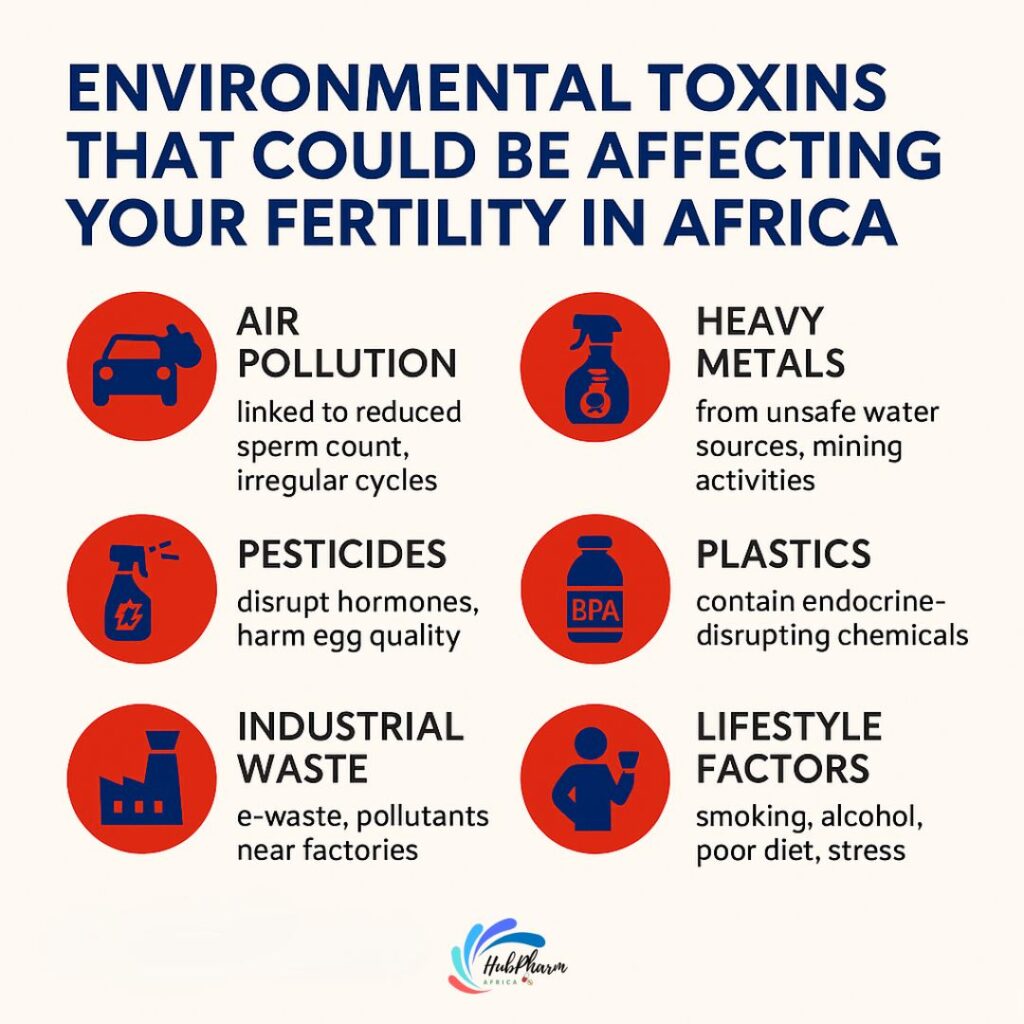
Fertility challenges are a growing concern across Africa, with millions of couples struggling to conceive. While medical conditions such as PCOS, endometriosis, and low sperm count are widely discussed, there is less focus on the hidden role of environmental toxins in reproductive health. Studies reveal that exposure to pollutants in air, food, water, and consumer products may be silently lowering fertility rates in African men and women.
At HubPharm Africa, our mission is to provide holistic healthcare solutions that improve wellness and reproductive outcomes. In this article, we’ll explore environmental toxins that may affect fertility and what you can do to protect yourself.
1. Air Pollution and Fertility Decline
Urban cities like Lagos, Nairobi, and Johannesburg face severe air pollution due to traffic, industrial emissions, and poor waste management. Prolonged exposure to fine particulate matter (PM2.5) has been linked to:
- Lower sperm count and motility in men
- Menstrual irregularities in women
- Higher risk of miscarriage
According to the World Health Organization (WHO), sub-Saharan Africa experiences some of the world’s worst air pollution levels, which may significantly contribute to reproductive health challenges.
2. Pesticides and Herbicides in Food
Agriculture is Africa’s backbone, but the excessive use of pesticides and herbicides can harm fertility. Chemicals such as glyphosate and organophosphates disrupt hormones, leading to:
- Reduced egg quality
- Hormonal imbalance
- Poor embryo implantation
Eating organic foods when possible, thoroughly washing fruits and vegetables, and supporting sustainable farming practices can reduce this risk.
3. Heavy Metals in Water and Soil
In many African communities, unsafe water sources expose families to lead, mercury, and cadmium, often from mining and industrial activities. These heavy metals are known endocrine disruptors, interfering with reproductive hormones.
- Lead exposure is linked to lower testosterone and reduced fertility in men.
- Mercury affects ovulation and menstrual cycles in women.
- Cadmium may impair sperm development.
Protect yourself by using water filtration systems and supporting government initiatives for clean water access in Africa.
4. Plastics and Everyday Household Chemicals
Many plastics and household products contain phthalates and bisphenol-A (BPA), which mimic estrogen in the body and disrupt fertility. Common sources include:
- Plastic bottles and food containers
- Cosmetics and skincare products
- Industrial cleaning agents
Switching to BPA-free bottles, glass containers, and natural skincare products can reduce exposure.
5. Industrial Waste and E-Waste Pollution
Africa imports large amounts of e-waste (discarded electronics) from other regions. Informal recycling often releases dioxins, flame retardants, and PCBs, which accumulate in the human body and affect fertility.
Communities near industrial sites or e-waste dumps are at greater risk of infertility, pregnancy complications, and birth defects. Supporting eco-friendly recycling initiatives and avoiding contaminated areas when possible can help.
6. Lifestyle Factors That Worsen Toxin Impact
While toxins are external, certain lifestyle factors amplify their effects:
- Smoking and alcohol increase toxin accumulation in the body.
- Poor nutrition reduces the body’s ability to detoxify.
- Chronic stress alters hormone balance and fertility.
Focusing on a balanced diet, regular exercise, and mental wellness can strengthen your reproductive system against toxin exposure.
Protecting Your Fertility in Africa
Environmental toxins are an unavoidable reality, but there are practical steps to reduce their impact:
- Eat more organic, local foods when available.
- Invest in clean water solutions for your household.
- Choose safer consumer products with fewer chemicals.
- Detox naturally with fruits, vegetables, and hydration.
- Seek professional fertility care early if you are planning pregnancy.
At HubPharm Africa, we provide trusted healthcare support, from fertility consultations to safe medication delivery. Together, we can tackle the hidden threats to fertility in Africa and create healthier families for the future.
Conclusion
Fertility challenges in Africa are not only a medical issue but also an environmental one. By becoming more aware of toxin exposure and making healthier lifestyle choices, couples can improve their chances of conceiving. Governments, communities, and healthcare providers must work hand-in-hand to address this silent crisis.
If you are concerned about your fertility, speak to a healthcare professional and explore safe, preventive strategies. Remember, a healthy environment supports healthy reproduction.


