Common Infertility Causes in Men and Women (and What to Do)

Common Infertility Causes in Men and Women (and What to Do)
Infertility affects millions of couples worldwide, and in Africa, the stigma surrounding it often adds to the emotional toll. While it’s commonly thought of as a women’s issue, infertility affects both men and women almost equally. Understanding the root causes of infertility and seeking timely help can make a significant difference.
In this article, we’ll explore:
- Common causes of infertility in both genders
- How lifestyle, health conditions, and environment affect fertility
- What you can do to improve your chances of conception
- Where to get support in Africa
What is Infertility?
According to the World Health Organization (WHO), infertility is defined as the failure to achieve pregnancy after 12 months or more of regular unprotected sexual intercourse. This condition affects about 1 in 6 couples globally and is on the rise due to lifestyle, environmental, and medical factors.
Common Causes of Infertility in Women
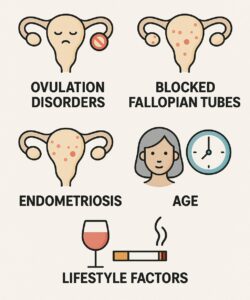
Infertility Causes in Women
1. Ovulation Disorders
Ovulation problems are the most common cause of female infertility. Conditions like Polycystic Ovary Syndrome (PCOS) and thyroid imbalances can disrupt normal ovulation.
Learn more about PCOS and fertility.
2. Blocked Fallopian Tubes
Fallopian tube damage or blockages often result from infections like pelvic inflammatory disease (PID), which is frequently caused by sexually transmitted infections (STIs).
3. Endometriosis
This is a painful condition where tissue similar to the lining of the uterus grows outside the womb. It can damage ovaries, fallopian tubes, and the uterus, affecting fertility.
4. Age
A woman’s fertility begins to decline significantly after age 35, with a marked drop in egg quality and quantity.
5. Lifestyle Factors
Smoking, alcohol consumption, poor diet, obesity, and chronic stress can negatively impact hormone levels and fertility.
Common Causes of Infertility in Men
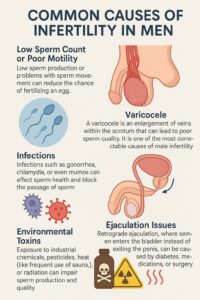
Common Infertility Causes In Men
1. Low Sperm Count or Poor Motility
Low sperm production or problems with sperm movement can reduce the chances of fertilizing an egg. This may result from genetic conditions, hormone imbalances, or testicular issues.
2. Varicocele
A varicocele is an enlargement of veins within the scrotum that can lead to poor sperm quality. It is one of the most correctable causes of male infertility.
3. Infections
Infections such as gonorrhea, chlamydia, or even mumps can affect sperm health and block the passage of sperm.
4. Ejaculation Issues
Retrograde ejaculation, where semen enters the bladder instead of exiting the penis, can be caused by diabetes, medications, or surgery.
5. Environmental Toxins
Exposure to industrial chemicals, pesticides, heat (like frequent use of saunas), or radiation can impair sperm production and quality.
Joint Factors and Unexplained Infertility
In some cases, both partners have contributing factors. In about 10–20% of cases, no specific cause is found—this is termed unexplained infertility.
What You Can Do to Improve Fertility
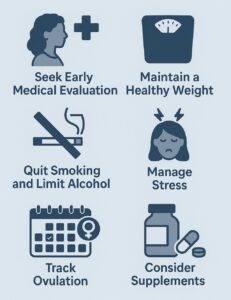
Tips to improve fertility
1. Seek Early Medical Evaluation
If you’ve been trying for over a year (or 6 months if the woman is over 35), consult a fertility specialist.
HubPharm Africa offers personalized fertility counseling and medication management for couples trying to conceive. Visit www.hubpharmafrica.com to speak with a certified health coach or pharmacist.
2. Maintain a Healthy Weight
Being overweight or underweight can disrupt hormone balance in both men and women. A balanced diet rich in fruits, vegetables, lean proteins, and whole grains supports reproductive health.
Check out our Wellness Coaching Programs to help you achieve your ideal body weight naturally.
3. Quit Smoking and Limit Alcohol
These substances negatively affect egg and sperm health. Men should also avoid excessive heat exposure around the groin area.
4. Manage Stress
Chronic stress can interfere with ovulation and reduce testosterone levels. Try mindfulness, yoga, or talk therapy.
Our HubPharm AI Health Companion supports mental wellbeing and lifestyle changes through personalized recommendations. (coming soon)
5. Track Ovulation
Use ovulation kits or apps to determine your most fertile days.
6. Consider Supplements
Nutrients like folic acid, zinc, CoQ10, and Vitamin D have been shown to support fertility in both genders.
When to Seek Fertility Treatment
Treatments vary depending on the underlying cause. Options include:
- Medications to induce ovulation (e.g., Clomid)
- Intrauterine Insemination (IUI)
- In Vitro Fertilization (IVF)
- Surgery for tubal blockages or varicocele
Learn more from the American Society for Reproductive Medicine.
Get Support and Care from HubPharm Africa
HubPharm Africa is a patient-centric digital pharmacy helping couples across Africa overcome fertility challenges. From fertility medication delivery to lifestyle coaching and mental health support, we’re here to guide you every step of the way.
✅ Talk to a fertility pharmacist
✅ Enroll in our fertility & wellness program
✅ Access lab tests and treatment plans
👉 Visit our website to get started or chat with a coach via WhatsApp.
Conclusion
Fertility challenges are more common than many realize—and they are often treatable. The earlier you identify the root cause, the better your chances of success. Whether you’re just starting your journey or have been trying for a while, help is available.
💙 You are not alone—and with support from experts like the team at HubPharm Africa, you’re one step closer to parenthood.


