Hepatitis C in Nigeria: Symptoms, Testing and Treatment
Hepatitis C is a viral infection that affects the liver. Many people have the infection for years without noticing symptoms. However, untreated hepatitis C can cause serious liver damage, cirrhosis and liver cancer.
The good news is that hepatitis C can usually be cured with modern antiviral treatment. According to the World Health Organization (WHO), direct-acting antiviral medicines can cure most people with the infection.
In Nigeria, greater awareness of hepatitis C testing and treatment can help people receive care before serious complications develop. Because symptoms may be absent, testing is particularly important for people who may have been exposed to the virus.
This guide explains hepatitis C symptoms, how the infection spreads, which tests confirm it, the available treatment approaches and how to protect your liver. It also includes a dedicated HubPharm medicine section and explains how HubPharm Africa can support patients with health education and pharmacy-related questions.
What Is Hepatitis C?
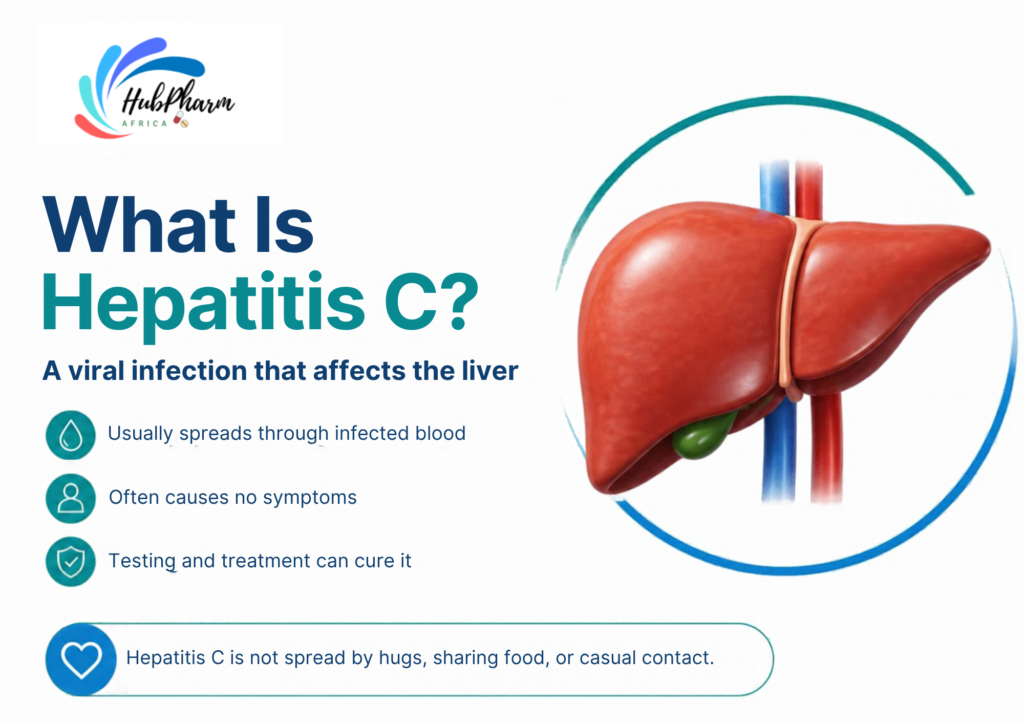
Hepatitis C is an infection caused by the hepatitis C virus (HCV). The virus affects the liver and can cause inflammation.
The infection may be acute or chronic.
- Acute hepatitis C: The early stage of infection, usually within the first six months after exposure.
- Chronic hepatitis C: An infection that persists beyond the initial period and can cause ongoing liver damage.
Some people clear the virus naturally after infection. However, many develop chronic hepatitis C without treatment.
Over time, chronic infection can lead to fibrosis, which is scarring of the liver. More advanced scarring is called cirrhosis. People with cirrhosis have a higher risk of liver failure and liver cancer.
Fortunately, early diagnosis and appropriate treatment can prevent many of these complications.
Is hepatitis C the same as hepatitis B?
No. Both infections affect the liver, but they behave differently.
Hepatitis B can often be controlled with long-term antiviral treatment, although current treatment does not usually eliminate the virus completely. In contrast, hepatitis C can usually be cured with a course of direct-acting antiviral treatment.
There is currently no approved vaccine to prevent hepatitis C. However, people can reduce their risk by avoiding exposure to infected blood and using appropriate infection-prevention measures.
How Is Hepatitis C Transmitted?
Hepatitis C spreads mainly through contact with infected blood. The virus enters the body when contaminated blood reaches another person’s bloodstream.
Common routes of transmission include the following.
1. Unsafe medical procedures
Transmission can occur when medical equipment is not properly sterilised or when needles and other equipment are reused.
Healthcare facilities should follow appropriate infection-prevention procedures to protect patients and staff.
2. Unsafely screened blood products
Blood transfusions can transmit hepatitis C if the donated blood has not been adequately screened. Modern blood-screening systems reduce this risk, but safe blood collection and testing remain essential.
People who received blood products before reliable screening became widely established may need to discuss testing with a healthcare professional.
3. Sharing equipment contaminated with blood
Sharing needles or other equipment that carries blood can transmit the virus. Inadequately sterilised tattooing or piercing equipment can also pose a risk.
Equipment that may come into contact with blood should be sterile and should never be reused between people without appropriate sterilisation.
4. Transmission from mother to baby
A pregnant person with hepatitis C can sometimes pass the virus to their baby. A healthcare professional can explain the appropriate testing and follow-up for the parent and child.
5. Other possible blood exposures
Blood entering broken skin or coming into contact with the eyes or other mucous membranes can create a potential exposure.
If this happens, seek professional medical advice about appropriate assessment and testing.
Can hepatitis C spread through casual contact?
Hepatitis C does not ordinarily spread through hugging, handshakes, sharing food, using the same toilet or being near someone who has the infection.
It is also not spread through coughing or sneezing.
People living with hepatitis C should receive respectful care without stigma. Understanding how the virus spreads helps communities focus on prevention rather than fear.
For further information, consult the CDC’s clinical overview of hepatitis C.
Hepatitis C Symptoms: What Should You Look For?
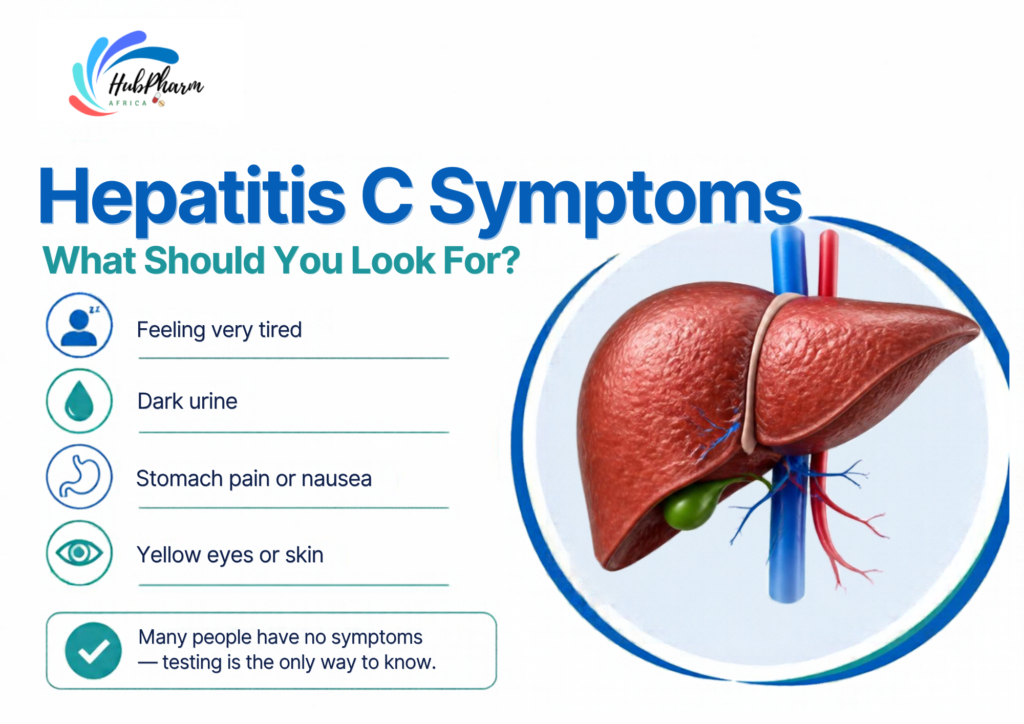
One of the main challenges with hepatitis C is that many people have no noticeable symptoms, even when the virus has been present for years.
When symptoms do occur, they may be mild or resemble those of other illnesses.
Possible symptoms include:
- Fatigue or unusual weakness.
- Loss of appetite.
- Nausea.
- Abdominal discomfort.
- Fever.
- Joint pain.
- Dark-coloured urine.
- Pale stools.
- Yellowing of the skin or whites of the eyes, known as jaundice.
Some people only develop symptoms after the infection has caused significant liver damage. Others may never notice symptoms before testing identifies the infection.
Can you have hepatitis C without symptoms?
Yes. A person can have hepatitis C and feel completely well.
This is why symptoms alone cannot determine whether someone has the infection. A blood test is needed.
If you have had a possible exposure, received a recommendation for screening or have unexplained liver test abnormalities, speak with a healthcare professional about whether hepatitis C testing is appropriate.
Symptoms of advanced liver disease
When chronic hepatitis C causes significant liver damage, additional symptoms may appear.
These can include swelling of the abdomen or legs, easy bruising, persistent weakness or changes in mental alertness.
Seek urgent medical attention if you develop jaundice with severe abdominal pain, confusion, unusual drowsiness or significant worsening of your condition.
Early testing is preferable to waiting until symptoms become severe.
Who Should Consider Hepatitis C Testing?
Testing is the only reliable way to determine whether you have hepatitis C.
A healthcare professional may recommend testing if you have had a possible exposure to infected blood, received a blood transfusion in circumstances where screening may have been inadequate, or have another recognised risk factor.
Testing may also be appropriate when liver tests remain abnormal without a clear explanation.
Recommendations for routine screening vary between countries and clinical settings. Your healthcare professional can help determine whether testing is appropriate based on your history and local guidance.
Why early testing matters
Early testing can identify infection before serious liver damage develops. It also allows people with confirmed infection to access curative treatment and learn how to reduce the risk of transmission.
A screening test is only the first step. A positive antibody result does not necessarily mean that the virus is still present.
How Is Hepatitis C Diagnosed?
Hepatitis C diagnosis usually involves two stages: an antibody test followed by a test for the virus itself when indicated.
1. Hepatitis C antibody test
The first test looks for antibodies that the immune system produces after exposure to the hepatitis C virus.
A reactive or positive antibody result means the person has been exposed to the virus at some point. However, it does not prove that the person currently has an active infection.
This distinction matters because some people clear the virus naturally, while others have been successfully treated.
2. HCV RNA test
If the antibody test is reactive, an HCV RNA test can determine whether the virus is currently present in the blood.
A detectable HCV RNA result indicates a current infection and the need for clinical assessment.
If the antibody test is reactive but HCV RNA is not detected, there is generally no evidence of current infection. A healthcare professional may recommend further testing in certain circumstances, particularly after recent exposure.
3. Assessment of liver health
Once hepatitis C is confirmed, a healthcare professional may request additional investigations to assess the liver.
These may include blood tests, imaging or non-invasive tests for liver scarring. The clinician may also assess for other infections, including hepatitis B and HIV, where appropriate.
The results help determine the best approach to treatment and follow-up.
The CDC’s hepatitis C testing guidance explains the difference between antibody testing and testing for current infection.
Hepatitis C Treatment: Can It Be Cured?
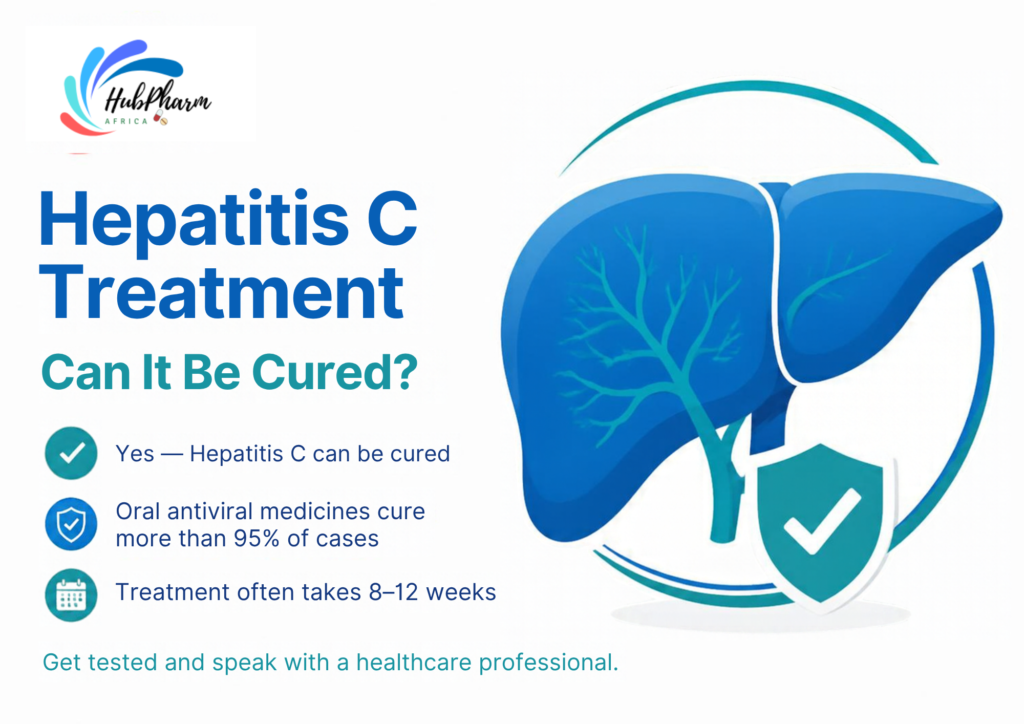
Yes. Hepatitis C can usually be cured.
Modern treatment uses medicines called direct-acting antivirals, or DAAs. These medicines target specific stages of the virus’s life cycle and prevent it from reproducing.
According to the CDC, appropriate treatment cures more than 95% of people with hepatitis C, often within 8–12 weeks. The treatment plan depends on individual clinical factors.
What does hepatitis C treatment involve?
A healthcare professional first confirms the infection and assesses the person’s health. This assessment may include liver tests, evaluation for cirrhosis, a review of other medicines and testing for hepatitis B.
The clinician then determines which treatment is appropriate and checks for potential medicine interactions.
After treatment, a blood test can confirm whether the virus remains detectable. A result showing no detectable HCV RNA at least 12 weeks after treatment is generally used to establish a sustained virologic response, which is considered a cure.
Does everyone need the same treatment?
No. The most appropriate treatment depends on several factors, including liver health, previous treatment, other medical conditions and possible medicine interactions.
Pregnancy and certain age groups also require specific clinical guidance. Therefore, a qualified healthcare professional should select and supervise treatment.
Can hepatitis C return after a cure?
A successful cure clears the current infection, but it does not create reliable immunity against future infection.
A person can become infected again after another exposure to the virus. Continued prevention and appropriate follow-up are therefore important.
For more information, read the CDC’s hepatitis C treatment guidance.
HubPharm Medicine Section: Medicines Used for Hepatitis C
HubPharm’s Hepatitis & Liver Health series includes educational information about medicines used in the management of viral hepatitis.
The following are examples of medicines used in modern hepatitis C treatment. They are included for health education; this list is not a recommendation to obtain or take any particular medicine.
Availability note: Inclusion in this article does not confirm current HubPharm stock or availability. A qualified healthcare professional must determine the appropriate treatment for each patient.
Direct-acting antiviral medicines
Direct-acting antivirals target proteins or processes that the hepatitis C virus needs to reproduce. Combination treatment uses medicines that work against different stages of the viral life cycle.
Examples of medicines used in specialist treatment include:
- Sofosbuvir: An antiviral medicine that inhibits an enzyme the virus needs to reproduce.
- Velpatasvir: An antiviral medicine that blocks a different viral protein and is used in combination regimens.
- Glecaprevir and pibrentasvir: Two antiviral medicines used together in certain treatment regimens.
- Ledipasvir and sofosbuvir: A combination used in appropriate clinical settings.
These examples are not interchangeable. Treatment selection depends on clinical guidance, the patient’s medical history and other factors.
Why medicine review is important
Hepatitis C treatment can interact with other medicines. Some combinations may also be unsuitable for people with particular medical conditions.
For this reason, a healthcare professional should review prescription medicines, over-the-counter products and supplements before treatment begins.
People with hepatitis B should also receive appropriate assessment because hepatitis B can become active again during direct-acting antiviral treatment for hepatitis C.
Avoid products that promise an unverified cure. Evidence-based treatment and appropriate medical monitoring offer the best route to a confirmed cure.
Can Hepatitis C Be Prevented?
There is currently no approved vaccine to prevent hepatitis C. However, people can reduce their risk by preventing exposure to infected blood.
1. Ensure safe healthcare procedures
Healthcare providers should use sterile equipment, follow infection-control procedures and avoid reusing needles or equipment intended for single use.
Patients can ask healthcare providers about safety and sterilisation practices when they have concerns.
2. Ensure safe blood screening
Blood and blood products should be screened according to applicable safety standards before transfusion.
Safe blood services are an important part of preventing hepatitis C transmission.
3. Avoid sharing personal items that may carry blood
Do not share razors, toothbrushes or other items that may become contaminated with blood.
Cuts should be covered, and blood spills should be handled using appropriate infection-control precautions.
4. Choose safe tattooing and piercing services
Equipment should be sterile, and providers should follow proper hygiene procedures. Reusable equipment must be appropriately sterilised between clients.
5. Seek advice after possible exposure
If you think you have been exposed to infected blood, seek medical advice about the appropriate testing schedule.
A clinician can determine whether early testing or repeat testing is necessary, since the virus may not be detectable on every test immediately after exposure.
6. Protect your liver
If you have hepatitis C, discuss alcohol use, medicines and supplements with a healthcare professional. Avoiding alcohol is especially important when liver damage is present.
The WHO’s hepatitis C fact sheet provides additional information on prevention and treatment.
Living Well After Hepatitis C Treatment
A successful cure is an important milestone, but follow-up may still be necessary.
People with significant liver scarring or cirrhosis may need continued monitoring even after the virus has cleared. This is because existing liver damage does not always disappear after treatment.
Follow recommended medical reviews
Your healthcare professional can determine whether further liver assessments are necessary. People with cirrhosis may need ongoing monitoring for liver complications.
Review medicines and supplements
Tell your healthcare professional about all medicines and supplements you use. This is particularly important when you have existing liver disease or are beginning a new treatment.
Maintain healthy habits
A balanced diet, regular physical activity and avoiding alcohol when advised can support liver health.
Remember that lifestyle changes do not replace antiviral treatment for a confirmed hepatitis C infection.
When Should You Seek Medical Care?
Arrange a medical assessment if you think you may have been exposed to hepatitis C or have been advised to undergo testing.
Seek prompt medical attention if you develop jaundice, persistent abdominal discomfort or unexplained symptoms that could indicate liver disease.
Get urgent care if you experience confusion, unusual drowsiness, severe abdominal pain or a rapid deterioration in your condition.
If a hepatitis C test is positive, do not assume that the infection is incurable. Modern treatment offers a high chance of cure, and a healthcare professional can guide you through confirmation, treatment and follow-up.
How HubPharm Africa Can Support You
HubPharm Africa is committed to helping people access reliable health information and patient-centred pharmacy support.
For people concerned about hepatitis C, HubPharm can support informed decisions through education and medicine-related guidance.
1. Hepatitis education
Understanding how hepatitis C spreads, how testing works and why treatment matters can help people make informed decisions about their health.
2. Pharmacist support
HubPharm’s pharmacy team can help explain general medicine information, discuss questions to raise with a clinician and clarify why professional review is important before starting a treatment.
3. Digital health information through Afiya
Afiya, HubPharm’s WhatsApp-based AI Health Companion, provides general health information and can help users recognise when professional support may be needed. It does not replace diagnostic testing, medical assessment or emergency care.
4. Support with prescribed medicines
Where appropriate and subject to confirmed availability, HubPharm can support patients with medicine-related questions and relevant pharmacy services.
5. Guidance after diagnosis
If you have received a positive hepatitis C antibody result, a healthcare professional can help you understand why an HCV RNA test may be needed to determine whether the virus is currently present.
Need help understanding a hepatitis test or a prescribed medicine? Contact HubPharm’s pharmacist team for appropriate guidance. If you have a positive result, arrange clinical assessment to discuss confirmation, treatment and follow-up.
Frequently Asked Questions About Hepatitis C
1. What causes hepatitis C?
Hepatitis C is caused by the hepatitis C virus. It spreads mainly through exposure to infected blood.
2. What are the symptoms of hepatitis C?
Many people have no symptoms. When symptoms occur, they may include fatigue, nausea, abdominal discomfort, joint pain, dark urine and jaundice.
3. Can hepatitis C be cured?
Yes. Modern direct-acting antiviral medicines cure more than 95% of people with hepatitis C when appropriately prescribed and completed under clinical supervision.
4. How is hepatitis C diagnosed?
Diagnosis usually begins with an antibody blood test. If the result is reactive, an HCV RNA test helps determine whether the virus is currently present.
5. Is there a vaccine for hepatitis C?
No approved hepatitis C vaccine is currently available. Prevention focuses on avoiding exposure to infected blood.
6. Can hepatitis C become chronic?
Yes. Many people who develop hepatitis C do not clear the virus naturally, and the infection can become chronic. Without treatment, chronic infection can lead to serious liver complications.
7. Can someone have hepatitis C without knowing?
Yes. Symptoms may be absent for years. Testing is the only reliable way to identify the infection.
8. Does a positive hepatitis C antibody test mean I currently have the virus?
Not necessarily. A reactive antibody test indicates previous exposure, but an HCV RNA test is generally needed to determine whether there is a current infection.
9. Can hepatitis C return after treatment?
A person can become reinfected after a successful cure if they are exposed to the virus again. A cure does not provide reliable immunity against reinfection.
10. Can hepatitis C cause liver cancer?
Yes. Chronic untreated hepatitis C can lead to cirrhosis and increase the risk of liver cancer. Early diagnosis and treatment can reduce the risk of serious complications.
Conclusion
Hepatitis C can remain unnoticed for years, but it is now one of the viral hepatitis infections that can usually be cured.
Testing is essential because symptoms alone cannot reliably identify the infection. A reactive antibody test should be followed by appropriate testing to establish whether the virus is currently present.
Modern direct-acting antiviral treatment cures more than 95% of cases, often within 8–12 weeks. Early assessment also helps identify liver damage and other conditions that may affect care.
HubPharm Africa supports patient education and pharmacy guidance to help people understand testing, prevention and prescribed medicines. If you think you may have hepatitis C, seek professional assessment rather than waiting for symptoms.
Medical disclaimer
This article is for general educational purposes only. It does not replace a medical consultation, diagnostic testing or individual treatment advice. Hepatitis C testing and treatment should be managed by qualified healthcare professionals.
References
- World Health Organization (WHO). Hepatitis C.
- Centers for Disease Control and Prevention (CDC). Clinical Overview of Hepatitis C.
- Centers for Disease Control and Prevention (CDC). Clinical Screening and Diagnosis for Hepatitis C.
- Centers for Disease Control and Prevention (CDC). Treatment of Hepatitis C.
- World Health Organization (WHO). Updated recommendations on treatment of adolescents and children with chronic HCV infection, and HCV simplified service delivery and diagnostics.