Hepatitis D in Nigeria: Symptoms, Diagnosis and Treatment
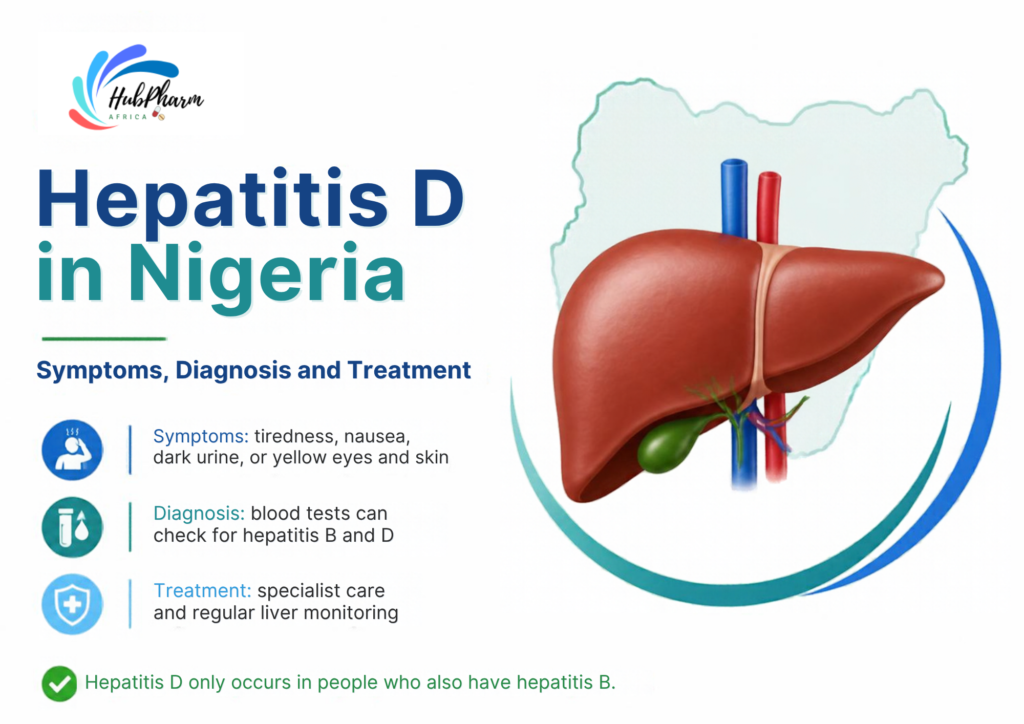
Hepatitis D is a viral infection that affects the liver. It is different from other types of viral hepatitis because the hepatitis D virus (HDV) needs the hepatitis B virus (HBV) to survive and multiply in the body.
This means that hepatitis D can only occur in people who also have hepatitis B. The combination can cause more severe liver disease than hepatitis B alone, increasing the risk of cirrhosis and liver cancer.
In Nigeria, awareness of hepatitis D matters because people living with hepatitis B may not know they also have HDV. Symptoms can remain absent for a long time, so appropriate testing and medical follow-up are important.
The good news is that hepatitis D can be prevented by preventing hepatitis B. Although treatment options for hepatitis D remain more limited than those for hepatitis C, specialist care can help manage the infection and protect liver health.
This guide explains hepatitis D symptoms, transmission, diagnosis, treatment and prevention. It also includes a dedicated HubPharm medicine section and information about how HubPharm Africa can support patients with health education and medicine-related questions.
What Is Hepatitis D?
Hepatitis D is a liver infection caused by the hepatitis D virus. Scientists describe HDV as a satellite virus because it relies on hepatitis B virus proteins to complete its life cycle.
Therefore, a person cannot develop hepatitis D without hepatitis B infection.
The infection may occur in two main ways.
1. Hepatitis B and D coinfection
Coinfection happens when a person acquires hepatitis B and hepatitis D at approximately the same time.
This can cause acute hepatitis, with symptoms ranging from mild illness to severe liver inflammation. Many people recover from an acute coinfection, although serious complications can occur.
2. Hepatitis D superinfection
Superinfection occurs when someone who already has chronic hepatitis B acquires hepatitis D.
This form is particularly concerning because it can accelerate liver damage. People with an HDV superinfection have a greater risk of developing cirrhosis and other serious liver complications.
According to the World Health Organization (WHO), chronic hepatitis D is among the more severe forms of chronic viral hepatitis.
However, a diagnosis does not mean that severe complications are inevitable. Early assessment, appropriate specialist care and continued monitoring can help patients manage their condition.
How Is Hepatitis D Transmitted?
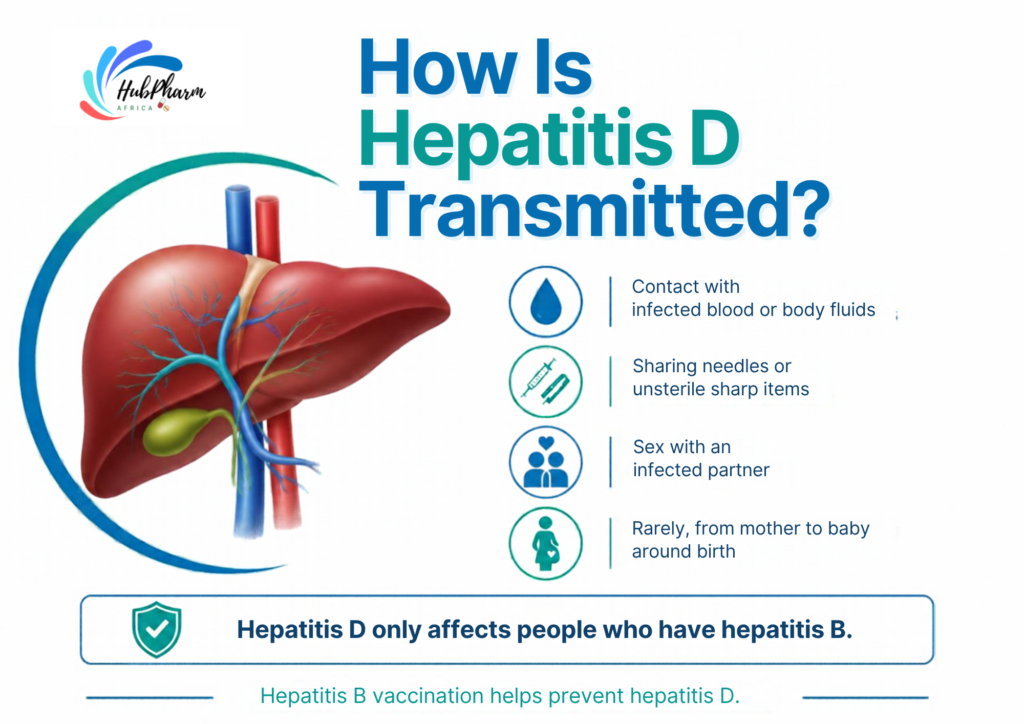
Hepatitis D spreads mainly through contact with infected blood and certain body fluids. Because HDV depends on HBV, people who already have hepatitis B are the group at risk of developing hepatitis D.
Common routes of transmission include the following.
1. Contact with infected blood
Transmission can occur when infected blood enters another person’s bloodstream through broken skin or contaminated equipment.
Unsafe medical procedures, inadequately sterilised equipment and reused needles can create opportunities for transmission.
Healthcare facilities should follow appropriate infection-prevention procedures to protect patients and staff.
2. Sexual transmission
Hepatitis D may spread through sexual contact, particularly when blood or infected body fluids are involved.
Hepatitis B vaccination provides protection against acquiring the hepatitis B infection needed for HDV infection.
Anyone concerned about a possible exposure should seek professional advice about testing and prevention.
3. Sharing items contaminated with blood
Personal items such as razors and toothbrushes may carry traces of blood. Avoid sharing them, particularly when they could come into contact with broken skin or the gums.
4. Transmission around childbirth
Transmission from mother to baby can occur, although it is less common than some other routes. Preventing hepatitis B infection in newborns remains central to preventing hepatitis D.
Pregnant people living with hepatitis B should discuss testing and appropriate care with their antenatal healthcare team.
Can hepatitis D spread through casual contact?
Hepatitis D does not ordinarily spread through hugging, handshakes, sharing meals or sitting near someone.
People living with hepatitis B or D should receive respectful care without stigma. Accurate information, appropriate testing and prevention are more helpful than social isolation or fear.
Hepatitis D Symptoms: What Should You Look For?
 ol
Hepatitis D symptoms can resemble those of hepatitis B and other liver infections. Some people have no noticeable symptoms, especially during the early stages.
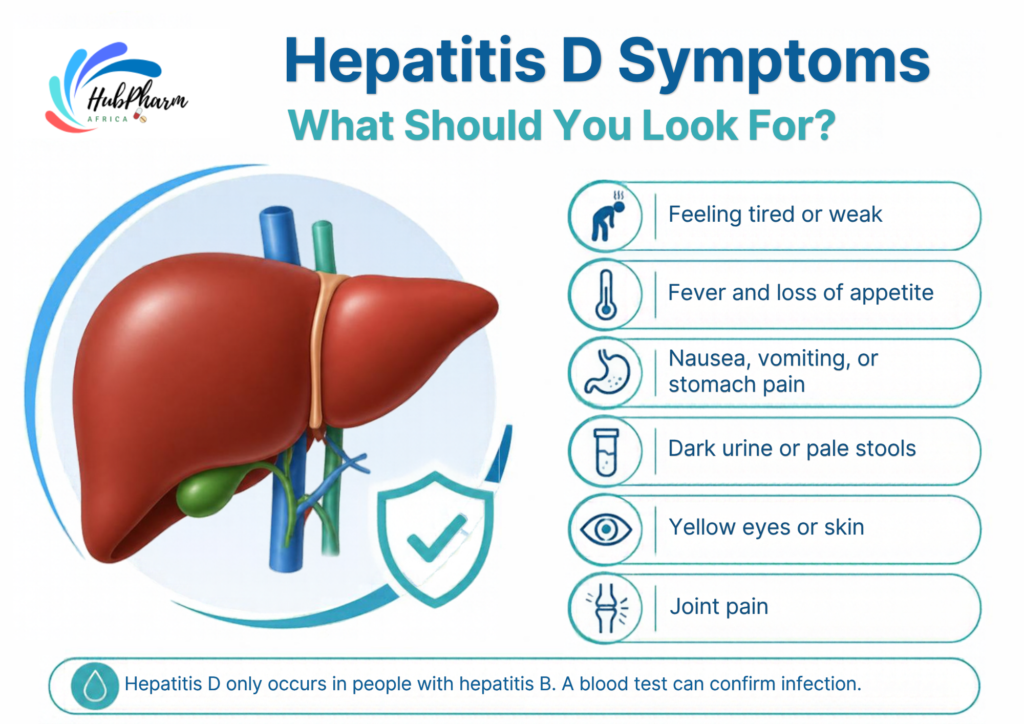
When symptoms occur, they may include:
- Fatigue or unusual weakness.
- Fever.
- Loss of appetite.
- Nausea or vomiting.
- Abdominal discomfort.
- Joint pain.
- Dark-coloured urine.
- Pale or clay-coloured stools.
- Yellowing of the skin or whites of the eyes, known as jaundice.
Symptoms may appear after infection, but their timing varies. In addition, some people discover the infection through blood tests rather than symptoms.
Why can hepatitis D remain unnoticed?
Liver inflammation does not always cause obvious symptoms. A person may feel well even while the virus is affecting their liver.
This is particularly important for people already living with chronic hepatitis B. If their liver condition worsens or blood tests become abnormal, their healthcare professional may consider testing for hepatitis D.
Do not wait for jaundice or severe symptoms before seeking recommended testing.
Warning signs that need urgent medical attention
Seek urgent medical care if you develop jaundice with severe abdominal pain, persistent vomiting or marked weakness.
Confusion, unusual drowsiness or a rapid deterioration in your condition requires emergency assessment because these symptoms may indicate serious liver complications.
Who Should Consider Hepatitis D Testing?
Hepatitis D testing is particularly relevant to people who have hepatitis B.
A healthcare professional may recommend testing if you:
- Have a confirmed hepatitis B infection.
- Have worsening liver inflammation despite previous assessment or treatment.
- Have signs of advanced liver disease.
- Have other clinical findings that raise concern about HDV infection.
Testing recommendations may vary according to local guidance, available tests and individual circumstances.
Why testing matters
Identifying hepatitis D can change how a healthcare professional monitors and manages chronic hepatitis B.
People with both infections may need closer assessment of liver health and specialist advice about available treatment options.
Because hepatitis D can be more aggressive than hepatitis B alone, appropriate testing helps clinicians make better-informed decisions.
How Is Hepatitis D Diagnosed?
Symptoms alone cannot confirm hepatitis D. Diagnosis requires blood tests that identify exposure to HDV and determine whether the virus is currently active.
1. Confirming hepatitis B infection
Because HDV requires HBV, healthcare professionals first establish whether hepatitis B infection is present.
A hepatitis B surface antigen test, known as HBsAg, is commonly used to identify current hepatitis B infection.
2. Hepatitis D antibody testing
An HDV antibody test can identify evidence of exposure to hepatitis D.
However, an antibody result alone may not prove that the virus is currently active. Additional testing may be needed.
3. HDV RNA testing
An HDV RNA test looks for genetic material from the hepatitis D virus in the blood.
Detecting HDV RNA helps confirm active infection. This information can guide decisions about treatment and follow-up.
Access to specialised HDV testing may be limited in some healthcare settings. A clinician can advise on appropriate testing options and referral pathways.
4. Assessing liver health
If hepatitis D is confirmed, additional tests may assess liver inflammation and damage.
These may include liver enzyme tests, other blood investigations, ultrasound imaging or non-invasive assessments for liver scarring.
The findings help clinicians evaluate the severity of disease and decide what monitoring or treatment is appropriate.
For further information, consult the WHO hepatitis D fact sheet.
Hepatitis D Treatment: What Are the Options?
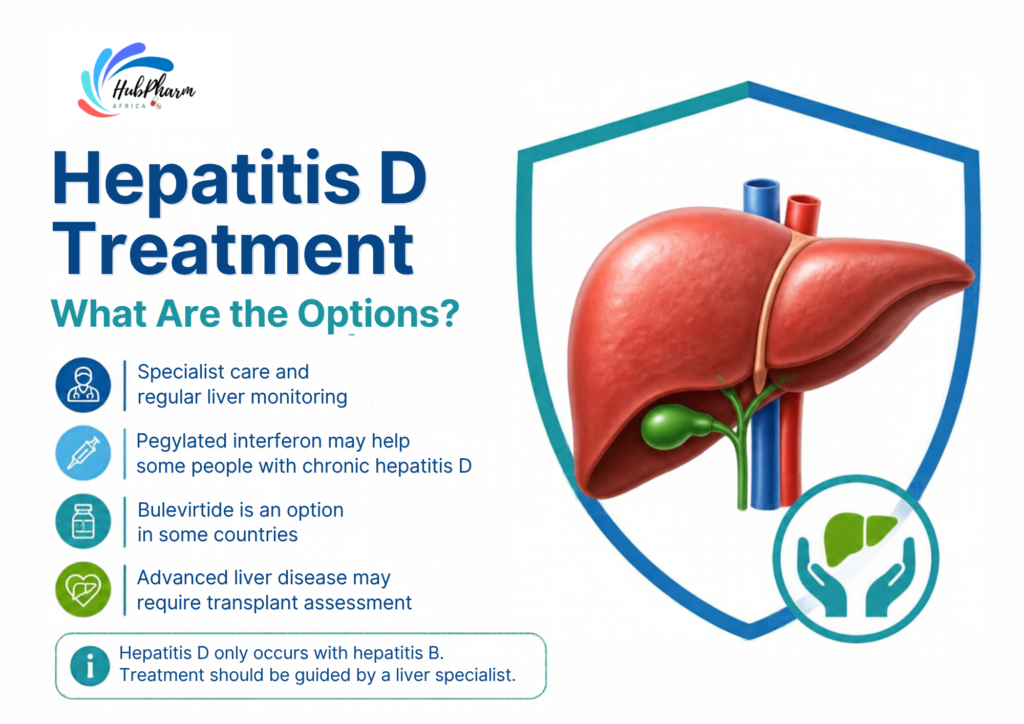
Hepatitis D treatment can be complex because the virus depends on hepatitis B, and the available treatments are different from those used for hepatitis C.
A specialist should assess the patient’s liver health, the activity of both viruses, other medical conditions and the treatments available in the relevant country.
1. Specialist monitoring and liver care
Monitoring is important for people with hepatitis D because liver disease can progress more quickly than it does with hepatitis B alone.
Healthcare professionals may assess liver function, signs of scarring and the risk of complications. They can also determine how frequently follow-up tests are needed.
2. Pegylated interferon
Pegylated interferon alfa has been used to treat selected people with chronic hepatitis D.
However, it does not work for everyone and can cause significant side effects. It is unsuitable for some patients, so treatment requires careful specialist assessment and monitoring.
3. Newer treatment options
Newer treatments have expanded the options for some people with chronic hepatitis D.
For example, bulevirtide is an HDV entry inhibitor that has received approval for certain patients in the European Union. Its approval status, availability and suitability vary by country and clinical circumstances.
It is important not to assume that a medicine approved in one region is approved or routinely available in Nigeria. A specialist can explain which evidence-based options are accessible and appropriate.
4. Managing hepatitis B alongside hepatitis D
Medicines used to suppress hepatitis B, such as tenofovir or entecavir, may be needed when the patient meets treatment criteria for HBV.
However, these medicines do not directly eliminate hepatitis D. Managing hepatitis B and managing hepatitis D are related but distinct clinical tasks.
The treatment plan must account for both infections.
Can hepatitis D be cured?
There is no single treatment that reliably cures every case of chronic hepatitis D.
Some patients respond to treatment, while others need ongoing monitoring and management. The goal is to control viral activity where possible, protect liver function and reduce the risk of complications.
People with advanced liver disease may require assessment at a specialist liver centre. In selected cases of end-stage liver disease, a liver transplant may be considered.
HubPharm Medicine Section: Medicines Used in Hepatitis D Care
HubPharm’s Hepatitis & Liver Health series provides educational information about medicines associated with viral hepatitis care.
The medicines below are examples relevant to clinical management. Their inclusion does not confirm that HubPharm currently stocks them or that they are appropriate for every patient.
1. Pegylated interferon alfa
Pegylated interferon alfa has been used in selected cases of chronic hepatitis D.
It affects the body’s immune response and can help suppress viral activity in some patients. However, side effects and treatment limitations mean that it requires specialist supervision.
2. Bulevirtide
Bulevirtide blocks a pathway that hepatitis D uses to enter liver cells. It is an option for certain patients in jurisdictions where it has been approved.
Its availability and approved use vary by country. A liver specialist can explain whether it is an appropriate option in a particular clinical setting.
3. Tenofovir
Tenofovir is an antiviral medicine used to manage chronic hepatitis B.
Because hepatitis D requires hepatitis B, managing HBV remains an important part of care. However, tenofovir does not directly cure hepatitis D.
4. Entecavir
Entecavir is another antiviral medicine used in chronic hepatitis B management.
A clinician may consider it when HBV treatment is indicated. It should not be presented as a standalone treatment for hepatitis D.
5. Hepatitis B vaccine
The hepatitis B vaccine is essential for preventing hepatitis B infection and, consequently, preventing hepatitis D in people who have not already acquired HBV.
However, the vaccine does not treat hepatitis B or hepatitis D in someone who is already infected.
Why professional medicine review matters
Hepatitis D treatment requires careful assessment because some medicines have significant side effects, specific eligibility criteria or limited availability.
Patients should not start, stop or change prescribed treatment without advice from their healthcare team. Unverified herbal products and supplements should not replace specialist care.
HubPharm’s pharmacy team can help with general medicine-related questions and explain why a clinician’s assessment is important.
Hepatitis D Prevention in Nigeria
There is no separate widely available vaccine specifically for hepatitis D. However, preventing hepatitis B prevents hepatitis D in people who have not already acquired HBV.
1. Get vaccinated against hepatitis B
Hepatitis B vaccination is the most important preventive measure against hepatitis D.
The vaccine helps prevent the HBV infection that HDV needs to survive. Ask a qualified healthcare professional about vaccination if you have not been vaccinated or are unsure of your vaccination status.
Important: Hepatitis B vaccination does not protect someone who already has hepatitis B from acquiring hepatitis D. People living with HBV should discuss appropriate HDV testing with their healthcare professional.
2. Use safe medical services
Healthcare providers should use sterile equipment and follow appropriate infection-prevention procedures.
Avoid procedures involving equipment that may be contaminated with blood.
3. Avoid sharing personal items that may carry blood
Do not share razors, toothbrushes or needles. Cover cuts and follow appropriate hygiene practices when handling blood.
4. Seek advice after possible exposure
If you think you have been exposed to infected blood, seek medical advice about testing and appropriate follow-up.
People already living with hepatitis B should be particularly attentive to advice about HDV testing.
5. Encourage testing and reduce stigma
People diagnosed with hepatitis B should have access to information about possible complications, including hepatitis D.
Accurate education helps people seek care early, protect their health and avoid unnecessary fear or discrimination.
Living With Hepatitis D
A diagnosis of hepatitis D can be worrying, but appropriate medical care can help patients understand their condition and plan for follow-up.
Attend regular medical reviews
People with hepatitis D may need closer liver monitoring because the infection can increase the risk of progressive liver damage.
Follow the monitoring plan recommended by your healthcare professional.
Protect your liver
Avoid alcohol, particularly if you have liver damage, and discuss medicines and supplements with your healthcare professional before using them.
A balanced diet and appropriate physical activity can support general health, but they do not replace treatment or medical monitoring.
Keep your healthcare team informed
Tell your healthcare professional about all medicines, supplements and other health conditions.
This information helps the team assess possible interactions and make informed decisions about treatment.
When Should You Seek Medical Care?
Seek medical advice if you have hepatitis B and have not discussed whether hepatitis D testing is appropriate.
Arrange a clinical assessment if you develop symptoms suggestive of liver disease, including jaundice, dark urine or persistent abdominal discomfort.
Seek urgent medical care for severe abdominal pain, persistent vomiting, confusion, unusual drowsiness or rapid worsening of your condition.
Early assessment can help identify liver complications and determine the appropriate level of care.
How HubPharm Africa Can Support You
HubPharm Africa is committed to helping people access reliable health information and patient-centred pharmacy support.
For people concerned about hepatitis D, HubPharm can support informed decisions through health education and medicine-related guidance.
Hepatitis education
HubPharm’s educational content helps people understand the relationship between hepatitis B and D, the importance of testing and the role of vaccination in prevention.
Pharmacist support
Our pharmacy team can help explain general information about prescribed medicines, medicine precautions and questions patients may wish to raise with their healthcare professional.
Digital health information through Afiya
Afiya, HubPharm’s WhatsApp-based AI Health Companion, provides general health information and can help users recognise when professional support may be necessary.
Afiya does not replace diagnostic testing, a liver specialist’s assessment or emergency medical care.
Support with prescribed medicines
Subject to confirmed availability and appropriate clinical requirements, HubPharm can support patients with medicine-related questions and relevant pharmacy services.
Need help understanding hepatitis test results or prescribed medicines? Contact HubPharm’s pharmacist team for appropriate guidance. If you have hepatitis B, ask your healthcare professional whether hepatitis D testing is suitable for you.
Frequently Asked Questions About Hepatitis D
1. What causes hepatitis D?
Hepatitis D is caused by the hepatitis D virus. It can infect only people who also have hepatitis B.
2. What are the symptoms of hepatitis D?
Symptoms may include fatigue, fever, nausea, loss of appetite, abdominal discomfort, dark urine and jaundice. However, some people have no noticeable symptoms.
3. Can hepatitis D occur without hepatitis B?
No. The hepatitis D virus requires hepatitis B to complete its life cycle. Without HBV infection, HDV cannot establish infection.
4. Is there a vaccine for hepatitis D?
There is no separate hepatitis D vaccine. However, hepatitis B vaccination prevents the HBV infection needed for hepatitis D infection.
5. How is hepatitis D diagnosed?
Testing usually involves an HDV antibody test and, where indicated, an HDV RNA test to determine whether the virus is currently active. Assessment also establishes the person’s hepatitis B status.
6. Can hepatitis D be cured?
There is no treatment that reliably cures every case of chronic hepatitis D. Specialist treatment can suppress viral activity in some patients and help manage the risk of liver complications.
7. What medicines are used for hepatitis D?
Pegylated interferon alfa has been used in selected patients, and newer options such as bulevirtide are available in certain jurisdictions. Medicines for hepatitis B may also be needed, but they do not directly cure HDV.
8. Is hepatitis D more serious than hepatitis B alone?
Hepatitis D can accelerate liver damage, particularly when it infects someone who already has chronic hepatitis B. The severity varies, so appropriate testing and medical monitoring matter.
9. Can hepatitis D spread through sharing food?
Hepatitis D does not ordinarily spread through sharing meals, hugging or handshakes. It spreads mainly through exposure to infected blood and certain body fluids.
10. What should I do if I have hepatitis B?
Attend regular medical reviews and ask your healthcare professional whether hepatitis D testing is appropriate. Seek care promptly if you develop symptoms of liver disease.
Conclusion
Hepatitis D is a serious viral liver infection because it can occur only alongside hepatitis B and may accelerate liver damage.
The most important preventive measure is hepatitis B vaccination for people who have not already acquired HBV. For people living with hepatitis B, appropriate assessment and hepatitis D testing can help identify additional risks.
Although treatment options for hepatitis D remain more limited than those for some other viral hepatitis infections, specialist care can help manage the condition and protect liver health.
HubPharm Africa supports health education and pharmacist guidance to help people understand prevention, testing and prescribed medicines. If you have hepatitis B, speak with your healthcare professional about whether hepatitis D testing is appropriate.
Medical disclaimer
This article is for general educational purposes only. It does not replace medical consultation, diagnostic testing or individual treatment advice. Hepatitis D testing and treatment should be managed by qualified healthcare professionals.
References
- World Health Organization (WHO). Hepatitis D.
- Centers for Disease Control and Prevention (CDC). Hepatitis D Basics.
- World Health Organization (WHO). Guidelines for the prevention, diagnosis, care and treatment for people with chronic hepatitis B infection.
- European Medicines Agency (EMA). Hepcludex (bulevirtide): European public assessment report.
- Centers for Disease Control and Prevention (CDC). Treatment of Hepatitis B.