Hepatitis E in Nigeria: Symptoms, Prevention and Treatment
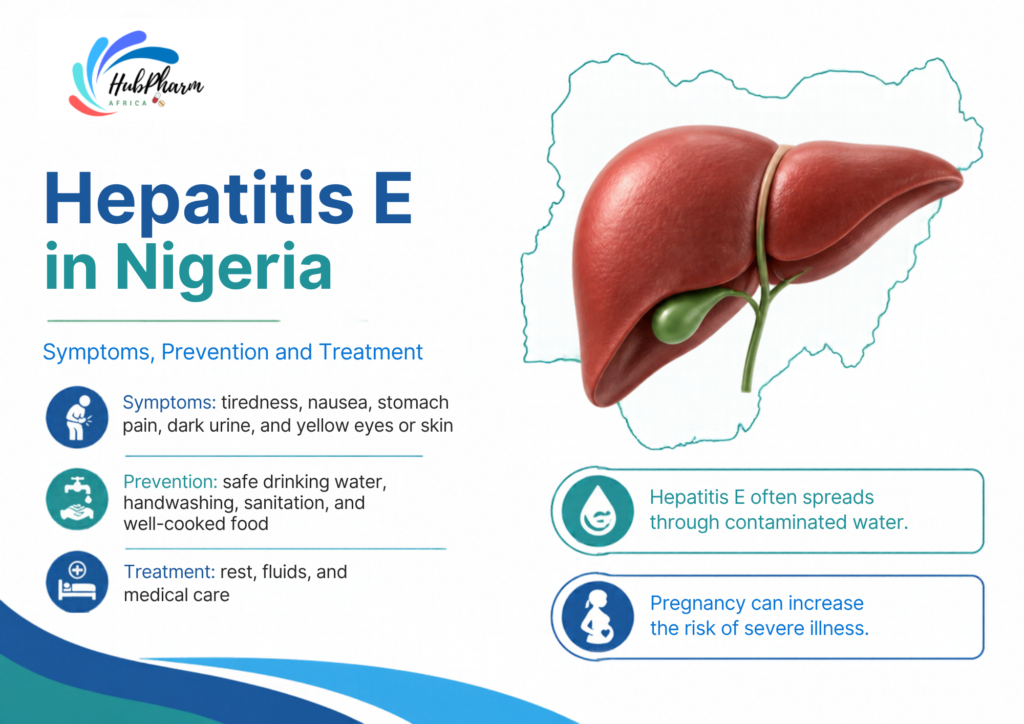
Hepatitis E is a viral infection that affects the liver. It is commonly spread through drinking water contaminated with infected human waste. In places where access to clean water and sanitation is limited, outbreaks can occur and affect many people.
In Nigeria, safe drinking water, proper sanitation and good food hygiene are important ways to reduce the risk of waterborne infections. However, many people may not recognise hepatitis E because its symptoms can resemble those of other illnesses, including malaria and other types of viral hepatitis.
Most people with hepatitis E recover fully. Nevertheless, the infection can sometimes cause severe liver disease. Pregnant women, particularly during the second and third trimesters, face a higher risk of serious complications.
Understanding hepatitis E symptoms, how the virus spreads and when to seek medical care can help protect individuals and families. This guide explains what you need to know about hepatitis E in Nigeria, including diagnosis, treatment, prevention and when to speak with a healthcare professional.
What Is Hepatitis E?
Hepatitis E is an inflammation of the liver caused by the hepatitis E virus (HEV). The liver helps the body process nutrients, remove harmful substances and produce proteins needed for normal body functions. When a virus inflames the liver, these activities can be affected.
Hepatitis E usually causes an acute infection, meaning it develops over a relatively short period. Most people recover within a few weeks without developing long-term liver problems. However, some cases become severe and may lead to acute liver failure.
In addition, people with weakened immune systems, including some organ transplant recipients, can occasionally develop a persistent infection.
Hepatitis E is different from hepatitis A, B, C and D. Although all these infections affect the liver, they have different routes of transmission, patterns of illness and prevention options.
For example, hepatitis E commonly spreads through contaminated water, while hepatitis B and C are primarily associated with exposure to infected blood or certain body fluids. Therefore, identifying the specific virus is important because the appropriate care depends on the diagnosis.
How Does Hepatitis E Spread?
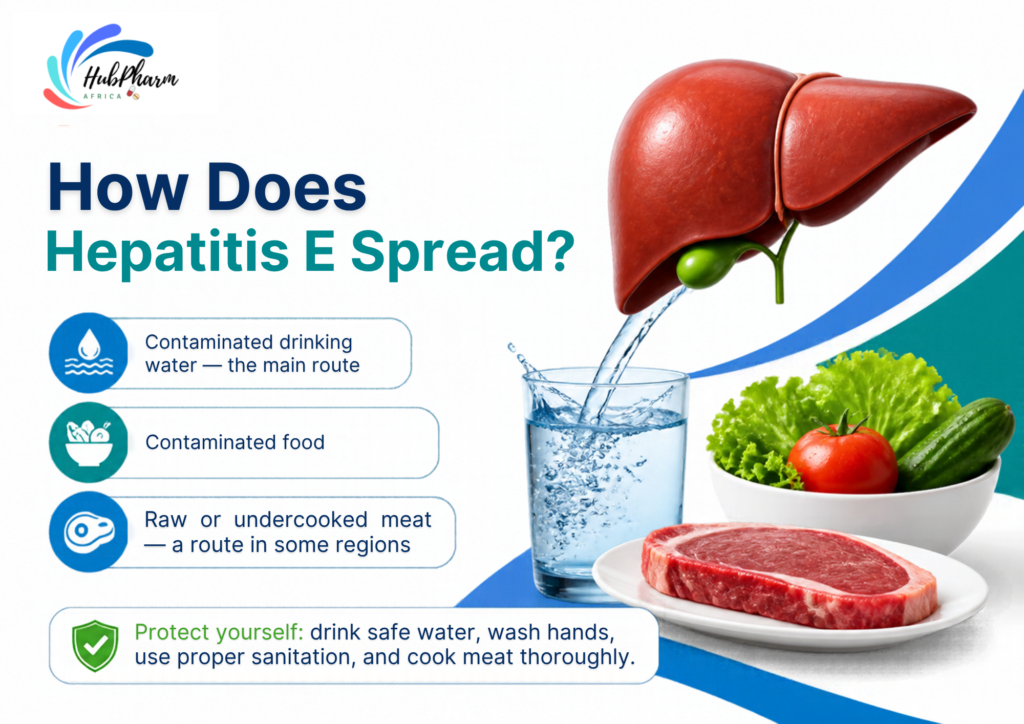
Hepatitis E spreads mainly through the faecal–oral route. This means that a person becomes infected after swallowing the virus, often through contaminated water or food.
The virus can enter drinking water when human waste is not safely contained or disposed of. Consequently, communities with inadequate sanitation or disrupted water supplies may face a greater risk of outbreaks.
1. Drinking contaminated water
Contaminated water is a major route of hepatitis E transmission in many affected regions. Water may appear clear and still contain germs that can cause illness.
Risk can increase when drinking water comes from an unsafe source, when sewage contaminates a water supply or when water is stored in unclean containers.
2. Eating contaminated food
Food can become contaminated when it is handled with unwashed hands or prepared using unsafe water. Poor food hygiene can therefore contribute to the spread of hepatitis E.
In some regions, certain types of hepatitis E also spread through eating raw or undercooked infected animal products. Thorough cooking and safe food handling reduce this risk.
3. Poor sanitation and hygiene
When human waste is not disposed of safely, the virus can enter the environment and contaminate water or food. Likewise, failing to wash hands properly after using the toilet or before preparing food can contribute to transmission.
For this reason, preventing hepatitis E requires both individual hygiene practices and reliable community sanitation systems.
4. Outbreaks following disruption to water supplies
Flooding, displacement and damage to water infrastructure can increase the risk of waterborne disease outbreaks. These conditions may allow sewage to contaminate water used for drinking, cooking and washing.
However, an outbreak risk does not mean that every person who uses a particular water source will become infected. Laboratory testing and appropriate public health assessment help identify cases and guide the response.
What Are the Symptoms of Hepatitis E?
Some people with hepatitis E have no noticeable symptoms. Others develop an illness that may last several weeks.
When symptoms occur, they commonly begin around two to ten weeks after exposure, although the timing varies.
Possible hepatitis E symptoms include:
- Tiredness or unusual weakness.
- Fever.
- Loss of appetite.
- Nausea and vomiting.
- Pain or discomfort in the abdomen.
- Joint pain.
- Itching.
- Dark-coloured urine.
- Pale or clay-coloured stools.
- Yellowing of the skin or whites of the eyes, known as jaundice.
These symptoms do not confirm hepatitis E. Other liver conditions and infections can cause similar problems. Therefore, people should not assume that jaundice, fever or abdominal pain is simply malaria or treat it without an appropriate assessment.
Early symptoms
Early symptoms may be mild and nonspecific. Someone may feel tired, develop a reduced appetite or experience nausea before noticing any change in skin or eye colour.
Because these symptoms can occur with many illnesses, they are not enough to establish the diagnosis. If symptoms persist, worsen or occur after possible exposure to unsafe water, seek medical assessment.
Signs of liver involvement
Dark urine, pale stools and jaundice can indicate that the liver is affected. These symptoms deserve prompt medical attention, especially when they occur together.
Do not wait for every symptom to appear before seeking help. A healthcare professional can assess the symptoms and decide which investigations are necessary.
When Is Hepatitis E Dangerous?
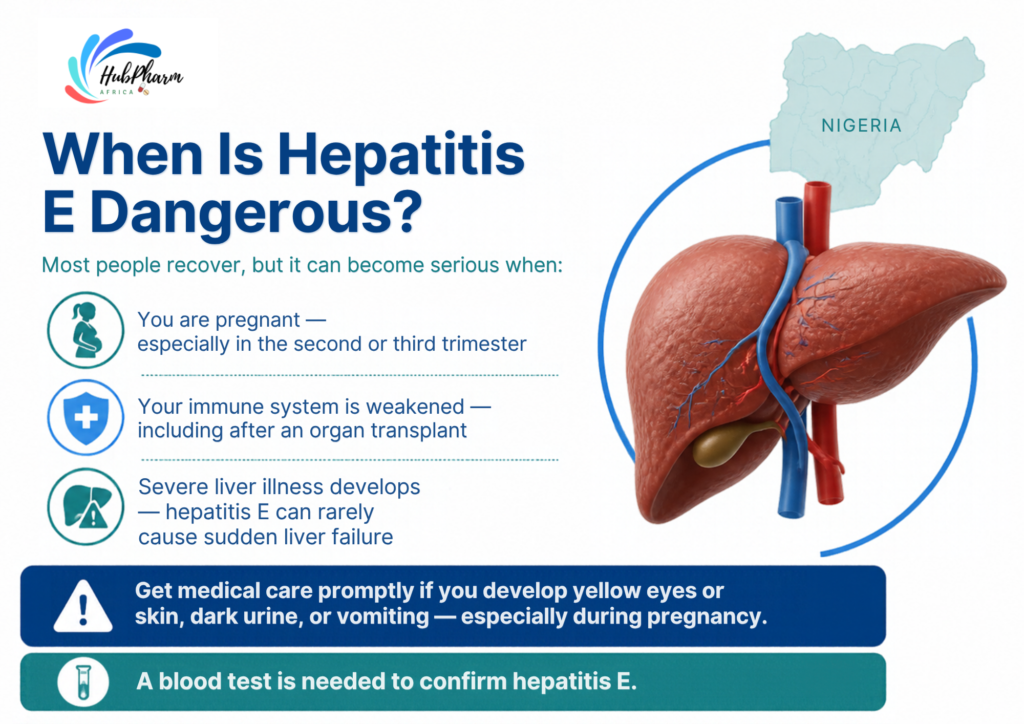
Although most people recover, hepatitis E can occasionally cause severe illness. Acute liver failure is a serious complication that requires urgent hospital care.
Pregnancy and hepatitis E
Pregnant women face a particularly important risk. Hepatitis E can cause more severe disease during pregnancy, especially in the second and third trimesters. Complications may include acute liver failure, pregnancy loss and death.
For this reason, a pregnant person who develops jaundice, dark urine, persistent vomiting, significant abdominal pain or other concerning symptoms should seek urgent medical assessment.
Do not rely on home treatment or wait for symptoms to disappear. Prompt assessment allows healthcare professionals to check liver function, evaluate the pregnancy and determine whether hospital care is needed.
People with weakened immune systems
Some people with weakened immune systems can develop persistent hepatitis E infection. This risk is particularly relevant to certain organ transplant recipients and people taking medicines that suppress the immune system.
If you fall into this group and develop symptoms of hepatitis, contact your treating healthcare team promptly. Do not stop prescribed immune-suppressing medicines without specialist advice.
People with existing liver disease
People who already have liver disease may need closer monitoring if they develop another liver infection. The severity depends on their underlying condition and the infection itself.
If you have known liver disease and develop jaundice, dark urine, vomiting or unusual weakness, seek prompt medical care.
How Is Hepatitis E Diagnosed?
Hepatitis E cannot be confirmed by symptoms alone. Its symptoms overlap with other types of viral hepatitis and illnesses that cause fever, nausea or jaundice.
A healthcare professional may ask about your symptoms, recent illness, drinking water sources, food exposure, travel and possible contact with an outbreak. They may also examine you and request blood tests.
Blood tests
A blood test can look for antibodies against the hepatitis E virus. In particular, an anti-HEV IgM test can help identify a recent infection.
However, results must be interpreted alongside the person’s symptoms and clinical history. The availability and performance of tests can vary between laboratories.
Molecular testing
In selected situations, a laboratory may use a molecular test called reverse-transcription polymerase chain reaction (RT-PCR) to detect the virus’s genetic material in blood or stool.
This test may be especially useful in certain complicated cases or when a persistent infection is suspected in someone with a weakened immune system.
Liver function tests
A clinician may also request tests that measure liver enzymes and other indicators of liver function. These tests can help assess liver inflammation and the severity of illness, but they do not confirm hepatitis E on their own.
Depending on the circumstances, the healthcare team may investigate other causes of hepatitis, including hepatitis A, B and C, as well as other liver conditions.
Important: If you have jaundice or suspect a liver infection, seek medical assessment rather than relying on online symptom checkers or self-diagnosis.
Hepatitis E Treatment: What Helps You Recover?
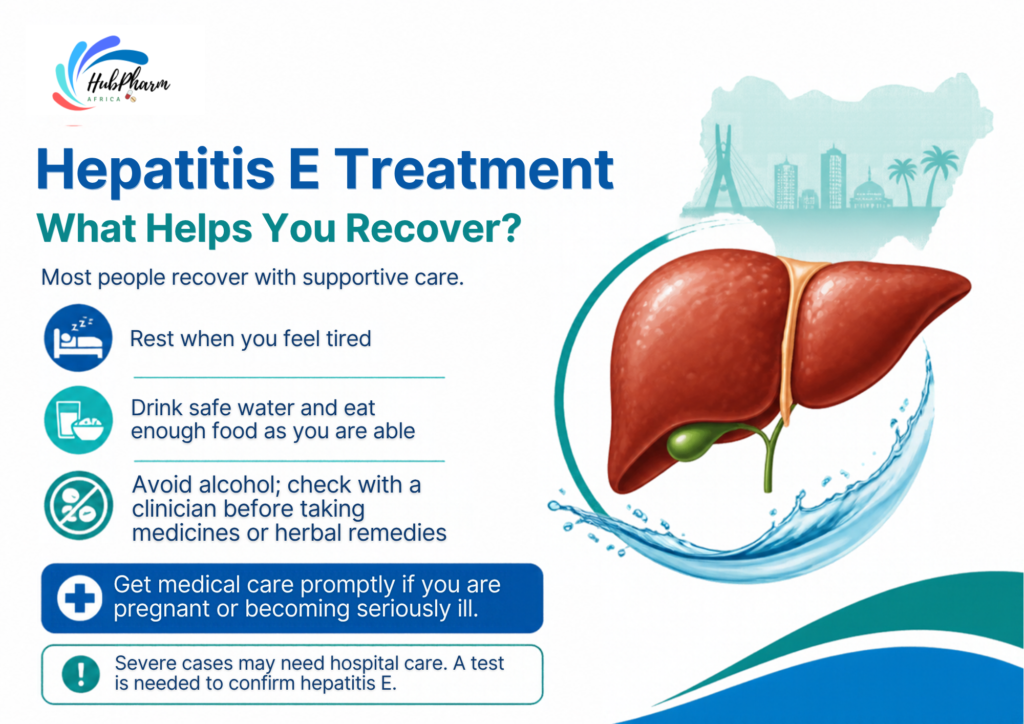
There is currently no specific antiviral medicine routinely recommended for uncomplicated acute hepatitis E. Most people recover with supportive care and appropriate medical monitoring.
The correct approach depends on the severity of the illness, the person’s pregnancy status, their immune system and whether they have an existing liver condition.
1. Rest and adequate fluids
Rest can help you manage fatigue while your body recovers. Drinking suitable fluids can also help prevent dehydration, particularly if you have vomiting.
If you cannot keep fluids down, feel increasingly weak or develop other concerning symptoms, seek medical care. Severe dehydration may require treatment in a healthcare facility.
2. Eat as tolerated
Try to maintain adequate nutrition during recovery. Small, regular meals may be easier to manage if nausea reduces your appetite.
There is no single special diet that cures hepatitis E. A healthcare professional can advise you if your symptoms make it difficult to eat or drink enough.
3. Review all medicines with a healthcare professional
Some medicines can affect the liver, and the appropriate choice depends on your condition and medical history.
Therefore, tell your doctor or pharmacist about all medicines you take, including prescription medicines, over-the-counter products, herbal remedies and supplements. Do not start a new medicine or use high doses of pain relievers without professional advice while you may have liver inflammation.
Do not stop essential prescribed treatment on your own either. Your healthcare professional can weigh the benefits and risks and advise you on the safest plan.
4. Avoid alcohol during recovery
Alcohol can place additional stress on the liver. Avoid it while recovering from hepatitis E and follow your healthcare professional’s advice about when it is safe to resume any alcohol use.
5. Attend follow-up appointments
A clinician may recommend follow-up visits or blood tests to check whether your liver is recovering. This is particularly important if symptoms are severe, you have existing liver disease, you are pregnant or your immune system is weakened.
If your condition worsens, your healthcare team may recommend hospital treatment. Severe hepatitis requires close monitoring and supportive management.
What about antiviral medicines?
Antiviral treatment is not routinely required for uncomplicated acute hepatitis E. Specialist teams may consider different approaches in selected cases of persistent infection among people with weakened immune systems.
Such decisions require specialist assessment. Medicines used in these situations are not suitable for self-treatment, and they should not be started based on an online article.
Can Hepatitis E Be Prevented?
Prevention is especially important because contaminated water and poor sanitation can allow hepatitis E to spread through a community.
Although access to safe water and sanitation requires public health action, households can also take practical steps to reduce exposure.
Drink safe water
Use water from a reliable, safe source for drinking, preparing food and brushing teeth.
If water safety is uncertain, use an appropriate treatment method, such as boiling, following local public health guidance. Store treated water in a clean, covered container and avoid dipping unwashed hands or dirty utensils into it.
Do not assume that clear water is safe. Contamination is not always visible.
Wash your hands properly
Wash your hands with soap and safe water:
- After using the toilet.
- After cleaning a child or handling waste.
- Before preparing food.
- Before eating.
- After handling potentially contaminated materials.
Hand hygiene helps reduce the spread of many infections, including those transmitted through contaminated food and water.
Handle food safely
Wash fruits and vegetables with safe water. Keep food preparation surfaces and utensils clean, and separate raw foods from ready-to-eat meals.
Cook food thoroughly, particularly meat and animal products that may carry infection. Avoid food from sources where safe handling and storage cannot be assured.
Improve sanitation
Safe toilets, proper sewage disposal and protection of drinking water sources are essential for preventing waterborne infections.
Communities can reduce the risk of outbreaks by ensuring that human waste does not contaminate water supplies. Public health authorities also play an important role in identifying outbreaks and providing clear advice on safe water use.
Take extra care during pregnancy
Pregnant women should pay particular attention to safe drinking water and food hygiene because hepatitis E can cause more severe illness during pregnancy.
If you are pregnant and concerned about possible exposure or symptoms of hepatitis, contact your antenatal care provider promptly. Do not wait for jaundice to appear before seeking advice if you feel seriously unwell.
Is There a Vaccine for Hepatitis E?
A hepatitis E vaccine has been licensed in China and has been used in certain outbreak-response settings. However, it is not widely available in every country, and availability and recommendations vary by location.
Do not assume that a hepatitis E vaccine is routinely available in Nigeria. Ask a qualified healthcare professional or relevant public health authority for current local guidance.
It is also important to understand that the hepatitis B vaccine does not protect against hepatitis E. These vaccines target different viruses.
Hepatitis E Compared With Other Types of Hepatitis
The word hepatitis describes inflammation of the liver. It does not refer to just one virus.
| Type | Main route of transmission | Key point |
|---|---|---|
| Hepatitis A | Contaminated food or water | Usually causes an acute infection; a vaccine is available in many settings. |
| Hepatitis B | Infected blood and certain body fluids | Can become chronic; vaccination prevents infection. |
| Hepatitis C | Mainly exposure to infected blood | Often curable with appropriate antiviral treatment. |
| Hepatitis D | Requires an existing hepatitis B infection | Prevention relies on preventing hepatitis B. |
| Hepatitis E | Mainly contaminated water or food | Usually resolves, but can be dangerous during pregnancy. |
Although some symptoms overlap, the tests and treatment options differ. A healthcare professional can help determine which type of hepatitis, if any, is responsible for your symptoms.
For more information, read our related guides on hepatitis A, hepatitis B and hepatitis C. Replace these temporary links with the exact published article URLs before publication.
Medicines and Treatments for Hepatitis E
There is no routinely recommended specific antiviral medicine for uncomplicated acute hepatitis E. Treatment generally focuses on symptom management, hydration, nutrition, avoiding substances that may harm the liver and monitoring for complications.
Depending on the person’s condition, a healthcare team may recommend:
- Oral rehydration solutions: May help replace fluids and salts lost through vomiting, when appropriate.
- Clinical monitoring: Helps assess symptoms, hydration and liver function.
- Hospital-based supportive care: May be necessary for severe illness or acute liver failure.
- Specialist-directed treatment: May be considered for selected cases of persistent hepatitis E in people with weakened immune systems.
These approaches are not interchangeable, and not everyone needs each one. A healthcare professional should determine the appropriate plan.
Avoid using antibiotics, herbal mixtures or purported liver-cleansing products as a substitute for assessment. They do not reliably cure hepatitis E, and some products can harm the liver or interact with prescribed medicines.
Hepatitis E Information and Pharmacist Support at HubPharm Africa
Understanding the difference between hepatitis types, interpreting medicine information and knowing when to seek medical attention can be difficult.
At HubPharm Africa, our goal is to help people make informed decisions about medicines and healthcare. Our pharmacists can support patients with questions about prescribed medicines, possible side effects, medicine safety and when further medical assessment is needed.
For people recovering from a suspected or confirmed liver infection, it is important to review medicines and supplements with a qualified professional before starting anything new. This helps identify potential risks and supports safer care.
HubPharm’s pharmacist support is not a substitute for a medical diagnosis or emergency treatment. If you have jaundice, severe abdominal pain, persistent vomiting or symptoms that are worsening, seek prompt medical care. Pregnant people with possible hepatitis E symptoms should obtain urgent clinical assessment.
Need help understanding a medicine or treatment plan? Speak with a HubPharm pharmacist on WhatsApp.
When Should You Seek Medical Help?
Seek prompt medical assessment if you develop symptoms that may indicate hepatitis, particularly:
- Yellowing of the skin or whites of the eyes.
- Dark urine or pale stools.
- Persistent nausea or vomiting.
- Significant abdominal pain.
- Unusual tiredness with worsening symptoms.
- Signs of dehydration or inability to keep fluids down.
Seek urgent medical care for confusion, unusual drowsiness, severe weakness, bleeding or other signs of serious illness. These may indicate a dangerous complication.
Pregnant women, people with existing liver disease and people with weakened immune systems should seek medical advice promptly if hepatitis E is suspected.
Early assessment can help healthcare professionals identify the cause, check liver function and decide whether hospital care is needed.
Frequently Asked Questions About Hepatitis E
What causes hepatitis E?
Hepatitis E is caused by the hepatitis E virus. It is commonly spread when a person swallows contaminated water or food. Unsafe sanitation and poor food hygiene can contribute to transmission.
What are the first symptoms of hepatitis E?
Early symptoms may include tiredness, fever, reduced appetite, nausea and abdominal discomfort. Some people develop no symptoms. Later signs can include jaundice, dark urine and pale stools.
How long does hepatitis E last?
Many people recover within two to six weeks. However, the duration and severity vary. Some people need closer monitoring, and rare cases can become severe or persistent.
Is hepatitis E curable?
Most people with acute hepatitis E recover fully without a specific antiviral medicine. Supportive care and medical monitoring are usually sufficient, although severe illness may require hospital treatment.
Is hepatitis E dangerous during pregnancy?
Yes. Hepatitis E can cause severe illness during pregnancy, particularly in the second and third trimesters. A pregnant person with suspected symptoms should seek urgent medical assessment.
Can hepatitis E spread from person to person?
It mainly spreads through the faecal–oral route, particularly contaminated water. Transmission can occur when the virus from infected waste contaminates food, water or hands and is then swallowed.
Can I prevent hepatitis E by getting vaccinated?
A hepatitis E vaccine is licensed in some countries and has been used in certain outbreak settings, but it is not widely available everywhere. Ask a healthcare professional or public health authority about local recommendations. The hepatitis B vaccine does not protect against hepatitis E.
What should I eat if I have hepatitis E?
Try to maintain adequate nutrition and fluids as tolerated. There is no special food that cures the infection. Seek medical advice if nausea or vomiting prevents you from eating or drinking enough.
Should I take antibiotics for hepatitis E?
Antibiotics do not treat the hepatitis E virus. Do not take antibiotics or other medicines without appropriate advice; a clinician can assess your symptoms and recommend suitable care.
Can herbal remedies cure hepatitis E?
There is no reliable evidence that herbal remedies cure hepatitis E. Some herbal products can harm the liver or interact with medicines. Discuss any product you are considering with a qualified healthcare professional.
The Bottom Line
Hepatitis E is a viral liver infection that commonly spreads through contaminated water or food. Most people recover fully, but the infection can occasionally cause severe illness, especially during pregnancy and in people with certain health conditions.
Safe drinking water, good sanitation, careful food handling and handwashing are central to prevention. In addition, early medical assessment is important when symptoms such as jaundice, dark urine or persistent vomiting develop.
Do not try to diagnose or treat hepatitis E on your own. A healthcare professional can arrange appropriate tests, assess the severity of illness and advise you on safe supportive care.
For questions about prescribed medicines or medicine safety during recovery, contact HubPharm Africa for pharmacist support.
Medical disclaimer: This article is for general health education and does not replace professional diagnosis, treatment or individual medical advice.
References
- World Health Organization (WHO). Hepatitis E. Fact sheet covering transmission, symptoms, diagnosis, treatment, prevention and risks during pregnancy.
- Centers for Disease Control and Prevention (CDC). Hepatitis E Basics. Overview of symptoms, transmission, diagnosis, prevention and recovery.
- World Health Organization (WHO), Regional Office for the Eastern Mediterranean. Hepatitis E: Information for Pregnant Women. Information on transmission, prevention and pregnancy-related complications.
- UK Health Security Agency. Hepatitis E: Symptoms, Transmission, Treatment and Prevention. Guidance on symptoms, treatment, prevention and people at increased risk.
- Centers for Disease Control and Prevention (CDC). Clinical Overview of Viral Hepatitis. Background on the differences between viral hepatitis types, testing and treatment.