Fertility & Age: What Women in Their 20s, 30s & 40s Need to Know
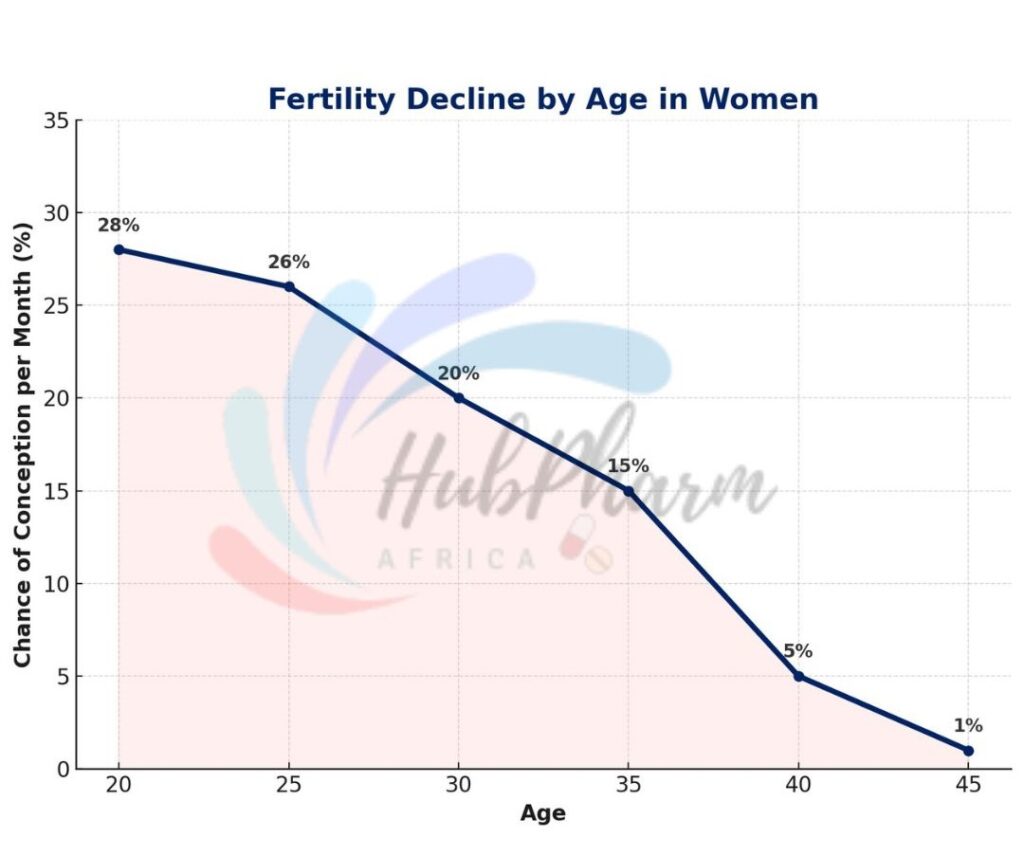
How Age Affects Fertility: What Every Woman in Her 20s, 30s & 40s Should Know
For many women, the journey to motherhood is deeply personal. But one biological truth remains: a woman’s age plays a major role in her fertility. Understanding how fertility changes over the decades can help you make informed choices, whether you’re planning for children now or in the future.
In this article, we break down how age affects fertility in your 20s, 30s, and 40s — and what you can do to maximize your chances of conceiving at each stage.
The Biology of Fertility and Age
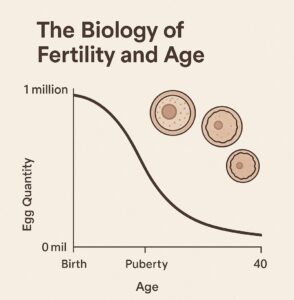
fertility and aging
Women are born with all the eggs they will ever have — about 1 to 2 million at birth. By puberty, that number drops to around 300,000, and only about 300–400 eggs will be released during a woman’s reproductive years.
With age:
- Egg quantity declines
- Egg quality decreases
- Hormonal changes affect ovulation and implantation
Reference: American College of Obstetricians and Gynecologists – Age and Fertility
Fertility in Your 20s: The Prime Years
- Egg quality: Highest in your 20s
- Ovulation: Most regular
- Pregnancy risks: Lowest for miscarriage, chromosomal issues, and pregnancy complications
- Chance of conception per month: Around 25–30% if healthy
Tips to boost fertility in your 20s:
- Eat a balanced fertility diet with leafy greens, whole grains, and healthy fats (Top Fertility-Boosting Foods in Africa)
- Maintain a healthy weight
- Avoid smoking and limit alcohol
Fertility in Your 30s: The Gradual Decline
By your early 30s, fertility remains high, but it starts to gradually decline. Around age 35, the decline accelerates.
- Egg quality: Slightly lower than in your 20s
- Chance of conception per month: Around 20% at age 30; drops to 15% by age 35
- Risks: Higher risk of miscarriage and genetic abnormalities, especially after 35
Tips to boost fertility in your 30s:
- Consider preconception testing (AMH test for ovarian reserve)
- Track ovulation with apps or kits
- Start trying earlier if you want multiple children
Fertility in Your 40s: The Steep Decline
Natural conception is still possible in your early 40s, but fertility drops sharply due to both egg quantity and quality.
- Chance of conception per month: Around 5% at age 40
- Egg quality: Higher risk of chromosomal abnormalities
- Menopause: Average onset is around 51, but perimenopause (cycle changes) can start in the 40s
Fertility options in your 40s:
- IVF with your own eggs or donor eggs
- Hormonal support and careful monitoring
- Healthy lifestyle to optimize your remaining fertility
Reference: WHO – Infertility and Age
What You Can Do at Any Age
- Maintain a healthy weight (BMI 20–24)
- Eat a nutrient-rich fertility diet (African fertility foods guide)
- Avoid smoking, excess caffeine, and alcohol
- Manage stress through yoga, meditation, or counseling
- Get regular reproductive health check-ups
Conclusion
Fertility is a combination of biology, lifestyle, and timing. While age does affect your chances of getting pregnant, there are many ways to maximize fertility and plan your reproductive future.
At HubPharm Africa, we connect women and couples to fertility specialists, nutritional support, and medical testing — helping you take control of your journey to parenthood.
📱 Visit HubPharm Africa to learn more or book a fertility consultation today.


