Fertility Myths Debunked: What African Couples Need to Know
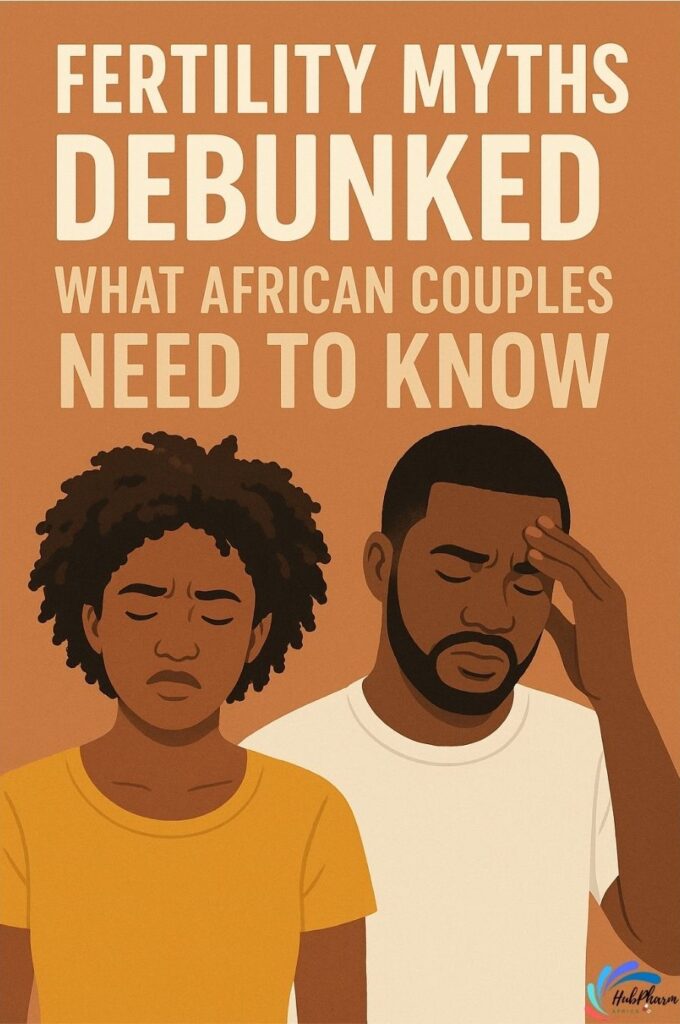
Fertility Myths Debunked: What African Couples Need to Know
In many African communities, fertility is deeply tied to cultural beliefs, traditions, and expectations. Unfortunately, fertility myths and misconceptions often prevent couples from seeking the right medical help. These myths can lead to delays in diagnosis, emotional distress, and strained relationships. At HubPharm Africa, we believe that knowledge is the first step to empowerment—especially when it comes to reproductive health.
Myth 1: Infertility Is Always the Woman’s Fault
Reality: Infertility affects both men and women equally. According to the World Health Organization (WHO), male factors contribute to about 40–50% of infertility cases. Conditions such as low sperm count, hormonal imbalances, and lifestyle choices can impact male fertility just as much as female factors like ovulation problems or blocked fallopian tubes.
Learn more about male fertility testing here: Male Reproductive Health.
Myth 2: If You Can Have One Child, You’ll Never Have Fertility Problems
Reality: This is called secondary infertility—the inability to conceive after already having one or more children. Infections, age, weight changes, or new health conditions can affect fertility even after a previous pregnancy. HubPharm’s fertility specialists can guide couples facing this challenge.
Myth 3: Fertility Drops Only After Age 40
Reality: For women, fertility starts declining after age 30, with a sharper drop after 35. Men’s fertility also declines gradually with age due to reduced sperm quality.
Tip: If you’re over 35 and have been trying for six months without success, consult a reproductive health expert.
Myth 4: Traditional Remedies Can Guarantee Pregnancy
Reality: While some herbal remedies may support general health, many lack scientific evidence and could even be harmful. In some cases, they delay proper diagnosis and treatment. It’s best to combine cultural wisdom with evidence-based medical care.
Discover safe fertility treatments here: HubPharm Fertility Solutions.
Myth 5: Certain Sexual Positions Guarantee Conception
Reality: There’s no scientific proof that specific sexual positions increase your chances of getting pregnant. What matters most is timing intercourse during the woman’s fertile window, which can be tracked through ovulation monitoring.
Myth 6: You Don’t Need Medical Help Until After Two Years of Trying
Reality: If you’ve been trying for 12 months (or 6 months if over 35) without success, it’s time to see a specialist. Early intervention increases the chances of identifying treatable conditions.
How HubPharm Africa Can Help
At HubPharm Africa, we provide:
- Fertility counseling and reproductive health education
- Access to safe, genuine medications for fertility treatments
- Lifestyle and nutrition coaching to support reproductive health
📲 Start your fertility journey today: www.hubpharmafrica.com
Conclusion
Fertility myths can hold couples back from getting the help they need. By understanding the facts, African couples can take proactive steps toward achieving their dreams of parenthood. Don’t let myths delay your future—get informed, get tested, and get the right support.


