What to Do When Your Face Is Itchy, Bumpy and Rash-Like
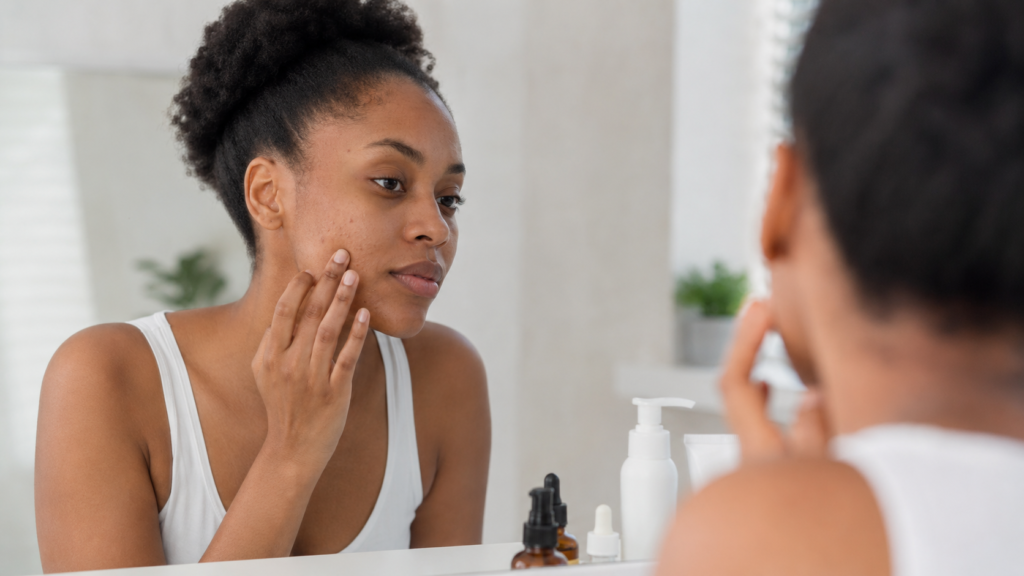
If your face is itchy, bumpy, and looks like a rash, it can be hard to know what is happening. You may think it is acne, heat rash, allergy, or a reaction to something you used on your skin. In some cases, it may even look like acne but behave differently. This is why people sometimes discover later that what they thought was acne may be fungal acne or folliculitis.
The most important thing to know is this: an itchy, rash-like face does not always mean regular acne. The cause could be irritation, allergy, fungal acne, eczema, blocked pores, sweat, or infection. The right treatment depends on the cause.
In this article, you will learn:
- Why your face may be itchy, bumpy, and rash-like
- How to tell if it may be acne, allergy, irritation, or fungal acne
- Common causes of itchy bumps on the face
- Treatment types that may help
- What to stop using when your face is irritated
- How to prevent it from coming back
- When to speak with a pharmacist or dermatologist
What Does an Itchy, Bumpy, Rash-Like Face Mean?
An itchy, bumpy face can mean different things. Sometimes it is a simple reaction to a new skincare product. Sometimes it is caused by heat, sweat, or blocked pores. Other times, it may be a skin condition that needs the right treatment.
It may be:
- Regular acne
- Fungal acne
- Contact dermatitis
- Folliculitis
- Eczema
- Heat rash
- Reaction to skincare products
- Reaction to medication
- Irritation from harsh soaps, scrubs, or bleaching creams
This is why guessing can be risky. If you use the wrong product, the bumps may get worse or keep coming back.
Why Your Face May Look Like Acne but Feel Like a Rash
Regular acne usually happens when pores become blocked with oil, dead skin cells, and bacteria. It may show as blackheads, whiteheads, pimples, or painful bumps.
But when the face is very itchy and the bumps look small, similar, and rash-like, it may not be regular acne. It could be irritation, allergy, fungal acne, or folliculitis.
Fungal acne is commonly called “fungal acne,” but it is not really acne. It is usually linked to yeast overgrowth around the hair follicles. It can look like tiny pimples, but it often feels itchy and may not respond to normal acne treatments.
Could It Be Fungal Acne?
Fungal acne may be possible if you have small itchy bumps that look alike and do not behave like your normal acne. It may appear on the forehead, cheeks, jawline, chest, back, shoulders, or around the hairline.
Signs that may suggest fungal acne include:
- Tiny bumps that look similar
- Itching more than pain
- Bumps that get worse with sweat or heat
- Breakouts that appear after using oily products
- Acne treatments not working
- Bumps that keep returning
- Rash-like pimples around the forehead, chest, or back
Fungal acne usually needs antifungal treatment, not regular acne antibiotics. If fungal acne is suspected, products like Nizoral Cream Ketoconazole or Nizoral Shampoo Ketoconazole may be recommended in some cases, but you should speak with a pharmacist before using them on the face.
Other Causes of Itchy Facial Bumps
Contact Dermatitis or Product Reaction
This happens when your skin reacts to something that touched it. It may be a new cream, sunscreen, soap, makeup, toner, serum, oil, hair product, or fragrance.
The face may feel itchy, hot, dry, swollen, rough, or rash-like.
Common triggers include:
- New skincare products
- Fragranced products
- Essential oils
- Harsh exfoliants
- Bleaching creams
- Sunscreen
- Makeup
- Hair creams touching the face
- Detergent from pillowcases or face towels
If the bumps started after a new product, stop that product first and keep your skincare simple.
Regular Acne
Regular acne can also cause bumps on the face, but it is not always very itchy. It may come with blackheads, whiteheads, oily skin, painful pimples, or inflamed spots.
For acne-related bumps, treatment may include benzoyl peroxide, azelaic acid, salicylic acid, or other acne products. HubPharm has acne options such as OXY 10 Cream Max Strength and Skinoren. These should be used carefully because acne treatments can irritate sensitive or already itchy skin.
Folliculitis
Folliculitis happens when hair follicles become inflamed. It can look like small pimples or rash-like bumps. It may be itchy, sore, or filled with pus.
Folliculitis can be caused by bacteria, yeast, shaving irritation, sweat, tight face coverings, or blocked follicles.
This is where proper advice matters. If it is bacterial folliculitis, it may need antibacterial treatment. If it is fungal folliculitis, it may need antifungal treatment. The two can look similar, but the treatment is not the same.
Eczema or Skin Barrier Damage
Sometimes the face becomes itchy and bumpy because the skin barrier is damaged. This can happen from over-exfoliating, using harsh soaps, using too many actives, or applying strong creams without guidance.
The skin may feel dry, tight, rough, flaky, or sensitive. In darker skin tones, irritation may also leave dark patches after the bumps calm down.
In this case, the first step is usually to stop harsh products and repair the skin barrier with gentle skincare.
Heat, Sweat, and Humidity
In hot weather, sweat and oil can build up on the skin. This can make bumps worse, especially if you wear makeup, sunscreen, face masks, helmets, or heavy creams.
Sweat can also worsen fungal acne because yeast tends to grow better in warm, oily, moist conditions.
If your bumps get worse after sweating, gym sessions, heat, or long hours outside, this may be part of the trigger.
How to Tell the Difference
| What You Notice | What It May Suggest |
|---|---|
| Tiny similar bumps with itching | Possible fungal acne or folliculitis |
| Blackheads and whiteheads | Regular acne |
| Rash after a new product | Contact dermatitis or irritation |
| Dry, flaky, itchy skin | Eczema or damaged skin barrier |
| Bumps after sweating or heat | Sweat rash, fungal acne, or folliculitis |
| Painful deep lumps | Inflamed acne or another skin condition |
| Swelling, burning, or spreading rash | Allergy or irritation needing urgent attention |
This table can guide you, but it does not replace proper diagnosis. If you are unsure, speak with a pharmacist or dermatologist.
What to Do First When Your Face Is Itchy and Bumpy
The first step is not to apply many products at once. That can make the skin worse.
Start with these simple steps:
Stop any new product you recently started using. This includes creams, oils, sunscreen, makeup, toners, serums, or exfoliants.
Use a gentle cleanser. Avoid scrubs, harsh soaps, bleaching creams, and strong acids while the skin is irritated.
Avoid scratching or picking. Scratching can worsen inflammation and increase the risk of infection or dark spots.
Keep the skin cool and clean. If sweat makes it worse, wash gently after sweating and change pillowcases often.
Avoid heavy oils on the face. If your bumps worsen after using oils or thick creams, stop them for now.
Do not use antibiotics or steroid creams anyhow. Wrong use can make some skin conditions worse, especially fungal-related bumps.
Treatment Types That May Help

The right treatment depends on the cause.
If It Is Fungal Acne
Fungal acne may need antifungal products. Treatment may include antifungal creams, antifungal washes, or in stubborn cases, oral antifungal medicine prescribed by a doctor.
Possible product options include Nizoral Cream Ketoconazole, Nizoral Shampoo Ketoconazole, or Meso-Ket Shampoo.
Do not use medicated shampoo on your face without guidance. A pharmacist can tell you if it is suitable and how to use it safely.
If It Is Regular Acne
If the bumps are regular acne, acne treatments may help. These may include benzoyl peroxide, azelaic acid, salicylic acid, or prescription acne treatment.
HubPharm options include OXY 10 Cream Max Strength and Skinoren.
Start slowly with acne products. If your face is already itchy and irritated, strong acne creams may burn or dry the skin more.
If It Is Contact Dermatitis or Allergy
If the bumps started after a new product, stop the suspected trigger. Use a gentle cleanser and simple moisturizer. A cool compress may help calm itching.
Some cases may need anti-itch medicine or a mild steroid cream, but steroid creams should not be used on the face without proper advice. The face is sensitive, and wrong use can thin the skin or worsen certain rashes.
If It Is Eczema or Skin Barrier Damage
Focus on calming and repairing the skin. Stop exfoliating for now. Avoid fragrance and harsh soaps. Use simple products and give your skin time to recover.
If the itching is severe or keeps returning, speak with a dermatologist.
If It Is Bacterial Folliculitis
Bacterial folliculitis may need antibacterial treatment, but this should be decided by a healthcare professional. Do not use random antibiotics on your face because fungal and bacterial folliculitis can look alike.
What to Avoid When Your Face Is Itchy, Bumpy, and Rash-Like
Avoid scrubbing your face. Scrubbing does not remove the rash. It can make the skin more inflamed.
Avoid using many active ingredients at once. Do not combine strong acids, retinoids, benzoyl peroxide, bleaching products, and scrubs when your skin is already angry.
Avoid lemon, toothpaste, baking soda, or harsh home remedies. These can burn or irritate the skin.
Avoid random steroid creams. Steroid creams can calm some rashes but worsen others, especially if fungal infection is involved.
Avoid picking and squeezing. This can lead to dark marks, wounds, and infection.
Avoid heavy oils if they trigger bumps. Some people notice itchy bumps worsen after applying oils or thick creams.
Avoid sleeping with makeup on. This can block pores and worsen irritation.
Simple Skincare Routine While Managing Itchy Facial Bumps
Keep your routine simple until you know what is causing the bumps.
Morning:
Use a gentle cleanser or rinse with water if your skin is very sensitive. Apply a light moisturizer. Use sunscreen if your skin can tolerate it.
Night:
Cleanse gently. Apply only the treatment recommended by your pharmacist or doctor. Moisturize lightly if your skin feels dry or tight.
Do not keep changing products every few days. Give your skin time to respond.
How to Prevent Itchy Bumps From Coming Back
To reduce the chance of itchy bumps returning:
- Patch test new skincare products
- Avoid heavy oils if they trigger bumps
- Wash pillowcases regularly
- Clean makeup brushes
- Avoid sleeping with makeup
- Cleanse after sweating
- Avoid over-exfoliating
- Use non-comedogenic skincare where possible
- Keep hair products away from your face
- Treat dandruff or scalp flaking if bumps appear near the forehead
- Speak with a pharmacist early if the bumps keep returning
If your itchy bumps always come back after heat, sweat, or oily products, mention this when speaking with a pharmacist. It can help them know whether fungal acne or folliculitis should be considered.
When to Speak With a Pharmacist or Dermatologist
Speak with a pharmacist or dermatologist if:
- The bumps keep coming back
- The rash spreads quickly
- Your face is swollen
- The area is painful or has pus
- The skin is crusting or bleeding
- The rash affects your eyes
- You have fever
- You are pregnant or breastfeeding
- You have diabetes or a weak immune system
- You are using strong medicines
- You have tried products and nothing is working
HubPharm Africa can help you check suitable product options and speak with a pharmacist before buying. This is important because fungal acne, regular acne, eczema, and allergy can look similar but need different treatment.
Conclusion
An itchy, bumpy, rash-like face is not always regular acne. It may be caused by skincare irritation, allergy, fungal acne, folliculitis, eczema, sweat, or blocked pores.
The safest first step is to stop harsh or new products, keep your skincare simple, avoid scratching, and get advice if the bumps do not settle. If fungal acne is suspected, antifungal products like Nizoral Cream Ketoconazole or Nizoral Shampoo Ketoconazole may help when used correctly. If it is regular acne, products like OXY 10 Cream Max Strength or Skinoren may be considered.
If you are unsure, speak with a HubPharm pharmacist before choosing a product.
FAQ
Why is my face itchy with small bumps?
Your face may be itchy with small bumps because of irritation, allergy, acne, fungal acne, folliculitis, eczema, heat, sweat, or a reaction to skincare products.
Can fungal acne appear on the face?
Yes. Fungal acne can appear on the face, especially as tiny itchy bumps that look similar. It may also appear on the forehead, chest, back, and shoulders.
How do I know if it is fungal acne or regular acne?
Fungal acne often appears as many small similar bumps and may itch. Regular acne may include blackheads, whiteheads, painful pimples, and oily skin. A pharmacist or dermatologist can help confirm.
What can I put on an itchy bumpy face?
Start with gentle skincare. Use a mild cleanser, avoid harsh products, and do not scratch. Treatment depends on the cause, so speak with a pharmacist if it does not improve.
Can skincare products cause itchy bumps on the face?
Yes. New creams, sunscreen, makeup, oils, toners, fragrance, exfoliants, and harsh soaps can irritate the skin or cause a rash-like reaction.
Should I use acne cream if my face is itchy and rash-like?
Be careful. If the cause is fungal acne, allergy, or irritation, some acne creams may not help and may worsen dryness or itching. Get advice before using strong acne products.
What should I avoid if my face is itchy and bumpy?
Avoid scrubbing, picking, heavy oils, harsh exfoliants, random steroid creams, antibiotics without prescription, and using many new products at once.
Can heat and sweat cause tiny itchy bumps on the face?
Yes. Heat, sweat, humidity, face masks, helmets, and heavy products can worsen bumps, especially if your skin is oily or prone to folliculitis.
How long does an itchy face rash take to clear?
It depends on the cause. Mild irritation may improve after stopping the trigger, while acne, fungal acne, eczema, or folliculitis may need proper treatment.
When should I see a doctor for itchy bumps on my face?
See a doctor or dermatologist if the rash spreads, becomes painful, has pus, affects your eyes, causes swelling, keeps returning, or does not improve with simple care.
Author
Kelvin is a Physiology graduate from the prestigious University of Ilorin, with a background spanning health science, therapy, and health communications. As Content creation Lead at HubPharm Africa, he brings a science-informed perspective to making health information accessible, accurate, and engaging. You can share your perspectives and/or feedback with Kelvin at kelvin@hubpharmafrica.com


