Understanding Ovulation: Your Fertility Window Explained
Ovulation is one of the most important processes in a woman’s reproductive health. Yet, many women are not fully aware of how ovulation works, when it happens, and how it influences their chances of conception. Understanding ovulation and your fertility window can help you take control of your reproductive health, whether you’re trying to conceive or simply want to know your body better.
In this article, we break down the science of ovulation, the signs to watch out for, and how to calculate your fertile window.
What is Ovulation?
Ovulation is the process where a mature egg is released from the ovary and becomes available for fertilization. Typically, this occurs once in every menstrual cycle, usually around day 14 of a 28-day cycle. However, every woman’s cycle is different—ovulation can happen earlier or later depending on hormonal balance, stress levels, medical conditions, and lifestyle.
After ovulation, the egg travels down the fallopian tube, where it may meet sperm and become fertilized. If fertilization doesn’t occur, the egg disintegrates, and the uterine lining is shed during menstruation.
What is the Fertility Window?
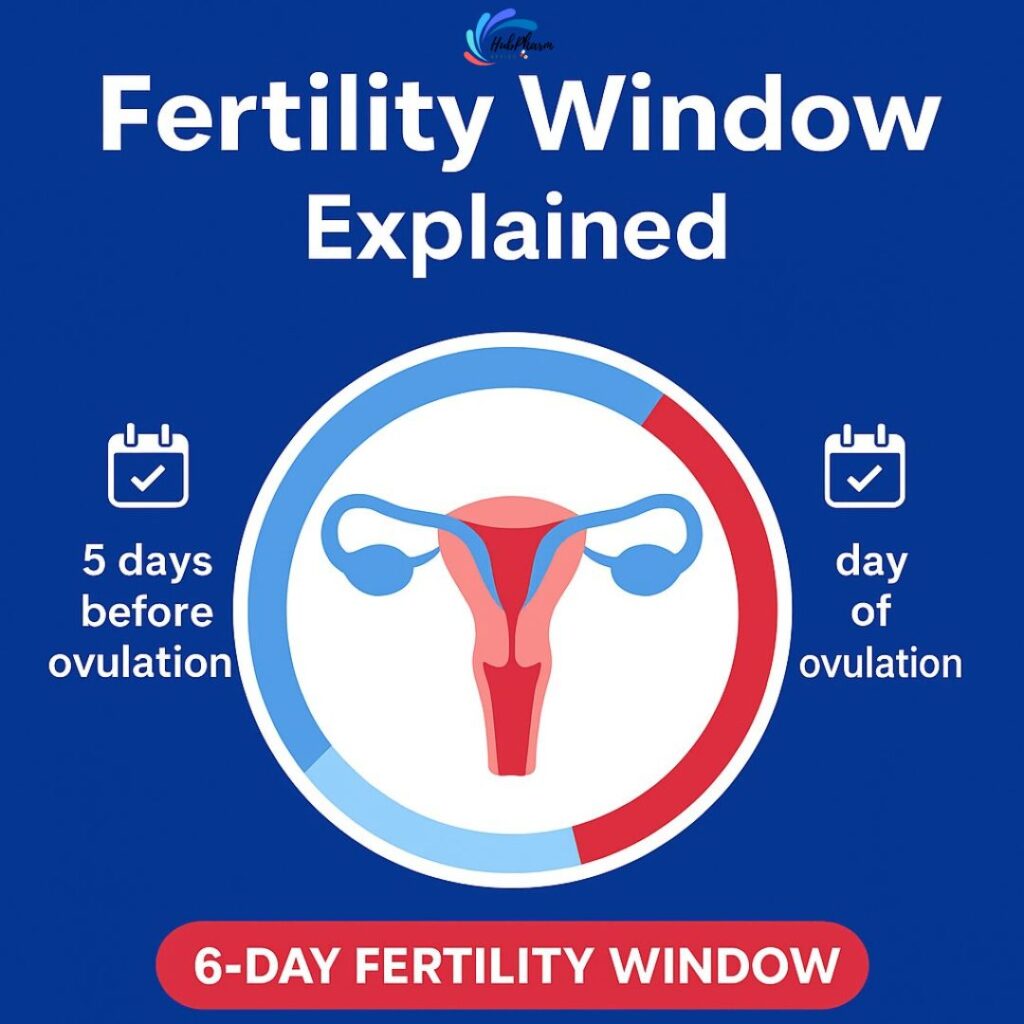
The fertility window is the period during which a woman is most likely to conceive. It generally covers the five days leading up to ovulation and the day of ovulation itself. This is because sperm can live inside the female reproductive system for up to 5 days, while the egg survives for about 12–24 hours after release.
So, if intercourse happens a few days before ovulation, sperm may still be present when the egg is released—boosting the chances of conception.
To put it simply: your fertility window is about 6 days in each cycle.
Signs and Symptoms of Ovulation
Knowing when you’re ovulating is key to understanding your fertility window. Some common signs include:
- Change in cervical mucus: Becomes clearer, more stretchy, and slippery (like raw egg whites).
- Mild pelvic or abdominal pain (known as mittelschmerz).
- Increased libido around mid-cycle.
- Slight rise in basal body temperature after ovulation.
- Breast tenderness or sensitivity.
These signs vary from woman to woman, and some may not notice any symptoms at all.
How to Track Ovulation
How to Track Ovulation
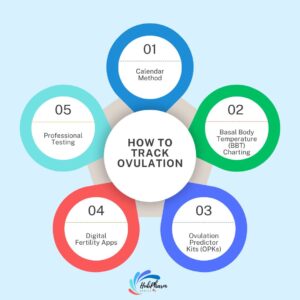
Tracking ovulation helps you identify your fertile days more accurately. Here are some methods:
- Calendar Method – Recording menstrual cycles to predict ovulation (works best with regular cycles).
- Basal Body Temperature (BBT) Charting – Measuring morning body temperature daily to detect the slight increase after ovulation.
- Ovulation Predictor Kits (OPKs) – Testing urine for luteinizing hormone (LH) surge, which occurs 24–36 hours before ovulation.
- Digital Fertility Apps – Apps like Clue, Flo, and Glow help track cycles and predict fertile days.
- Professional Testing – Consulting a healthcare provider for blood hormone tests or ultrasound monitoring.
At HubPharm Africa, we encourage women to track their reproductive health and seek professional advice if cycles are irregular or conception is delayed.
Factors That Can Affect Ovulation
Several lifestyle and medical conditions can influence ovulation, such as:
- Polycystic Ovary Syndrome (PCOS)
- Thyroid disorders
- Obesity or being underweight
- Stress and poor sleep
- Excessive exercise
- Certain medications
If you suspect any of these factors are affecting your cycle, consult a pharmacist or healthcare professional at HubPharm for guidance.
When to Seek Help
If you’ve been tracking ovulation and trying to conceive for 12 months (or 6 months if you’re over 35) without success, it may be time to consult a fertility expert. Early diagnosis of ovulation problems can save time and improve outcomes.
Conclusion
Understanding ovulation and your fertility window is a powerful way to manage reproductive health. Whether your goal is pregnancy planning or cycle awareness, paying attention to your body’s signs and using ovulation tracking methods can give you clarity and confidence.
At HubPharm Africa, we provide resources, medications, and personalized health coaching to support women on their fertility and wellness journey.