Type 2 Diabetes: Symptoms, Treatment and Management
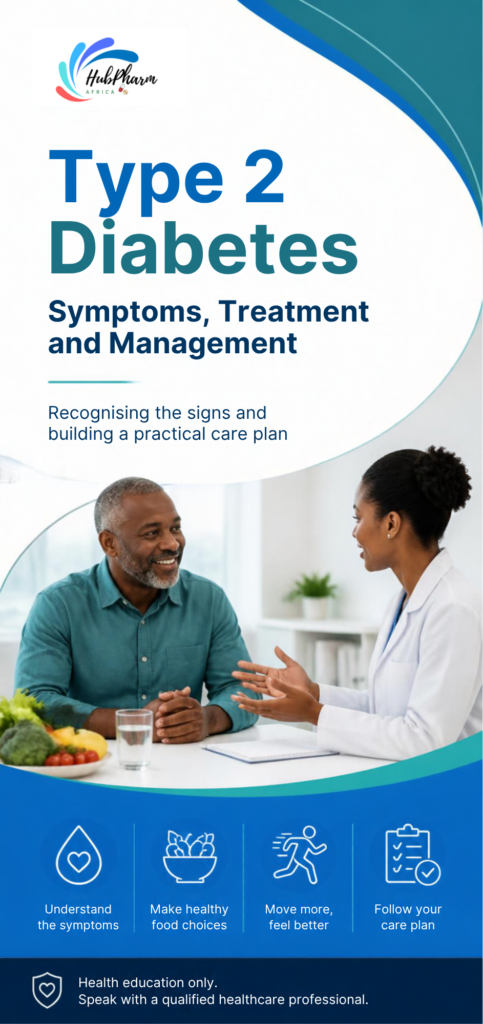
Type 2 diabetes is the most common form of diabetes. It develops when the body does not use insulin effectively and, over time, may also produce less insulin. As a result, glucose builds up in the blood.
Unlike Type 1 diabetes, Type 2 diabetes can develop gradually. Some people have few or no obvious symptoms for years, which means the condition may only be discovered during a routine blood test or after complications appear.
The good news is that Type 2 diabetes can be managed. Treatment combines healthy lifestyle habits, blood glucose monitoring when appropriate, and medication when needed. The right approach depends on the person’s health, treatment goals and other medical conditions.
What Is Type 2 Diabetes?
Type 2 diabetes occurs when the body becomes less responsive to insulin, a condition known as insulin resistance.
The pancreas initially tries to compensate by producing more insulin. Over time, however, insulin production may not be enough to keep blood glucose within the desired range.
When this happens, glucose remains in the bloodstream instead of moving efficiently into cells.
Type 2 diabetes is different from Type 1 diabetes. Type 1 diabetes involves an autoimmune process that destroys insulin-producing cells, while Type 2 diabetes primarily involves insulin resistance and progressive problems with insulin production.
What Causes Type 2 Diabetes?
There is no single cause of Type 2 diabetes.
Several factors can contribute to the development of the condition, including:
- Family history of diabetes
- Increasing age
- Physical inactivity
- Previous gestational diabetes
- Certain genetic factors
- High blood pressure
- Abnormal cholesterol or triglyceride levels
- Excess body fat
Having one or more risk factors does not mean that someone will definitely develop diabetes.
Similarly, Type 2 diabetes should not be viewed simply as a consequence of personal lifestyle choices. Genetics, environment, access to healthy food, healthcare and many other factors can influence risk.
Symptoms of Type 2 Diabetes
Type 2 diabetes can develop slowly, and symptoms may be mild.
Possible symptoms include:
- Increased thirst
- Frequent urination
- Increased hunger
- Tiredness
- Blurred vision
- Unexplained weight loss
- Slow-healing wounds
- Recurrent infections
Some people have no noticeable symptoms at all.
That is why people with risk factors may benefit from discussing diabetes screening with a healthcare professional.
How Is Type 2 Diabetes Diagnosed?
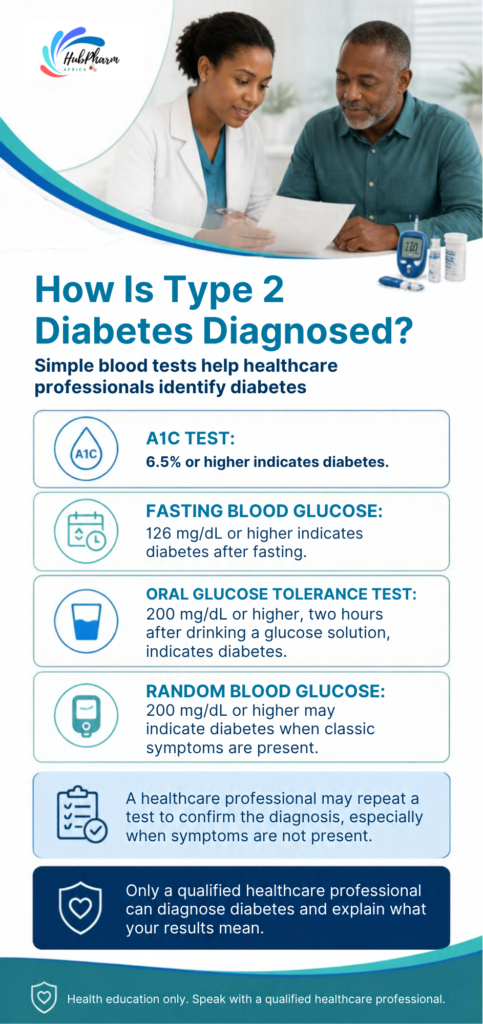
A healthcare professional can diagnose diabetes using blood glucose tests.
Common tests include:
- Fasting plasma glucose
- HbA1c
- Oral glucose tolerance test
- Random plasma glucose in appropriate clinical situations
HbA1c provides an estimate of average blood glucose over the previous two to three months.
The appropriate test depends on the person’s symptoms, medical history and clinical circumstances.
A diagnosis should be made by a qualified healthcare professional rather than through symptoms alone.
Can Type 2 Diabetes Be Prevented?
In many people at increased risk, lifestyle changes can help delay or prevent Type 2 diabetes.
Important habits include:
Stay physically active
Regular physical activity can improve insulin sensitivity and support overall cardiovascular health.
Eat a balanced diet
A healthy eating pattern can help with blood glucose management and cardiovascular risk.
Focus on a varied diet that includes vegetables, fruits, whole grains, legumes and other nutritious foods while limiting excessive intake of highly processed foods and added sugars.
Attend recommended health checks
Early identification of elevated blood glucose provides an opportunity to take action before diabetes or its complications progress.
WHO identifies healthy eating and regular physical activity as important components of preventing or delaying Type 2 diabetes.
How Is Type 2 Diabetes Treated?
Treatment is personalised.
For some people, lifestyle changes may be an important starting point. Others need medication soon after diagnosis, while some people eventually require several treatments to maintain their blood glucose targets.
The American Diabetes Association’s 2026 Standards of Care recommends a person-centred approach when choosing glucose-lowering treatment. Factors include cardiovascular and kidney health, risk of low blood glucose, treatment burden, cost, access, tolerability and individual preferences.
This means there is no single diabetes medicine that is best for everyone.
Medicines for Type 2 Diabetes
Several categories of medicines can help manage Type 2 diabetes.
Depending on the person’s circumstances, a healthcare professional may consider:
- Medicines that improve the body’s response to insulin
- Medicines that increase insulin release
- Medicines that reduce glucose production
- Medicines that increase glucose removal through the kidneys
- Injectable therapies that affect appetite, digestion and glucose regulation
- Insulin when additional insulin is required
The choice depends on the individual’s blood glucose levels, other health conditions, treatment goals and response to therapy.
For people without other factors that determine medication choice, metformin remains a commonly used treatment, according to the ADA’s 2026 Standards of Care. However, modern diabetes treatment increasingly considers cardiovascular, kidney and other benefits when selecting therapy.
Some people with Type 2 diabetes may benefit from medicines that belong to the GLP-1 receptor agonist or SGLT2 inhibitor classes, particularly when cardiovascular or kidney conditions are also present.
Medication decisions should always be made with a qualified healthcare professional.
When Is Insulin Needed?
Not everyone with Type 2 diabetes needs insulin.
However, insulin may become necessary when the pancreas cannot produce enough insulin to maintain appropriate blood glucose levels.
The ADA recommends considering insulin when someone has significant hyperglycaemia, particularly when blood glucose is very high or symptoms of hyperglycaemia and other signs of severe metabolic disturbance are present.
Some people may also eventually need insulin because Type 2 diabetes is a progressive condition.
Needing insulin does not mean that someone has failed at managing diabetes. It simply means that their treatment needs have changed.
Blood Glucose Monitoring
Monitoring blood glucose can help people and their healthcare teams understand how treatment is working.
Depending on the treatment plan, monitoring may involve:
- A blood glucose meter
- Test strips
- A continuous glucose monitor
- Periodic HbA1c testing
Not everyone with Type 2 diabetes needs to monitor their glucose in exactly the same way.
Your healthcare professional can determine what monitoring is appropriate based on your treatment and health needs.
Understanding HbA1c
HbA1c is an important test in diabetes care.
Rather than showing your blood glucose at one specific moment, it provides information about average blood glucose over approximately two to three months.
Healthcare professionals use HbA1c alongside other information to assess diabetes control and determine whether treatment needs to change.
Your target should be individualised rather than copied from another person with diabetes.
Type 2 Diabetes and Weight Management
Weight management can be an important part of Type 2 diabetes care for people who have overweight or obesity.
However, diabetes management should not be reduced to weight alone.
The ADA’s 2026 guidance recognises weight management as a distinct treatment goal because it can influence blood glucose, cardiovascular risk and other aspects of health.
A healthcare professional can help determine appropriate and realistic goals based on the individual’s circumstances.
Type 2 Diabetes and Heart Health
Diabetes affects more than blood glucose.
People with diabetes have an increased risk of cardiovascular problems, including heart disease and stroke.
For this reason, diabetes care should also consider:
- Blood pressure
- Cholesterol
- Smoking
- Physical activity
- Kidney health
- Cardiovascular risk
Some modern diabetes medicines provide benefits beyond lowering blood glucose, particularly for people with established or high cardiovascular risk.
Type 2 Diabetes and Kidney Health
High blood glucose can damage the small blood vessels in the kidneys over time.
People with diabetes therefore need appropriate kidney monitoring.
Kidney health is also important when selecting diabetes treatment because some medicines have particular benefits or precautions related to kidney function. The ADA recommends considering kidney health when choosing glucose-lowering therapy.
Eye and Foot Care
Diabetes can affect blood vessels and nerves throughout the body.
Over time, complications may affect the:
- Eyes
- Kidneys
- Nerves
- Feet
- Heart and blood vessels
Regular medical reviews can help detect complications early. WHO notes that diabetes can contribute to vision loss, kidney failure, cardiovascular disease, nerve damage and foot problems.
Good diabetes care therefore involves more than checking blood glucose.
What Happens If Type 2 Diabetes Is Poorly Controlled?
Persistently elevated blood glucose can damage blood vessels and nerves.
Over time, this can increase the risk of:
- Heart disease
- Stroke
- Kidney disease
- Vision problems
- Nerve damage
- Foot ulcers
- Other diabetes-related complications
However, having Type 2 diabetes does not mean that complications are inevitable.
Regular care, appropriate treatment and early management of risk factors can help reduce the risk of serious complications.
Type 2 Diabetes Medicines and Monitoring Supplies
People managing Type 2 diabetes may need access to prescribed medicines as well as monitoring supplies.
These can include:
- Blood glucose meters
- Test strips
- Lancets
- Continuous glucose monitoring supplies
- Prescribed oral diabetes medicines
- Prescribed injectable diabetes treatments
- Insulin, when required
At HubPharm, this category includes medicines and diabetes products such as those listed under the company’s Type 2 Diabetes and Devices & Monitoring Supplies services.
Because diabetes treatment varies considerably from person to person, patients should use medicines only according to their healthcare professional’s instructions.
Managing Type 2 Diabetes Every Day
Living with Type 2 diabetes involves regular decisions.
A practical routine may include:
- Taking prescribed treatment consistently
- Following your agreed monitoring plan
- Eating a balanced diet
- Staying physically active
- Attending medical appointments
- Keeping track of important test results
- Looking after your feet
- Following recommended eye and kidney checks
- Asking questions when your treatment changes
Diabetes education can make these tasks easier to understand and maintain.
When Should You Speak to a Healthcare Professional?
Arrange a medical assessment if you notice symptoms such as persistent thirst, frequent urination, unexplained weight changes, unusual tiredness or blurred vision.
You should also discuss diabetes screening if you have important risk factors or have previously been told that your blood glucose is elevated.
If you already have Type 2 diabetes, contact your healthcare team when your treatment no longer seems to be controlling your blood glucose or when you experience concerning symptoms.
How HubPharm Can Support Type 2 Diabetes Care
Managing Type 2 diabetes requires ongoing access to reliable information, prescribed treatment and monitoring.
HubPharm Africa supports patients managing chronic conditions through pharmacist-led medication support and access to diabetes-related medicines and monitoring products.
If you have questions about a prescribed diabetes medicine, monitoring device or your medication routine, speak with a qualified HubPharm pharmacist.
Your pharmacist can help you understand your prescribed treatment and identify when a question needs to be referred back to your doctor or diabetes care team.
Frequently Asked Questions
Is Type 2 diabetes curable?
Type 2 diabetes is a chronic condition. However, some people can achieve remission, while others require ongoing treatment to manage their blood glucose. Management should be individualised.
Can someone have Type 2 diabetes without symptoms?
Yes. Type 2 diabetes can produce mild symptoms or no obvious symptoms for years.
Do all people with Type 2 diabetes need insulin?
No. Treatment varies between individuals. Some people manage their condition without insulin, while others may eventually require it.
Is Type 2 diabetes only caused by eating sugar?
No. Type 2 diabetes has multiple contributing factors, including genetics, age, physical activity, metabolic health and environmental factors.
Can Type 2 diabetes affect the kidneys?
Yes. Diabetes can damage the kidneys over time, which is why kidney health is an important part of diabetes care.
Can Type 2 diabetes affect the eyes?
Yes. Diabetes can damage blood vessels in the eyes and may lead to vision problems if complications are not identified and managed.
The Bottom Line
Type 2 diabetes develops when the body does not use insulin effectively and, over time, may not produce enough insulin to maintain healthy blood glucose levels.
Because symptoms can be mild or absent, early diagnosis matters.
Treatment usually combines healthy lifestyle habits with personalised medical care. Depending on the person’s needs, treatment may include one or more glucose-lowering medicines or insulin. Modern diabetes care also considers cardiovascular health, kidney function, treatment safety and the person’s individual circumstances.
If you have symptoms or risk factors for Type 2 diabetes, speak with a healthcare professional about appropriate testing.
Medical note: This article is for health education and does not replace diagnosis, prescription or individual medical advice. Diabetes medicines and insulin should only be used according to the instructions of a qualified healthcare professional.
References
- World Health Organization (WHO). Diabetes: Questions and Answers.
- World Health Organization (WHO). Diabetes Fact Sheet.
- American Diabetes Association Professional Practice Committee. 9. Pharmacologic Approaches to Glycemic Treatment: Standards of Care in Diabetes—2026. Diabetes Care. 2026;49(Suppl. 1):S183–S215.
- American Diabetes Association Professional Practice Committee. 3. Prevention or Delay of Diabetes and Associated Comorbidities: Standards of Care in Diabetes—2026.
- World Health Organization. WHO updates list of essential medicines to include key cancer, diabetes treatments.2025.