Type 1 Diabetes: Symptoms, Treatment and Insulin
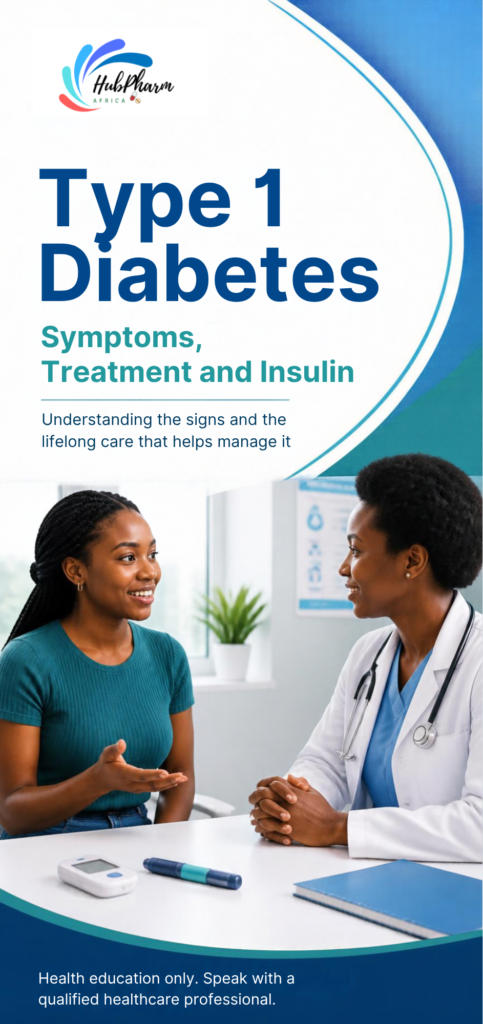
Type 1 diabetes is a chronic condition in which the pancreas produces little or no insulin. Insulin is essential because it helps glucose move from the bloodstream into the body’s cells, where it provides energy.
Unlike type 2 diabetes, Type 1 diabetes is generally caused by an autoimmune process that damages the insulin-producing cells in the pancreas. It can develop at any age, although it is often diagnosed in children, teenagers and young adults.
The good news is that Type 1 diabetes can be managed effectively. With insulin treatment, blood glucose monitoring, diabetes education and regular medical care, people with Type 1 diabetes can manage their condition and live active lives.
What Is Type 1 Diabetes?
Type 1 diabetes occurs when the body’s immune system attacks the cells in the pancreas that produce insulin.
As insulin production falls, glucose remains in the bloodstream instead of entering cells efficiently. Blood glucose then rises, while the body’s cells cannot access enough glucose for energy.
People with Type 1 diabetes need insulin every day because their bodies cannot produce enough insulin on their own. Insulin may be delivered through injections or an insulin pump.
Type 1 diabetes is different from Type 2 diabetes. Type 2 diabetes primarily involves insulin resistance and a gradual decline in insulin production, while Type 1 diabetes involves severe insulin deficiency caused by the destruction of insulin-producing cells.
What Causes Type 1 Diabetes?
The exact cause of Type 1 diabetes is not completely understood.
Researchers believe that a combination of genetic and environmental factors contributes to the autoimmune process. Having a family member with Type 1 diabetes can increase risk, but many people diagnosed with the condition have no close family history.
Importantly, Type 1 diabetes is not caused by eating too much sugar or by simply having an unhealthy lifestyle.
It also cannot currently be prevented in the general population.
Symptoms of Type 1 Diabetes
Type 1 diabetes symptoms can develop quickly, sometimes over a period of weeks or months.
Common symptoms include:
- Frequent urination
- Excessive thirst
- Increased hunger
- Unexplained weight loss
- Extreme tiredness
- Blurred vision
- Irritability or mood changes
Some people may also experience nausea, vomiting or abdominal pain.
In children, new or increased bed-wetting can sometimes be a warning sign.
Because symptoms can appear quickly, unexplained changes in thirst, urination, energy or weight deserve medical attention.
When Is Type 1 Diabetes an Emergency?
Very high blood glucose combined with insufficient insulin can cause diabetic ketoacidosis (DKA).
DKA is a serious and potentially life-threatening complication of diabetes. It occurs when the body starts producing high levels of ketones because it cannot use glucose properly for energy.
Warning signs can include:
- Nausea or vomiting
- Abdominal pain
- Very high blood glucose
- Excessive thirst and urination
- Deep or rapid breathing
- Severe weakness or tiredness
- Confusion or unusual drowsiness
If these symptoms occur in someone with known or suspected Type 1 diabetes, seek urgent medical care.
DKA can sometimes be the first presentation of Type 1 diabetes, particularly when the condition has not yet been diagnosed.
How Is Type 1 Diabetes Diagnosed?
Healthcare professionals diagnose diabetes using blood glucose measurements.
Depending on the clinical situation, testing may include:
- Fasting plasma glucose
- Random plasma glucose
- Oral glucose tolerance testing
- HbA1c
When someone has classic symptoms of high blood glucose, a random plasma glucose test can help support diagnosis. The choice of test depends on the person’s symptoms and clinical circumstances.
Doctors may also use additional tests to help determine whether diabetes is Type 1 or another form of diabetes.
For people at increased risk of Type 1 diabetes, newer approaches can identify diabetes-related autoantibodies before symptoms appear.
Why Is Insulin Essential for Type 1 Diabetes?
Insulin is the foundation of Type 1 diabetes treatment.
Without sufficient insulin, glucose cannot move effectively from the bloodstream into cells. As a result, blood glucose rises and the body begins using other sources of energy.
People with Type 1 diabetes therefore need daily insulin to stay alive.
Insulin treatment is personalised. A healthcare professional considers factors such as blood glucose patterns, meals, physical activity, age and other health needs when developing an insulin plan.
Do not change insulin doses without guidance from your diabetes care team.
Types of Insulin Used for Type 1 Diabetes
Several types of insulin are available.
They differ in how quickly they start working and how long their effects last. Healthcare professionals may use combinations of insulin to provide coverage throughout the day and around meals.
Common categories include:
Rapid-acting insulin
Rapid-acting insulin begins working relatively quickly and is commonly used around meals.
Examples include insulin aspart and other rapid-acting formulations.
Short-acting insulin
Short-acting or regular insulin has a slower onset than rapid-acting insulin and may be used in particular treatment plans.
Intermediate-acting insulin
Intermediate-acting insulin provides longer coverage than short-acting insulin.
Long-acting insulin
Long-acting insulin provides extended background insulin coverage.
Examples include insulin glargine and insulin degludec.
The specific insulin and combination should always follow the prescription and treatment plan provided by a qualified healthcare professional.
Blood Glucose Monitoring
Monitoring blood glucose helps people with Type 1 diabetes understand how their glucose levels respond to insulin, food, physical activity, illness and other factors.
Monitoring may involve:
- A blood glucose meter
- Finger-stick testing
- A continuous glucose monitor (CGM)
Some people use CGM technology to track glucose levels throughout the day. Others use traditional blood glucose meters.
Your healthcare team can recommend an appropriate monitoring approach and explain your individual glucose targets.
Low Blood Sugar and High Blood Sugar
Blood glucose can move above or below the desired range.
Hypoglycaemia
Hypoglycaemia means blood glucose is too low. A glucose level below 70 mg/dL (3.9 mmol/L) is commonly considered low.
Possible symptoms include:
- Shaking
- Sweating
- Hunger
- Dizziness
- Irritability
- Difficulty concentrating
- Weakness
People using insulin should learn from their healthcare team how to recognise and manage low blood glucose.
Hyperglycaemia
Hyperglycaemia means blood glucose is too high.
Persistent high blood glucose can increase the risk of long-term complications. Very high glucose combined with insufficient insulin can also contribute to DKA.
For this reason, regular monitoring and adherence to the prescribed treatment plan are important.
Food and Type 1 Diabetes
Having Type 1 diabetes does not mean that a person must completely avoid particular foods.
Instead, people usually learn how different foods affect their blood glucose and how their prescribed insulin plan relates to meals.
Diabetes education can help people understand:
- Carbohydrate-containing foods
- Meal planning
- Insulin and meals
- Physical activity
- Blood glucose patterns
- Managing diabetes during illness
A registered dietitian or diabetes educator can provide personalised guidance.
Physical Activity and Type 1 Diabetes
Physical activity can be part of a healthy lifestyle for people with Type 1 diabetes.
However, exercise can affect blood glucose levels, and insulin needs may vary depending on the activity.
People with Type 1 diabetes should discuss exercise and glucose management with their healthcare team, particularly if they are starting a new activity or experiencing repeated episodes of low or high blood glucose.
The goal is to make physical activity a safe and sustainable part of diabetes management.
Managing Type 1 Diabetes Every Day
Type 1 diabetes requires ongoing attention.
Daily management may involve:
- Taking prescribed insulin
- Monitoring blood glucose
- Planning meals
- Staying physically active
- Recognising low and high blood glucose
- Keeping diabetes supplies available
- Attending medical appointments
- Monitoring for possible complications
Diabetes self-management education can make these responsibilities easier to understand and manage. A diabetes care team may include a doctor, diabetes educator, pharmacist, dietitian, eye specialist and other healthcare professionals.
Can Type 1 Diabetes Cause Complications?
High blood glucose over time can damage blood vessels and nerves.
Potential complications include problems affecting the:
- Eyes
- Kidneys
- Heart and blood vessels
- Nerves
- Feet
Regular monitoring helps healthcare professionals identify problems early and manage risk factors. WHO recommends regular assessment for diabetes-related complications as part of comprehensive diabetes care.
Good glucose management is therefore about more than today’s blood sugar reading. It also helps protect long-term health.
Type 1 Diabetes Medicines and Supplies
Insulin is the essential medicine for Type 1 diabetes.
Depending on the treatment plan, patients may also need diabetes-monitoring supplies such as:
- Blood glucose meters
- Test strips
- Lancets
- Insulin pens
- Syringes
- Continuous glucose monitoring supplies
HubPharm’s diabetes and endocrine service includes support for Type 1 diabetes medicines and monitoring supplies, including insulin products such as NovoRapid, Lantus, Humulin R, Actrapid, Toujeo and Tresiba, subject to availability and prescription requirements.
The correct insulin depends on the individual’s prescription. Do not substitute one insulin for another or change your dose without professional advice.
Getting Type 1 Diabetes Support From HubPharm
Managing Type 1 diabetes involves more than obtaining insulin. Reliable access to prescribed medicines and monitoring supplies can also make day-to-day management easier.
At HubPharm Africa, our pharmacists can help patients understand their prescribed medicines, navigate medication-related questions and maintain continuity of their treatment.
If you need help finding a prescribed insulin or diabetes-monitoring supply, talk to a HubPharm pharmacist →.
You can also link this section internally to HubPharm’s Type 1 Diabetes, insulin, diabetes devices and pharmacist support pages.
Frequently Asked Questions
Is Type 1 diabetes the same as Type 2 diabetes?
No. Type 1 diabetes occurs when the body’s immune system damages insulin-producing cells, resulting in little or no insulin production. Type 2 diabetes primarily involves insulin resistance and declining insulin production.
Do people with Type 1 diabetes need insulin every day?
Yes. People with Type 1 diabetes require daily insulin because their bodies cannot produce enough insulin on their own.
Can adults develop Type 1 diabetes?
Yes. Although Type 1 diabetes is frequently diagnosed in children and young adults, it can develop at any age.
Can Type 1 diabetes be prevented?
There is currently no established way to prevent Type 1 diabetes in the general population.
Can people with Type 1 diabetes live normal lives?
Type 1 diabetes requires lifelong management, but effective treatment and ongoing care can help people manage the condition and live active, healthy lives.
What happens if someone with Type 1 diabetes stops taking insulin?
Insulin is essential for people with Type 1 diabetes. A lack of insulin can cause dangerously high blood glucose and may lead to diabetic ketoacidosis, which requires urgent medical treatment.
The Bottom Line
Type 1 diabetes is an autoimmune condition in which the pancreas produces little or no insulin. It can develop at any age and may cause symptoms such as excessive thirst, frequent urination, unexplained weight loss and severe tiredness.
Insulin is essential for people with Type 1 diabetes. Regular blood glucose monitoring, diabetes education, healthy eating, physical activity and ongoing medical care all contribute to effective management.
If you or someone in your family has symptoms of Type 1 diabetes, seek medical assessment rather than trying to diagnose the condition at home. If someone has symptoms suggestive of DKA, seek urgent medical care.
Medical note: This article is for health education and does not replace diagnosis, prescription or individual medical advice. Insulin and other diabetes treatments should be used according to a qualified healthcare professional’s instructions.
References
- World Health Organization (WHO). Diabetes: Questions and Answers. September 2026. WHO — Diabetes Questions and Answers
- World Health Organization (WHO). Diabetes — Health Topic. WHO — Diabetes
- Centers for Disease Control and Prevention (CDC). Type 1 Diabetes. September 2026. CDC — Type 1 Diabetes
- Centers for Disease Control and Prevention (CDC). Symptoms of Diabetes. CDC — Symptoms of Diabetes
- Centers for Disease Control and Prevention (CDC). Just Diagnosed With Type 1 Diabetes. CDC — Just Diagnosed With Type 1 Diabetes
- Centers for Disease Control and Prevention (CDC). Types of Insulin. CDC — Types of Insulin