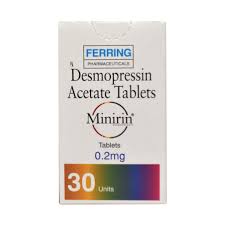
Desmopressin Tablets (Desmopressin Acetate)
₦60,000.00
Buy Desmopressin Tablets Online in Nigeria – Treatment for Diabetes Insipidus, Nocturia and Bedwetting
Buy Desmopressin tablets online from HubPharm Africa, a PCN licensed specialty pharmacy. Desmopressin acetate is a synthetic analogue of vasopressin, the natural antidiuretic hormone. It is used to treat central (cranial) diabetes insipidus, primary nocturnal enuresis in children aged 5 years and above, and nocturia associated with nocturnal polyuria in adults.
Desmopressin reduces the volume of urine the kidneys produce and increases its concentration. In central diabetes insipidus it replaces the hormone the body cannot make in sufficient quantity. In bedwetting and nocturia it suppresses overnight urine production so that the bladder is not overwhelmed during sleep. Compared with natural vasopressin, desmopressin has a longer duration of action and almost no effect on blood pressure.
This medicine requires careful attention to fluid intake. Because it makes the body retain water, drinking freely around a dose can lower blood sodium to dangerous levels. Every HubPharm order is reviewed by a pharmacist who will explain the fluid restriction rules, the warning signs of hyponatraemia and the situations in which a dose must be withheld. Same-day delivery within Lagos, 48 hours nationwide.
Key Features
- Targeted Antidiuretic Action: Desmopressin acts selectively on renal V2 receptors, concentrating urine without the vasoconstrictor effect associated with natural vasopressin.
- Three Established Indications: Central diabetes insipidus, primary nocturnal enuresis in children aged 5 and above, and nocturia due to nocturnal polyuria in adults.
- Convenient Oral Dosing: Tablets offer a practical alternative to intranasal and injectable presentations for long-term management.
- Pharmacist-Led Fluid Safety Counselling: Every patient receives written guidance on the fluid restriction window and the early symptoms of low blood sodium, which is the single most important safety issue with this medicine.
- Prescription Verified Before Dispatch: A HubPharm pharmacist confirms indication, dose and monitoring plan with every order.
Frequently Asked Questions
What are desmopressin tablets used for?
They are used for central (cranial) diabetes insipidus, for primary nocturnal enuresis (bedwetting) in children aged 5 years and above, and for nocturia associated with nocturnal polyuria in adults.
How does desmopressin work?
It stimulates V2 receptors in the collecting ducts of the kidney, which inserts aquaporin water channels into the tubular membrane. Water is reabsorbed back into the body, urine volume falls and urine becomes more concentrated.
What strengths are available?
Desmopressin tablets are commonly supplied as 0.1mg and 0.2mg. Sublingual melt preparations are also available at different equivalent strengths. Take only the strength and form written on your prescription, as they are not interchangeable milligram for milligram.
How much fluid can I drink when taking desmopressin?
This is the critical safety rule. For bedwetting and nocturia, fluid intake must be limited from 1 hour before the dose until at least 8 hours after it. Drinking freely during this window can cause water retention and dangerously low blood sodium.
What are the warning signs of low sodium?
Headache, nausea, vomiting, unusual tiredness, confusion, irritability, muscle cramps, unexplained weight gain, and in severe cases seizures or reduced consciousness. Stop the medicine and seek medical attention immediately if these occur.
When should a dose be withheld?
Desmopressin should be temporarily stopped during any illness causing fluid or electrolyte imbalance, including vomiting, diarrhoea, fever, or systemic infection, and in situations of heavy exertion or heat exposure where fluid intake will be high. Restart only on medical advice.
Can children take desmopressin for bedwetting?
Yes, from 5 years of age, after other causes have been excluded and behavioural measures such as an enuresis alarm have been considered. The fluid restriction rule must be understood and enforced by the parent or carer.
How long is treatment for bedwetting continued?
Treatment is usually reviewed after 3 months with a period off the medicine to assess whether the child has outgrown the problem. Long-term use is possible but should be reassessed regularly.
Should desmopressin be taken with food?
Food reduces the absorption of desmopressin tablets. Take them consistently, either always with food or always without, as directed, so the effect stays predictable.
Who should not take desmopressin?
It should not be used in habitual or psychogenic polydipsia, in cardiac insufficiency or other conditions requiring diuretic treatment, in moderate to severe renal impairment, in known hyponatraemia, or in the syndrome of inappropriate antidiuretic hormone secretion.
Does desmopressin interact with other medicines?
Yes. The risk of hyponatraemia is increased by tricyclic antidepressants, selective serotonin reuptake inhibitors, chlorpromazine, carbamazepine, opioids and non-steroidal anti-inflammatory drugs. Tell your pharmacist everything you take.
How should desmopressin tablets be stored?
Store below 25°C in the original pack, protected from light and moisture, and out of the sight and reach of children.
Description
Desmopressin Tablets – Full Product Information
Active ingredient: Desmopressin acetate, a synthetic structural analogue of arginine vasopressin.
Presentation: Oral tablets, commonly 0.1mg and 0.2mg. Sublingual and intranasal presentations are also available and are not dose-equivalent.
Indications: Central (cranial) diabetes insipidus. Primary nocturnal enuresis in patients aged 5 years and above. Nocturia associated with nocturnal polyuria in adults.
Legal category: Prescription only medicine.
How Desmopressin Works
Desmopressin is a modified form of vasopressin in which deamination at position 1 and substitution of D-arginine at position 8 extend the duration of action and remove almost all activity at V1 vascular receptors. It acts selectively on V2 receptors in the renal collecting duct, triggering a cyclic AMP cascade that inserts aquaporin-2 water channels into the luminal membrane. Water is then reabsorbed down the osmotic gradient into the interstitium, urine volume falls and urine osmolality rises. In central diabetes insipidus this substitutes for absent endogenous hormone. In nocturnal enuresis and nocturia it suppresses overnight urine production so that bladder capacity is not exceeded during sleep.
Storage and Handling
Store below 25°C in the original pack, protected from light and moisture. Keep out of the sight and reach of children. Do not use after the expiry date shown on the packaging. Return unused medicine to a pharmacy for safe disposal.
Safety Information
The principal hazard of desmopressin is water intoxication and hyponatraemia. Fluid intake must be restricted from 1 hour before until at least 8 hours after each dose when the medicine is used for enuresis or nocturia. Do not use in habitual or psychogenic polydipsia, cardiac failure or other conditions treated with diuretics, moderate to severe renal impairment, known hyponatraemia, or SIADH. Withhold the dose during any condition causing fluid or electrolyte imbalance, including vomiting, diarrhoea, fever, systemic infection, or intense physical exertion. Serum sodium should be checked before starting in older adults and monitored during treatment where clinically indicated. Concomitant tricyclic antidepressants, SSRIs, chlorpromazine, carbamazepine, opioids, NSAIDs and loperamide increase the risk of hyponatraemia. Seek immediate medical attention for headache, nausea, vomiting, confusion, unexplained weight gain, seizures or reduced consciousness.
Pharmacist Support
Every HubPharm order is reviewed by a licensed pharmacist before dispatch. You can reach our pharmacy team on WhatsApp at +234 705 050 5001, or through Afiya, our AI health companion, 24 hours a day in over 50 languages.
This information is provided for general education and does not replace the advice of a qualified healthcare professional. Always read the manufacturer’s leaflet supplied with your medicine.
Reviews
There are no reviews yet.