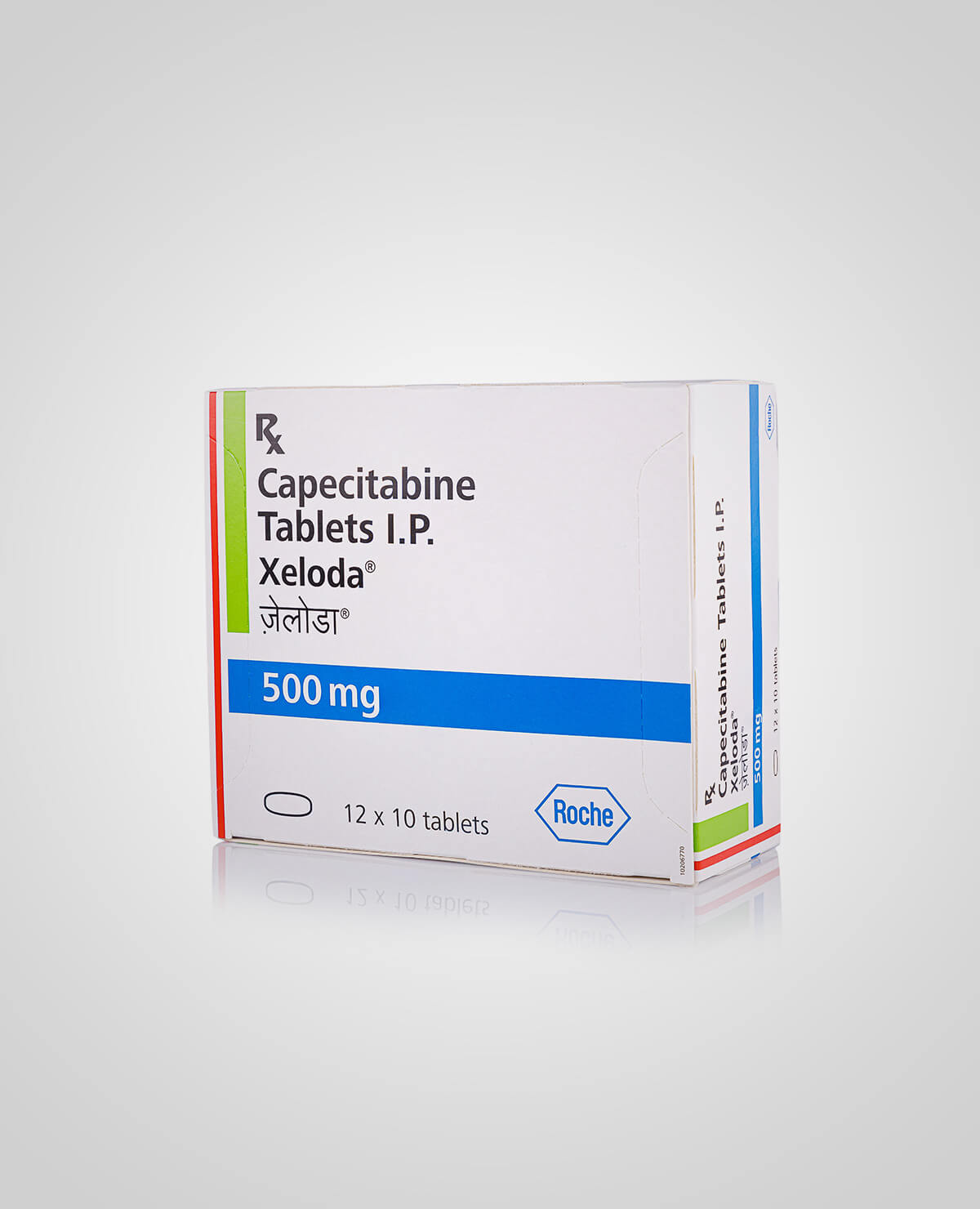
Xeloda 500mg x120 Tablets – Uses, Side Effects & Price in Nigeria
₦340,000.00
Xeloda 500mg (Capecitabine) 120 Tablets – Oral Chemotherapy for Colorectal, Gastric and Breast Cancer
Xeloda contains capecitabine, an oral chemotherapy medicine used in the treatment of colorectal cancer, gastric cancer and breast cancer. Capecitabine is a prodrug: it is inactive when swallowed and is converted into 5-fluorouracil (5-FU) inside the body, with the final conversion step concentrated in tumour tissue.
That mechanism is what makes Xeloda clinically useful in Nigeria. It delivers fluoropyrimidine chemotherapy as tablets taken at home rather than as an infusion requiring repeated day-unit attendance, which removes travel, admission and cannulation from the treatment burden for patients living far from an oncology centre.
Capecitabine is a prescription only oncology medicine with a serious side effect profile that requires supervision. HubPharm dispenses it against a valid prescription with oncology pharmacist verification, and our team briefs every patient on hand-foot syndrome and diarrhoea management before the first cycle.
Key Features
- Oral Fluoropyrimidine Chemotherapy: Taken at home as tablets rather than delivered by infusion.
- Tumour-Targeted Activation: Converted to active 5-FU preferentially within tumour tissue.
- 500mg Strength, 120 Tablets: The standard strength used to build body-surface-area dosing, supplied in a 120-tablet pack.
- Multiple Cancer Indications: Used in colorectal, gastric and breast cancer regimens, alone or in combination.
- Toxicity Counselling Included: Every patient receives written guidance on hand-foot syndrome, diarrhoea and when to stop and call.
FAQ
What is Xeloda 500mg used for?
Xeloda is used in the treatment of colorectal cancer, including adjuvant treatment after surgery for colon cancer and treatment of metastatic disease, in advanced gastric cancer, and in breast cancer either with docetaxel or on its own after previous chemotherapy.
What is the active ingredient in Xeloda?
Capecitabine, a prodrug of 5-fluorouracil.
How is Xeloda taken?
Usually twice daily, morning and evening, swallowed whole with water within 30 minutes after a meal. The standard pattern is 14 days of treatment followed by a 7-day break, making a 21-day cycle. Your exact dose is calculated from your body surface area by the oncologist, so the number of tablets per dose varies between patients.
Why must Xeloda be taken after food?
Absorption and tolerability were established in trials with dosing after meals, so taking it within 30 minutes of eating keeps you consistent with how the dose was studied and reduces stomach upset.
Can Xeloda tablets be crushed or split?
No. Swallow them whole with water. Capecitabine is cytotoxic and crushing creates a powder that others in the household could be exposed to. If swallowing is difficult, tell your oncology team.
What is hand-foot syndrome?
Palmar-plantar erythrodysaesthesia is the most characteristic side effect of capecitabine. It causes redness, swelling, tingling, dryness, peeling and pain on the palms and soles, and can become severe enough to interrupt treatment. Moisturise regularly, avoid hot water, friction, tight shoes and prolonged pressure on the hands and feet, and report early signs rather than waiting.
What should I do if I get diarrhoea on Xeloda?
Diarrhoea can become dangerous quickly. Contact your oncology team the same day if you have four or more loose stools above your normal pattern in a day, any diarrhoea at night, or diarrhoea with fever or dizziness. Treatment is often paused and restarted at a reduced dose. Do not simply push through it.
What is DPD deficiency and why does it matter?
Dihydropyrimidine dehydrogenase is the enzyme that breaks down 5-FU. People with reduced or absent DPD activity clear the drug poorly and can suffer severe, occasionally fatal toxicity from standard doses. Testing before starting a fluoropyrimidine is recommended. Ask your oncologist whether you have been assessed.
Does Xeloda interact with warfarin?
Yes, and it is a serious interaction. Capecitabine can markedly increase the effect of warfarin and the risk of bleeding. Patients on warfarin need frequent INR monitoring and often dose adjustment. Tell your oncologist and pharmacist about every medicine you take.
What other side effects should I expect?
Nausea, vomiting, mouth soreness, tiredness, loss of appetite, abdominal pain and changes in blood counts and liver tests. Report fever, sore throat or any sign of infection urgently.
What if I miss a dose?
Do not take the missed dose and do not double up. Skip it and take the next dose at the usual time, then tell your oncology team at the next contact.
How much does Xeloda 500mg cost in Nigeria?
Current pricing for the 120-tablet pack is shown above and reflects our sourcing at the time of listing. Generic capecitabine may also be available. Contact our oncology pharmacy team for current pricing, alternatives and HMO claim support.
How should Xeloda be stored?
Store below 30°C in the original pack, out of the sight and reach of children. Handle as cytotoxic medicine: others in the household should avoid handling the tablets. Return unused tablets to a pharmacy for safe destruction rather than placing them in household waste.
Do I need a prescription to buy Xeloda in Nigeria?
Yes. Xeloda is a prescription only oncology medicine. HubPharm pharmacists verify every prescription before dispensing, and your oncologist can e-prescribe directly to us.
Available on backorder
Description
Xeloda 500mg (Capecitabine) – Full Product Information
Active ingredient: Capecitabine 500mg, an oral fluoropyrimidine prodrug of 5-fluorouracil.
Presentation: Pack of 120 film-coated tablets.
Classification: Prescription only cytotoxic oncology medicine.
How Capecitabine Works
Capecitabine is absorbed intact from the gut and converted to 5-fluorouracil through three enzymatic steps. The final step is carried out by thymidine phosphorylase, an enzyme present at higher concentrations in many tumours than in healthy tissue, which concentrates the active drug where it is needed. 5-FU then disrupts DNA and RNA synthesis in dividing cells.
Monitoring During Treatment
Full blood count, renal function and liver function are checked before and during treatment. Dose is reduced in moderate renal impairment and capecitabine is not used in severe renal impairment. Patients on warfarin require close INR monitoring. DPD status should be assessed before the first cycle.
Handling and Disposal
Capecitabine is a cytotoxic medicine. The patient should handle the tablets and others should avoid direct contact with them. Store below 30°C in the original pack, out of the sight and reach of children. Return unused or expired tablets to a pharmacy for safe destruction.
Oncology Pharmacy Support
HubPharm has supported more than 800 cancer patients. Our oncology pharmacists brief every capecitabine patient on hand-foot care and diarrhoea thresholds before the first cycle, track cycle timing and prompt refills. Reach the team on WhatsApp at +234 705 050 5001 or through Afiya, available 24 hours a day.
This information is provided for general education and does not replace the advice of your oncologist. Always read the manufacturer’s leaflet supplied with your medicine.
Reviews
There are no reviews yet.