Prostate Cancer in Nigeria: Symptoms, Diagnosis and Treatment

Prostate cancer is one of the most common cancers affecting men worldwide. In Nigeria, it is a major health concern because some men discover the disease only after it has advanced.
According to the International Agency for Research on Cancer (IARC), Nigeria recorded an estimated 18,019 new prostate cancer cases in 2022. This made prostate cancer the most commonly diagnosed cancer among Nigerian men.
However, prostate cancer does not always cause symptoms in its early stages. Knowing the possible warning signs, understanding screening options and seeking medical advice promptly can help men make informed decisions about their health.
This article explains what prostate cancer is, who may be at risk, how doctors diagnose it and which treatments may be recommended.
What Is Prostate Cancer?
The prostate is a small gland found below the bladder in men. It surrounds part of the urethra, the tube that carries urine out of the body. The prostate produces fluid that forms part of semen.
Prostate cancer develops when cells in the prostate begin to grow abnormally and uncontrollably. Some prostate cancers grow slowly, while others are more aggressive and may spread to nearby tissues, lymph nodes or distant organs, including the bones.
The type and stage of the cancer help doctors decide which treatment is most suitable.
What Are the Symptoms of Prostate Cancer?
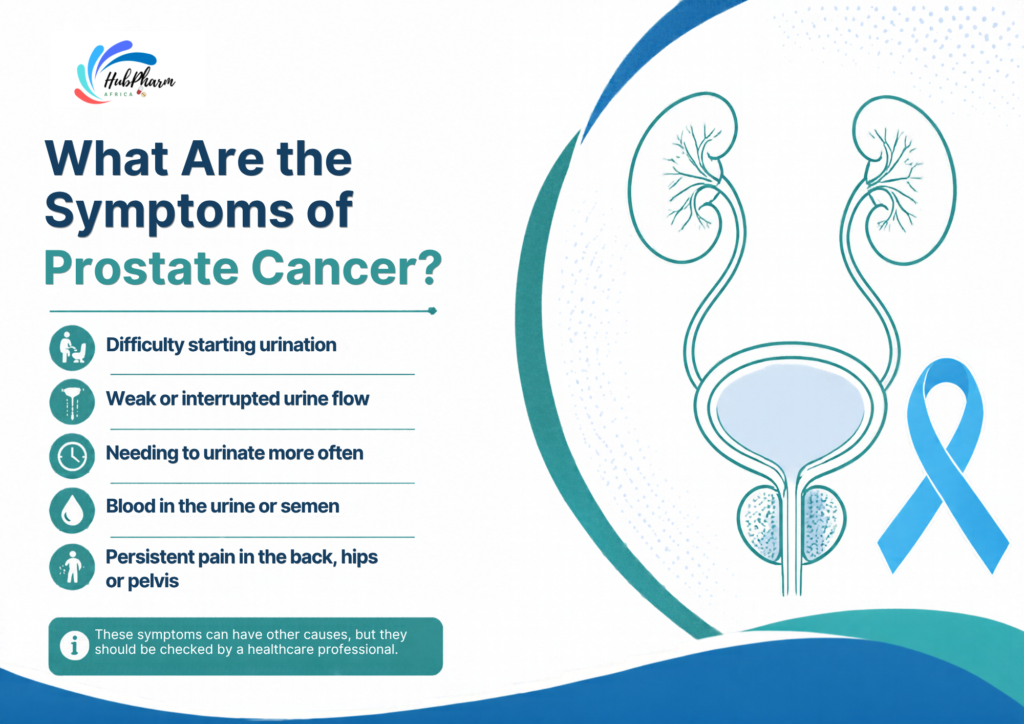
Early prostate cancer may not cause noticeable symptoms. When symptoms develop, they can resemble those caused by an enlarged prostate or other urinary conditions.
Possible symptoms include:
- Difficulty starting urination.
- A weak or interrupted urine stream.
- Frequent urination, especially at night.
- Feeling that the bladder has not emptied completely.
- Pain or burning during urination.
- Blood in the urine or semen.
- Difficulty getting or maintaining an erection.
- Persistent pain in the back, hips or pelvis.
- Unexplained weight loss, particularly in advanced disease.
These symptoms do not automatically mean someone has prostate cancer. For example, benign prostatic hyperplasia (BPH), a non-cancerous enlargement of the prostate, can also cause urinary problems.
Nevertheless, men who experience persistent or unusual symptoms should seek medical assessment rather than assume the cause.
Important: An inability to pass urine requires urgent medical attention. Severe back pain accompanied by new leg weakness, numbness around the groin or loss of bladder or bowel control also requires emergency assessment.
What Causes Prostate Cancer?
There is no single known cause of prostate cancer. The disease develops through changes in the cells of the prostate, and several factors may increase a person’s risk.
1. Increasing age
Age is one of the strongest risk factors. Prostate cancer becomes more common as men grow older, particularly after age 50.
2. Family history
A man may have a higher risk if his father, brother or son has had prostate cancer. A family history of certain other cancers, including breast and ovarian cancer, may also suggest inherited genetic risk.
3. Ancestry
Men of African ancestry experience a greater burden of prostate cancer in many populations. This makes awareness of symptoms, family history and discussions about screening especially important.
4. Inherited genetic changes
Some inherited gene changes, including changes in BRCA1, BRCA2 and certain DNA-repair genes, can increase prostate cancer risk. A specialist may recommend genetic counselling or testing in selected cases.
Can prostate cancer be prevented?
There is no guaranteed way to prevent prostate cancer. Although a balanced diet, regular physical activity and avoiding tobacco support general health, they cannot eliminate the risk.
Therefore, men should not rely on supplements, traditional remedies or lifestyle changes as substitutes for appropriate medical assessment.
How Is Prostate Cancer Diagnosed?

Doctors use a combination of medical history, examination, blood tests, imaging and, when indicated, a biopsy to assess possible prostate cancer.
1. Prostate-specific antigen (PSA) blood test
The PSA test measures the level of prostate-specific antigen in the blood. The prostate naturally produces this protein.
A raised PSA level may indicate prostate cancer. However, it can also occur with an enlarged prostate, inflammation, infection and other conditions. Some men with prostate cancer may also have PSA results that are not markedly elevated.
For this reason, a PSA result alone cannot confirm or rule out prostate cancer. A clinician must interpret it alongside other findings.
2. Digital rectal examination (DRE)
During this examination, a healthcare professional gently feels the prostate through the rectum to assess its size and check for unusual areas.
The examination may help identify changes that require further investigation. However, it cannot diagnose cancer on its own.
3. MRI and other imaging tests
A prostate MRI can help doctors identify suspicious areas and decide whether a biopsy is needed. Depending on the suspected stage, doctors may also request CT scans, bone scans or specialised PET scans to assess whether the cancer has spread.
4. Prostate biopsy
A biopsy involves collecting small samples of prostate tissue for examination under a microscope. It is the main test used to confirm prostate cancer.
If cancer is found, a pathologist grades the cells to help estimate how aggressive the disease may be. Doctors combine this information with PSA results and imaging to determine the stage and plan treatment.
Prostate Cancer Screening in Nigeria
Screening looks for possible signs of cancer before symptoms develop. The PSA blood test is the main screening test used for prostate cancer.
However, screening is not automatically beneficial for every man. PSA testing can identify cancers that might never cause serious problems, and abnormal results may lead to additional tests, anxiety and treatment-related side effects.
Men should discuss their age, family history, ancestry, general health and preferences with a qualified healthcare professional before deciding whether to undergo screening.
Men with a strong family history or other increased-risk factors may need to discuss screening earlier than men at average risk. Anyone with symptoms should seek diagnostic assessment rather than wait for a routine screening appointment.
What Are the Stages of Prostate Cancer?
The stage describes how far the cancer has spread and helps guide treatment.
- Localised prostate cancer: The cancer remains within the prostate.
- Locally advanced prostate cancer: The cancer has grown beyond the prostate or into nearby structures.
- Metastatic prostate cancer: The cancer has spread to distant parts of the body, commonly the bones or distant lymph nodes.
Doctors also consider the cancer’s grade, PSA level, overall health and other clinical findings. Two people with the same stage may therefore receive different treatment plans.
How Is Prostate Cancer Treated?

Treatment depends on the stage and aggressiveness of the cancer, the patient’s health, potential side effects and personal preferences. Not every patient needs immediate treatment.
1. Active surveillance and watchful waiting
Some prostate cancers grow slowly and may not cause serious problems for many years.
For selected men with low-risk disease, doctors may recommend active surveillance. This involves regular follow-up tests and examinations, with treatment considered if the cancer shows signs of progression.
Watchful waiting is another approach, often used when the priority is managing symptoms and maintaining quality of life rather than pursuing curative treatment.
These approaches require medical guidance and are not the same as ignoring the diagnosis.
2. Surgery
A radical prostatectomy involves removing the prostate gland and, in some cases, nearby tissues.
Doctors may recommend surgery for selected patients whose cancer has not spread extensively. Surgery can offer a chance of cure in suitable cases.
Possible side effects include urinary leakage, erectile dysfunction and changes in sexual function. Patients should discuss recovery, fertility and rehabilitation with their care team before treatment.
3. Radiotherapy
Radiotherapy uses high-energy radiation to destroy cancer cells. It may be used to treat cancer confined to the prostate or disease that has spread into nearby areas.
In some cases, doctors combine radiotherapy with hormone therapy to improve treatment outcomes.
4. Hormone therapy
Many prostate cancers rely on male hormones, particularly testosterone, to grow. Hormone therapy lowers testosterone levels or blocks its effects on cancer cells.
Doctors may recommend it for locally advanced or metastatic disease, and sometimes alongside radiotherapy for higher-risk cancers.
Treatment can cause hot flashes, fatigue, reduced sexual desire, erectile dysfunction and loss of bone strength. The care team should monitor side effects and discuss ways to manage them.
5. Chemotherapy
Chemotherapy uses medicines that destroy cancer cells or limit their growth. Doctors may recommend it for advanced prostate cancer, particularly when the disease has spread or is no longer responding adequately to certain hormone treatments.
The choice of medicine depends on the patient’s previous treatment, cancer characteristics and overall health.
6. Targeted therapy and other specialist treatments
Some prostate cancers have specific genetic changes that make them suitable for targeted medicines. For example, selected patients with particular DNA-repair gene changes may benefit from PARP inhibitors.
Other options may include immunotherapy for carefully selected cases, radiopharmaceutical treatment for certain advanced cancers, or medicines that help protect bones and manage bone-related complications.
These treatments are not appropriate for everyone. A specialist must assess the diagnosis, test results and treatment history before recommending them.
Medicines Used to Treat Prostate Cancer
The following medicines are used in certain prostate cancer treatment plans. They have different roles, and they are not interchangeable.
| Medicine | General role |
|---|---|
| Leuprolide | Lowers testosterone production as part of hormone therapy. |
| Goserelin | Reduces testosterone production and may help slow hormone-sensitive prostate cancer. |
| Bicalutamide | Blocks the action of androgens, including testosterone. |
| Abiraterone | Reduces androgen production and is used in selected advanced-disease settings. |
| Enzalutamide | Blocks androgen receptor signalling in appropriate treatment settings. |
| Docetaxel | Chemotherapy used in selected patients, including some with advanced disease. |
| Cabazitaxel | Chemotherapy that may be used in certain cases when the disease has progressed after earlier treatment. |
| Radium-223 | A radiopharmaceutical used for selected patients with prostate cancer involving the bones. |
Other medicines may be appropriate depending on the cancer’s characteristics and the patient’s treatment history.
Cancer medicines must only be used under specialist supervision. They can have serious side effects, interact with other medicines and require specific monitoring. Patients should not start, stop or change cancer treatment without discussing it with their oncology team.
The medicines listed above are examples of established treatment options. Their inclusion does not confirm current stock or availability through HubPharm Africa.
Possible Side Effects of Prostate Cancer Treatment
Side effects vary according to the treatment and the individual. Some may improve after treatment, while others may need ongoing support.
Possible effects include:
- Fatigue and reduced energy.
- Urinary leakage or irritation.
- Erectile dysfunction and changes in sexual desire.
- Hot flashes and hormonal changes.
- Nausea, changes in appetite or bowel symptoms.
- Reduced blood cell counts with certain chemotherapy medicines.
- Bone thinning during some forms of long-term hormone therapy.
Patients should report new or worsening symptoms to their healthcare team. Early support can help manage side effects, protect quality of life and prevent some complications from becoming more serious.
Living With Prostate Cancer
A prostate cancer diagnosis can affect physical health, relationships, work and emotional wellbeing. Support from family, healthcare professionals and appropriate patient support services can make treatment easier to manage.
Patients may find it helpful to:
- Attend scheduled appointments and recommended follow-up tests.
- Keep a current list of medicines and supplements.
- Ask their care team about the purpose and possible side effects of each treatment.
- Discuss urinary, sexual health, fertility or emotional concerns openly.
- Maintain suitable physical activity and a balanced diet, as advised by their healthcare team.
- Ask about financial support, insurance coverage and treatment costs before starting a treatment plan.
Importantly, patients should tell their healthcare team about any traditional remedies or supplements they use. Some products can interact with cancer medicines or affect treatment safety.
How HubPharm Africa Can Support Patients With Prostate Cancer
Managing cancer treatment can involve more than obtaining medicines. Patients and caregivers may also need support with prescriptions, medication information, refill planning and questions about treatment-related side effects.
HubPharm Africa is a digital pharmacy focused on helping patients access genuine medicines and receive pharmacy support. For people managing prostate cancer, its team can help with medicine-related questions and review prescriptions as appropriate.
Support may include:
- Prescription guidance: Helping patients understand their prescribed medicines and how to discuss concerns with their healthcare team.
- Medication management: Providing support with medicine schedules, refill planning and questions about potential interactions.
- Pharmacist support: Helping patients understand medicine precautions and when to seek advice from their oncology team.
- Medicine enquiries: Responding to enquiries about prescribed cancer medicines, subject to prescription requirements, regulatory rules and confirmed availability.
HubPharm does not replace an oncologist or urologist. Treatment decisions, cancer monitoring and changes to therapy must remain under the care of qualified healthcare professionals.
To ask a pharmacist a medicine-related question, contact HubPharm Africa on WhatsApp.
Getting Help in Nigeria
If you or a family member has possible symptoms of prostate cancer, arrange an assessment with a qualified healthcare professional. Depending on the findings, you may need referral to a urologist, oncologist or another specialist.
If a diagnosis has already been confirmed, ask your care team to explain the stage, treatment goals, expected side effects and follow-up plan. It is reasonable to ask about alternative treatment options, costs and the availability of prescribed medicines.
Where access to specialist services is difficult, start by seeking advice from a recognised hospital or healthcare provider who can guide you towards appropriate diagnostic and cancer care services.
Do not delay assessment because symptoms seem mild. Early prostate cancer may not cause obvious symptoms, and urinary changes can have several possible causes.
Frequently Asked Questions About Prostate Cancer
1. What are the first signs of prostate cancer?
Early prostate cancer often causes no symptoms. When symptoms occur, they may include difficulty urinating, a weak urine stream, frequent urination at night or blood in the urine or semen. These signs can also result from other prostate conditions, so medical assessment is important.
2. Can prostate cancer be cured?
Some prostate cancers that are diagnosed before they spread can be treated with the aim of cure. For advanced disease, treatment may focus on controlling cancer growth, relieving symptoms and helping the patient live longer. The outlook depends on the stage, cancer grade and other individual factors.
3. Does an elevated PSA level mean a man has cancer?
No. PSA levels can rise because of an enlarged prostate, inflammation, infection and other factors. Doctors interpret PSA results alongside symptoms, examination findings and other tests. A biopsy may be needed to confirm the diagnosis.
4. At what age should men consider prostate cancer screening?
There is no single age that is right for every man. Men should discuss the possible benefits and risks of PSA testing with a healthcare professional, taking age, family history and other risk factors into account. Men with a higher risk may need to discuss testing earlier.
5. What medicines are used to treat prostate cancer?
Treatment may include medicines such as leuprolide, goserelin, bicalutamide, abiraterone, enzalutamide, docetaxel or cabazitaxel. The appropriate choice depends on the cancer’s stage, biology and previous treatments. These medicines require specialist supervision.
6. Can prostate cancer spread to other parts of the body?
Yes. Advanced prostate cancer can spread to areas such as the bones and distant lymph nodes. Doctors use imaging and other tests to determine whether the cancer has spread and to select an appropriate treatment plan.
7. Can HubPharm Africa help with prostate cancer medicines?
HubPharm can assist with prescription-related enquiries and pharmacist support. Specific medicines are subject to prescription requirements, regulatory rules and confirmed availability. Contact the pharmacy directly to ask about a particular prescribed medicine.
Conclusion
Prostate cancer is a significant health concern in Nigeria, but understanding the warning signs and seeking appropriate medical advice can help men make informed decisions.
Because early disease may not cause symptoms, men should discuss their individual risk and screening options with a qualified healthcare professional. If prostate cancer is diagnosed, treatment may include monitoring, surgery, radiotherapy, hormone therapy, chemotherapy or targeted treatment.
With specialist care, appropriate medicine management and ongoing support, patients can better understand their options and manage their treatment journey.
Need help with a prescribed prostate cancer medicine? Speak with a HubPharm Africa pharmacist on WhatsApp.
Medical Disclaimer
This article is for general educational purposes only. It does not replace a medical consultation, diagnosis or treatment plan. Symptoms and test results must be assessed by a qualified healthcare professional. Cancer medicines should only be used under appropriate specialist supervision.
References
- International Agency for Research on Cancer (IARC). Nigeria Fact Sheet — Global Cancer Observatory, GLOBOCAN 2022.
- National Cancer Institute (NCI). Prostate Cancer Treatment — Patient Version.
- Centers for Disease Control and Prevention (CDC). Symptoms of Prostate Cancer.
- Centers for Disease Control and Prevention (CDC). Diagnosing Prostate Cancer.
- Centers for Disease Control and Prevention (CDC). Prostate Cancer Screening.
- National Health Service (NHS). Symptoms of Prostate Cancer.
- National Health Service (NHS). Treatment for Prostate Cancer.
- National Cancer Institute (NCI). Drugs Approved for Prostate Cancer.